



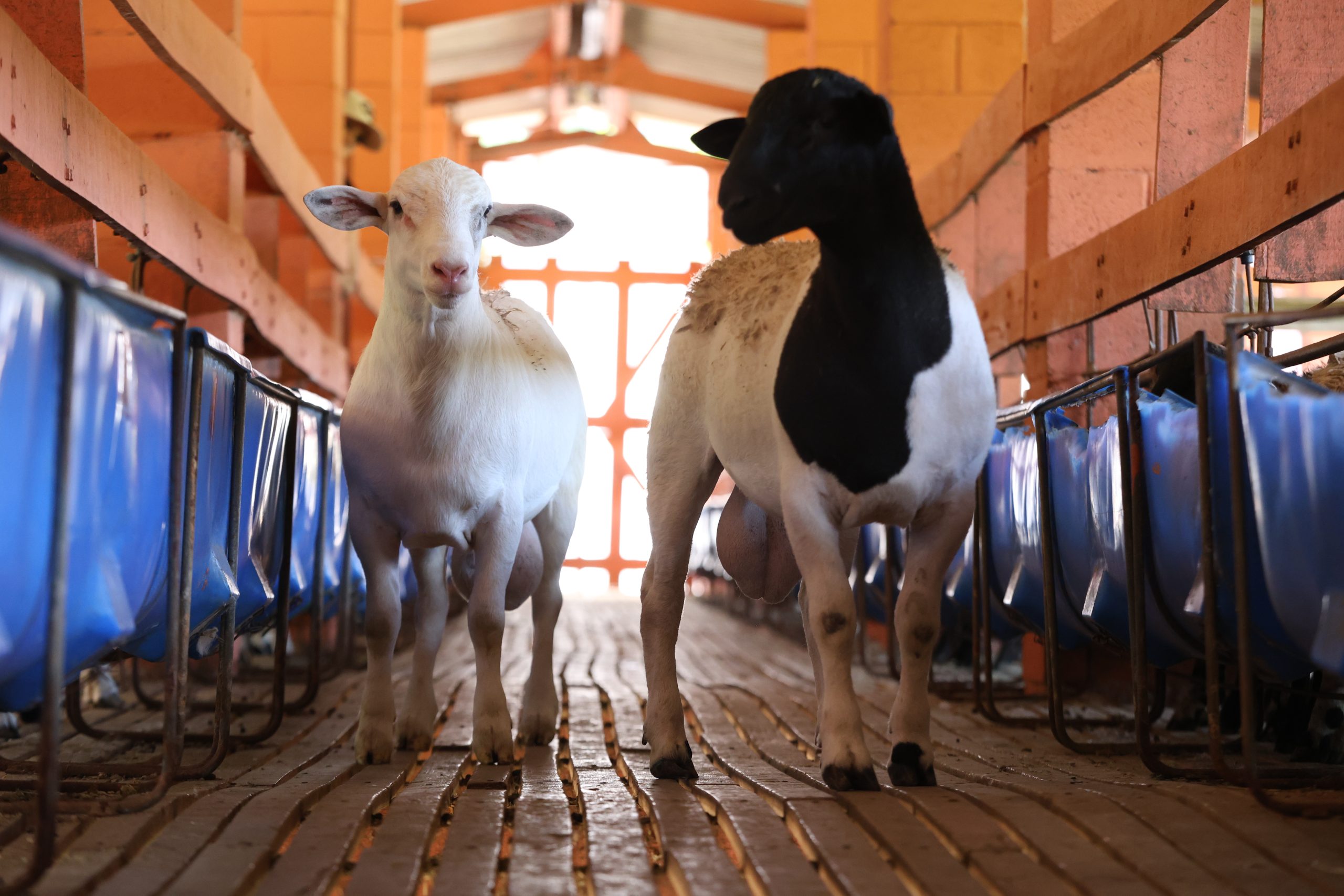
São Paulo – Brazilian food processor VPJ obtained halal certification in September last year and plans to begin exporting to Islamic countries by the end of 2026. The company has the capacity to slaughter 12,000 sheep per year and intends to export all of its production.
According to VPJ’s export supervisor, Beatriz Menaldo, obtaining certification was a need that arose from clients themselves. With this demand, the company began the halal certification process in early 2025. According to Menaldo, VPJ’s plant in Jundiaí, São Paulo state, is dedicated exclusively to sheep meat processing, which facilitated the certification process.
“We already have several certifications for our products, and when we saw that halal certification could help us reach a larger market, we pursued it in order to add value to our product and reach an audience we had not yet reached,” she said.

“The plant was already highly compliant. We obtained the certification smoothly. We did have to invest in training staff across the board—the entire team involved in the halal process,” he said, referring to training on cultural requirements. Halal products are those that can be consumed by Muslims and ensure they contain no traces of prohibited items, such as pork or alcohol.
VPJ also works with pork and beef, but these are processed at another company facility in the city of Pirassununga, also in the state of São Paulo. Lamb production is expected to be fully dedicated to exports as overseas sales grow. VPJ’s target markets for lamb are Gulf countries such as Saudi Arabia, Qatar, Bahrain, and the United Arab Emirates, as well as North Africa. Potential clients in Egypt and Morocco, the export supervisor said, have already shown interest in the product.
Although most of Brazil’s sheep production consists of Santa Inês animals concentrated in the country’s Northeast, the animals supplied to VPJ come mainly from producers in southeastern states São Paulo and Minas Gerais and are of the Dorper breed—a cross between the South African Dorset Horn and the Iranian Blackhead Persian. According to Menaldo, this breed yields higher carcass output and better-quality meat—more tender and flavorful—meeting the demands of Gulf markets. Initially, demand from Islamic clients is for whole carcasses to be processed in the destination countries. The company, however, also offers higher value-added cuts.
“We’re able to reach the most demanding markets because it’s a premium product. So we work with Dorper lamb. It’s extremely high-quality meat, with marbling, juiciness, and a certain tenderness. It’s a product that stands out from what the market usually offers,” he said.
Read more:
Brazil’s Ceará invests in halal goat, sheep meat
Translated by Guilherme Miranda
