



São Paulo – The conflict in Iran continues to cause economic and infrastructure losses across the Middle East, as well as global pressure on aluminum prices. The commodity’s prices opened higher on Monday (30) following Iranian attacks on production facilities in Bahrain and the United Arab Emirates.
According to Agence France-Presse, prices rose 4.2% to USD 3,400 per metric ton following two Iranian attacks over the weekend. On Saturday (28), drones from the country struck a facility of Bahrain’s Alba, one of the world’s leading aluminum producers.
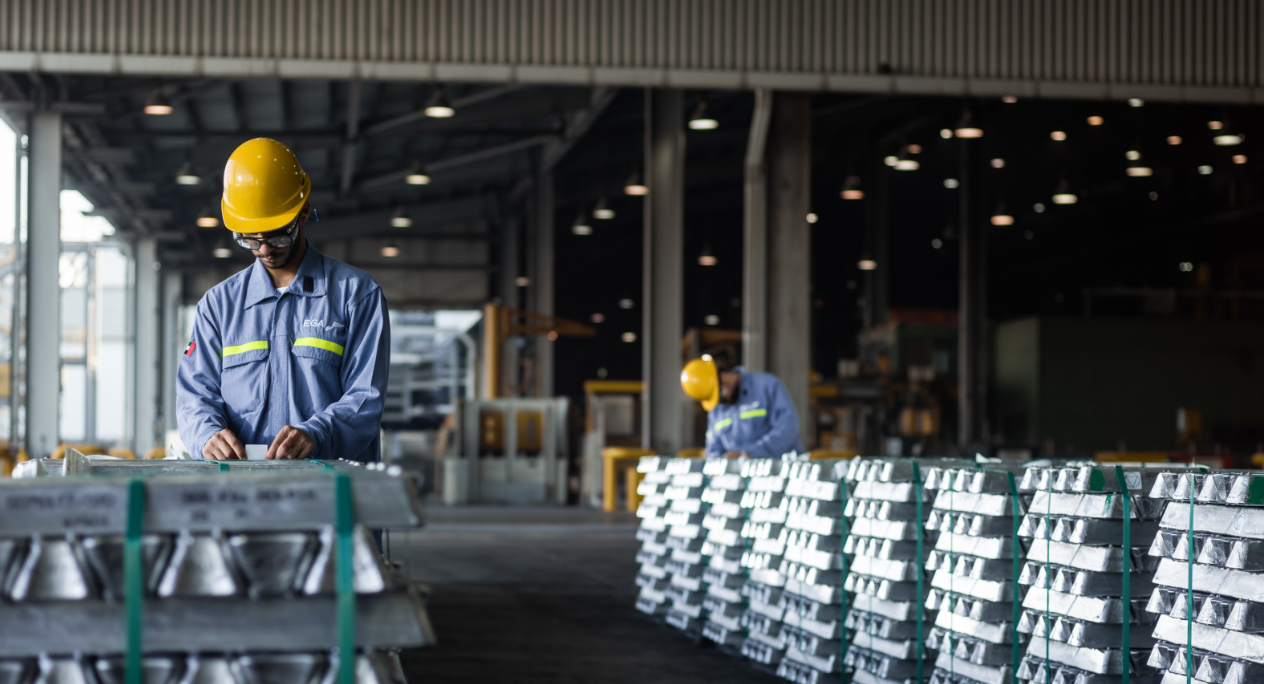
On the same day, UAE’s EGA’s Al Taweela facility was also hit by Iranian drones and sustained “significant damage.” Six employees were injured in the attack. The company said it produced 1.6 million tons of aluminum in 2025 and holds a “substantial” stock of the metal at its facilities inside and outside the UAE.
Water supply infrastructure has also become a target of Iran. On Monday (30), a power generation and desalination plant in Kuwait was bombed in an attack that left one person dead, described by the Ministry of Electricity, Water and Renewable Energy as a “brutal attack.” Gulf countries obtain much of their fresh water from desalinating seawater.
Also on Monday, oil prices rose again. The Brent crude benchmark opened at USD 116.50 per barrel and remained above USD 114 in the morning, up 2.07%. WTI, the U.S. benchmark, was trading at USD 101.30, up 1.6%.
Commodity prices were pressured in international markets by uncertainty and conflicting signals from parties to the conflict over the closure of the Strait of Hormuz and the continuation or end of the attacks.
Since February 28, the United States and Israel have been attacking Iran, which, in retaliation, has targeted infrastructure facilities in Arab Gulf countries as well as military bases. Last week, U.S. President Donald Trump said he would not strike energy production facilities amid negotiations with Iran to end the conflict.
The bombings have not ceased, and on Monday, Trump again threatened Iran with strikes on energy facilities if the country does not allow the Strait of Hormuz to reopen. Around 20% of the world’s oil and liquefied gas passes through this shipping route.
*With information from AFP
Read more:
Egypt seeks to reduce energy consumption
Reproduction of this content is prohibited
Translated by Guilherme Miranda

