



São Paulo – The Arabs occupied Spain from 711 to 1492. During this period of almost 800 years, they left their marks on the country’s culture, vocabulary, architecture, and dancing. This history and influence are the subject of the mini-course Los árabes en España (The Arabs in Spain), due next Friday (30th) at São Paulo’s Cervantes Institute.
“It was a fascinating period in history, since three cultures were coexisting. The Muslims had respect for their enemies, both the Jews and the Christians,” explains the professor Serafina Vallejo Gómez, who will administer the course.
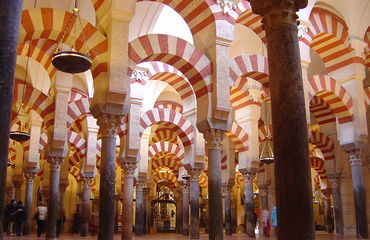
Andalusia is the region that has retained the strongest Arab influence until this day. In some of the cities, Vallejo notes, they left behind major architectural landmarks, such as the Cordoba Mosque, Granada’s Alhambra and the Giralda in Seville.
“The Cordoba Mosque boasts architectural features that were nowhere to be found (in the region),” the professor explains. Andalusian houses have also retained the inner patio, a traditional characteristic of Arab buildings.
Spanish language has incorporated significant leftovers from Arab presence. “One-quarter of the Spanish language is of Arabic origin. Words like berenjena (eggplant), naranja (orange), alfombra (carpet), almohada (pillow) and all words starting with “al” in Spanish,” says Vallejo. She also notes that the Roman numerical system formerly used in Spain was replaced with the Arab system.
At the height of the Middle Age, Arab occupation in Spain changed the habits of the local population. “In Andalusia, the women wore perfume, there was a cosmetics and oils industry, something otherwise unthinkable in Medieval Europe,” claims Vallejo. Traditional Spanish dance is yet another cultural element strongly marked by the Arabs. “The influence is there in flamenco dancing, in the rhythms, the instruments, and the Arab style of singing,” the professor explains.
Service
Los árabes en España (The Arabs in Spain)
May 30th from 6:00 pm to 8:00 pm
Cervantes Institute in São Paulo
Avenida Paulista, 2439 – São Paulo
Price: R$ 55 (US$ 24.5)
Entry form: http://migre.me/jr6CR
The course is open to the public and will be taught in Spanish
*Translated by Gabriel Pomerancblum

