



São Paulo – The story of Muslims and their daily lives in Brazil will be the topic of a series of lectures on August 18th, 20th, 21st and 22nd at the Research and Training Center of the Social Service for Trade (Sesc, in the Portuguese acronym) in the city of São Paulo. The meetings will present lectures with specialists and researchers on the topic such as the president of the Institute for Arab Culture (Icarabe), Salem Nasser, the author of a book on Arab immigration, Samira Osman, and the Ph.D on Social History, Renatho Costa.
The programming will open on August 18th with an introduction to the Muslim world and the history of the Islamic religion, from its emergence to its different schools of thought and a general vision of the contemporary Muslim world within the current political environment. The one presenting it will be Nasser, who is also a doctorate on International law at University of São Paulo (USP) and a professor at Fundação Getulio Vargas’ Law School.
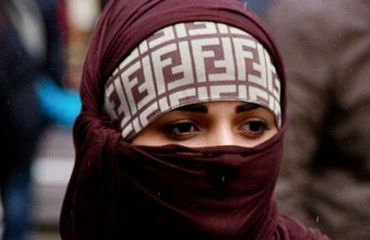
The lecture on August 20th will talk about Muslim women. Samira will discuss how the media portrays them in Brazil, a lot of time with a feeling of compassion and a submission image. She is a Asian History professor at São Paulo Federal University (Unifesp), researcher on Middle East History, Islamism and Arab immigration an author of the book “Arab Immigration in Brazil: oral history of Muslim and Christian Lebanese”.
On the same day, two Muslim women will talk about their personal stories: Sarah Ghuraba, drama and Islamic teachings teacher and a student of the Portuguese language, and Érica Renata, a major in Languages, storyteller and a speaker on religious tolerance.
On August 21st, Renatho Costa will speak on Arab immigration in Brazil and its relation with the conflicts in the Middle East such as the one related to the creation of the Arab states, the emergence of Israel, and Lebanese Civil War, among others. On the last day, a visit to Mesquita Brasil, led by Sarah Ghuraba, is scheduled.
“We tend to think that Brazil is extremely tolerant. This is false”, says Dulci Lima, Social and Human Sciences researcher of the Research and Training Center of Sesc-SP. The center promotes a series of debates on gender, religious and race matters and also promotes its own researches.
The idea for the series of lectures came from the perception of this prejudice against the Muslims by the center’s researcher. The goal of the meetings is to show who the Muslim in Brazil are and how they live, from the oldest ones, like the Brazilians that converted to the religion, to the immigrants that arrived in the country recently. “Their daily lives, the confrontations that they have to deal with in this pseudo-tolerant country”, said Lima to ANBA.
Service
Series of lectures "Stories and daily lives of Muslims in Brazil"
August 18th, 20th, 21st and 22nd (on weekdays from 10:30 AM to 1 PM, and on Saturdays from 10 AM to 1 PM).
Research and training Center – Sesc-SP
Rua Dr. Plínio Barreto, 285 – 4º andar – Bela Vista – São Paulo – SP
Prices: R$ 18 (US$ 5.1) for workers of commerce, services and tourism enrolled at Sesc and their dependents), R$ 30 (US$ 8.5) for people older than 60 years, people with disabilities, students and teachers from public school and R$ 60 (US$ 17.2) for full price.
Registrations: http://centrodepesquisaeformacao.sescsp.org.br/atividade/trajetorias-e-cotidiano-de-muculmanos-no-brasil
*Translated by Sérgio Kakitani

