



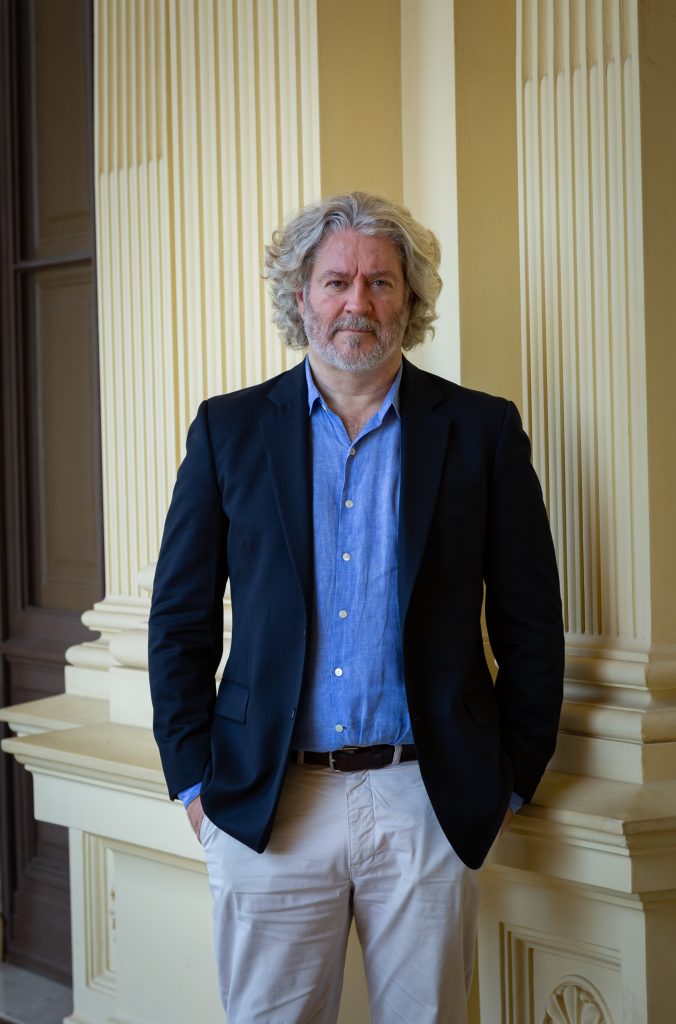
São Paulo – Brazil’s history is closely tied to the presence of immigrants, but official spaces of memory have not always reflected this importance. For decades, the Museu Paulista (which encompasses the Museu do Ipiranga and the Museu Republicano de Itu), now part of the University of São Paulo (USP) and operating as a research and cultural center, focused its narratives on the colonial and Portuguese aristocracy. “The profile of the museum’s collection, throughout most of the 20th century, was extremely selective and therefore highly exclusionary. It was only in the early 1990s that it ceased to be a memorial to the elites of the colonial period, the Empire, and the First Republic, and became an institution that seeks to narrate how this country was formed,” explains historian and museum director Paulo Garcez Marins. “That’s why the inclusion of pieces from the Jafet family in the collection is so important, in a broader sense that goes beyond their own connection to the Ipiranga neighborhood.”
The presence of these objects in the collection carries a significance far beyond the mere acquisition of pieces—it represents political and social recognition. “Brazil has the largest Lebanese diaspora in the world, with a population of descendants twice the size of Lebanon’s own population. But despite this numerical and economic strength, ‘symbolic ascension’—the right to be represented in a museum that narrates the formation of the nation—was a space that had to be conquered. And the Jafets, with their historic industrial activity in the Ipiranga neighborhood, were pioneers in occupying that space,” Marins said.
The pieces, donated in three stages by descendants of Nami, Benjamin, Basílio, and João Jafet, reflect the family’s sophistication and show how historical interest can turn what seems trivial into a treasure. Marins explains that the museum was originally approached by the heirs to receive an opulent dining room with Chinese motifs from the former home of Benjamin Jafet. However, the property’s buyer claimed the set was part of the mansion and did not allow it to be removed. “So the donation took a different path: the family gave us materials documenting everyday life at the time, such as photo albums, menus from international cruises, and a collection of appliance manuals they had carefully preserved over decades,” he says. “Seventy years ago, these items were a luxury exclusive to wealthy families. What might seem like old paper became a valuable record of home electrification and the rise of a new lifestyle among São Paulo’s immigrant elite.”
And the Jafets, with their historic industrial activity in the Ipiranga neighborhood, were pioneers in occupying that space.
Paulo Garcez Marins
The first donation includes photographic sets from the family’s many trips to Europe and the United States, as well as less obvious destinations, along with images of family gatherings and records of workplaces and the patriarch’s trajectory. The hundreds of images arrived in 11 original cases containing slides, 19 albums, and two films, as well as 43 items including clothing, accessories, furniture, audiovisual equipment, office supplies, and 26 folders with tourist brochures, Rotary Club materials, cultural programs, appliance manuals, magazines, newspaper clippings, and a collection of 16mm films documenting events such as silver wedding anniversaries and a funeral.
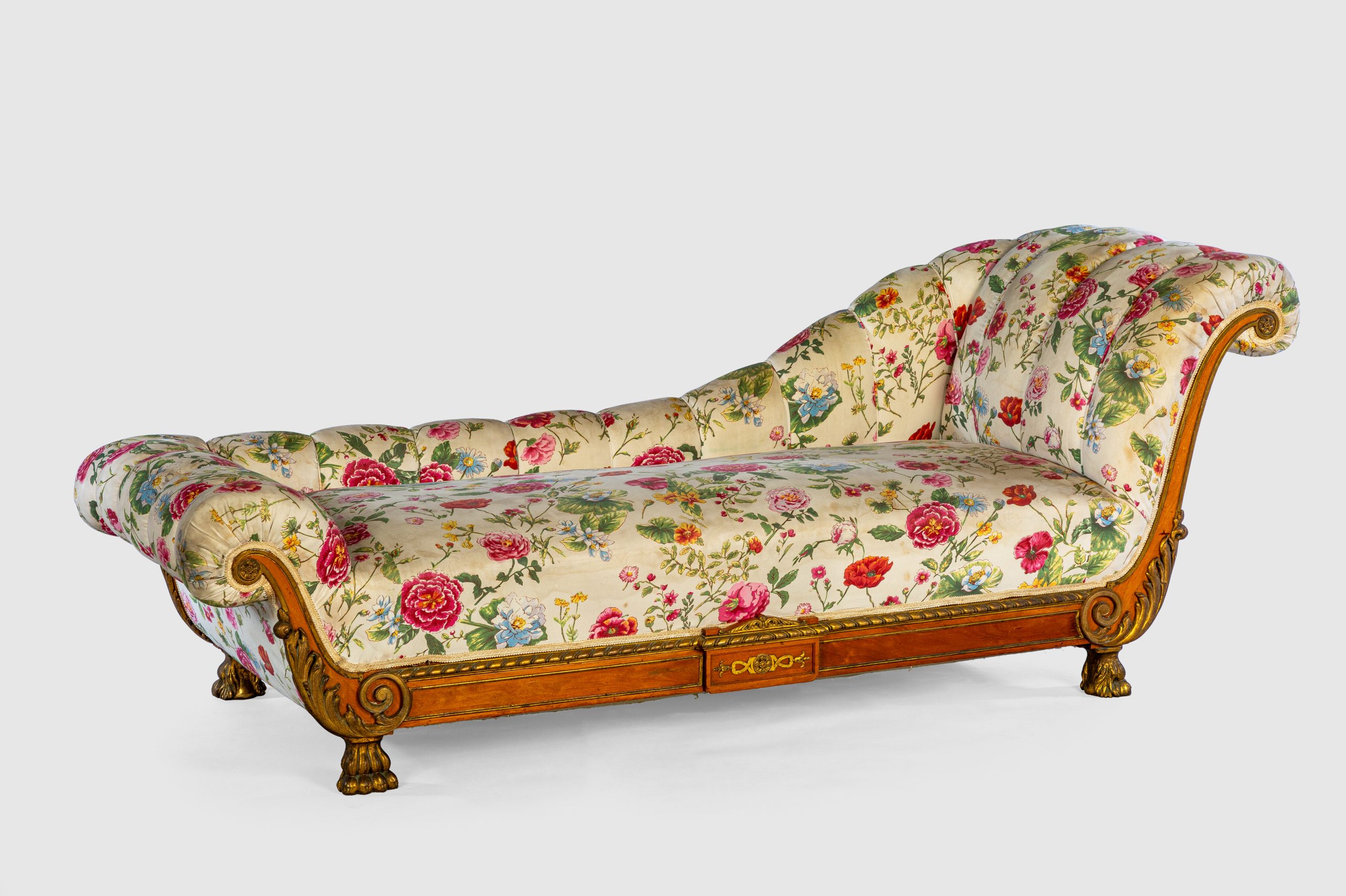
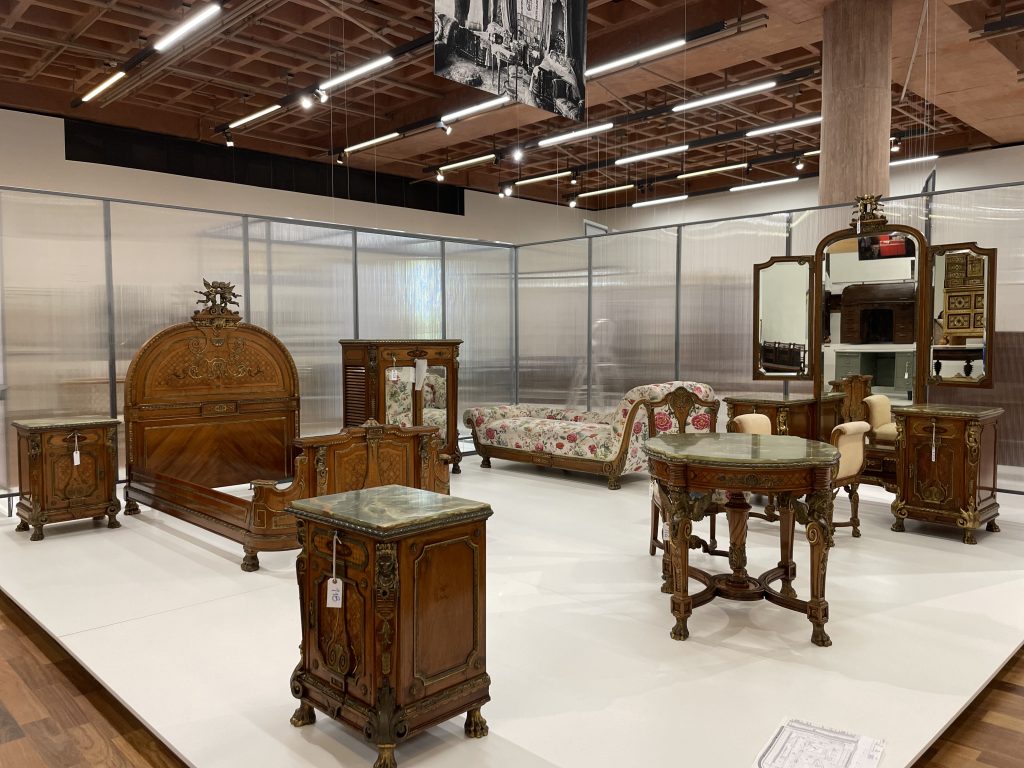
Among the highlights of the collection are 14 large, heavy pieces of furniture produced in the early 20th century by the Liceu de Artes e Ofícios, which made up Dona Violeta Jafet’s suite and were delivered to the museum in the third donation. “Although there are 14 pieces, we did not receive the complete set. It’s important to remember that, at the time, the concept of a suite was broader, encompassing a bedroom, dressing room, a small sitting room, and a bathroom,” the professor explains. The historical value of this group is reinforced by its link to the first donation: the furniture appears in the family’s photographs.
There are albums featuring images of the Palacete dos Cedros, the residence of Basílio and Adma Jafet, whose name pays homage to Lebanon’s national symbol. “This document is very interesting because it shows the house, with rooms decorated with furniture inspired by French and Italian styles, but also with many cushions on the floor, which is a striking feature of Arab culture.”
According to Marins, this material made it possible to precisely document the family’s integration into São Paulo’s elite, not only through the construction of more than ten mansions, but also through records of their highly opulent interiors and their travels. “Even the ship menus alone reveal the lifestyle they maintained.”
The collection also includes Basílio Jafet’s funeral albums, with clippings from national and international newspapers reporting his death and attesting to the businessman’s prestige.
Beyond the furniture and iconography that reveal the family’s private life, there is also a vast collection of decorations and medals awarded to Basílio Jafet, as well as a bust sculpted in Carrara marble by master Caetano Fraccaroli, commissioned to immortalize the patriarch’s leadership. These items were part of the second donation. “They are objects that attest to the family’s notoriety and public influence.”
The collection is currently kept in the technical reserve of the Museu do Ipiranga, with no public access but available to researchers. In 2024, the temporary exhibition “Sentar, guardar, dormir: Museu da Casa Brasileira e Museu Paulista em diálogo” showcased 165 pieces of furniture from the past 400 years, including items from Dona Violeta Jafet’s suite.
Read also:
Exhibit features mathematics of Andalusia
Report by Paula Medeiros, in collaboration with ANBA
Translated by Guilherme Miranda
