



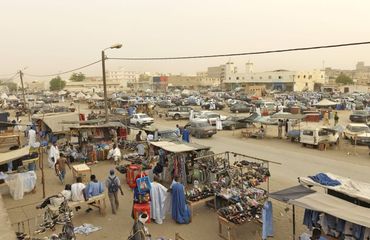
São Paulo – Highly dependent on mining revenues, Mauritania was affected by falling commodity prices in 2015. The conclusion is from the International Monetary Fund (IMF) and was released on Monday evening (22) after an IMF team met with local authorities in the North African country’s capital Nouakchott. The team spent from the 8th to last Monday in the country.
Team chief Vera Martin said Mauritania saw revenues dwindle last year as the prices of iron ore and other mining products fell, weighing down on earnings with exploration and exports. Nevertheless, she noted that authorities have been able to cushion the impact of falling revenues by using financial buffers accrued in previous years, controlling government spending and allowing for exchange rate flexibility.
However, the measures were not enough to counter negative effects on the country’s economy. The Gross Domestic Product (GDP), which had grown 6.6% in 2014, was up 2% last year, as per IMF estimates. The Fund expects Mauritania’s GDP to widen 4.2% this year, on the back of a mining industry rebound.
Total production in the country was not the only aspect to take a hit from falling revenues, according to the IMF. Public debt reached 93% of GDP and the current account deficit widened. Although the banking system remains well capitalized and liquid, the sector weakened and is now more vulnerable to crises, according to an IMF press release.
The medium- to long-term solution offered by the IMF is to diversify the economy, promoting inclusive growth and restraining current expenditures. ““Mauritania can achieve its medium term goals of becoming more prosperous, more diversified and less dependent on commodity cycles despite the uncertain global economic environment. Implementing policies in this direction would require close policy coordination. Strengthening policy formulation, transparency and governance will reduce uncertainties, help anchor expectations and enhance the credibility of macroeconomic policies, Martin said in the press statement.
*Translated by Gabriel Pomerancblum

