



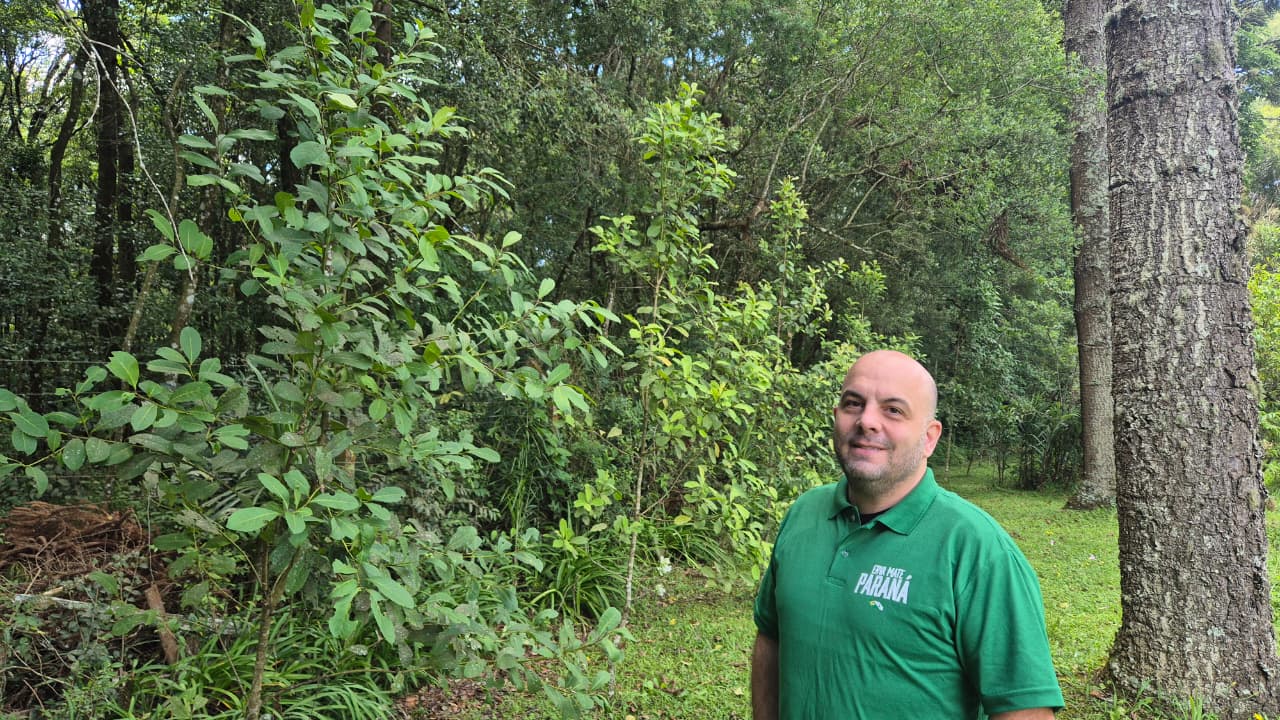
São Paulo – Founded in 2016 by Danilo Richartz Benke, Erva Mate Paraná has taken its yerba mate–based products to more than 30 countries, including the Arab markets of Lebanon, the United Arab Emirates, Syria and Egypt. Its first export to the region came after the company took part in the Gulfood food fair in Dubai, UAE, in the same year it was founded.
“After a year of negotiations with a contact there, we began exporting to Dubai, and that business continued until 2021. In the same period, we managed to sell to Egypt, Lebanon and Syria. We stopped exporting five years ago because we lost our contact,” Benke recalls.
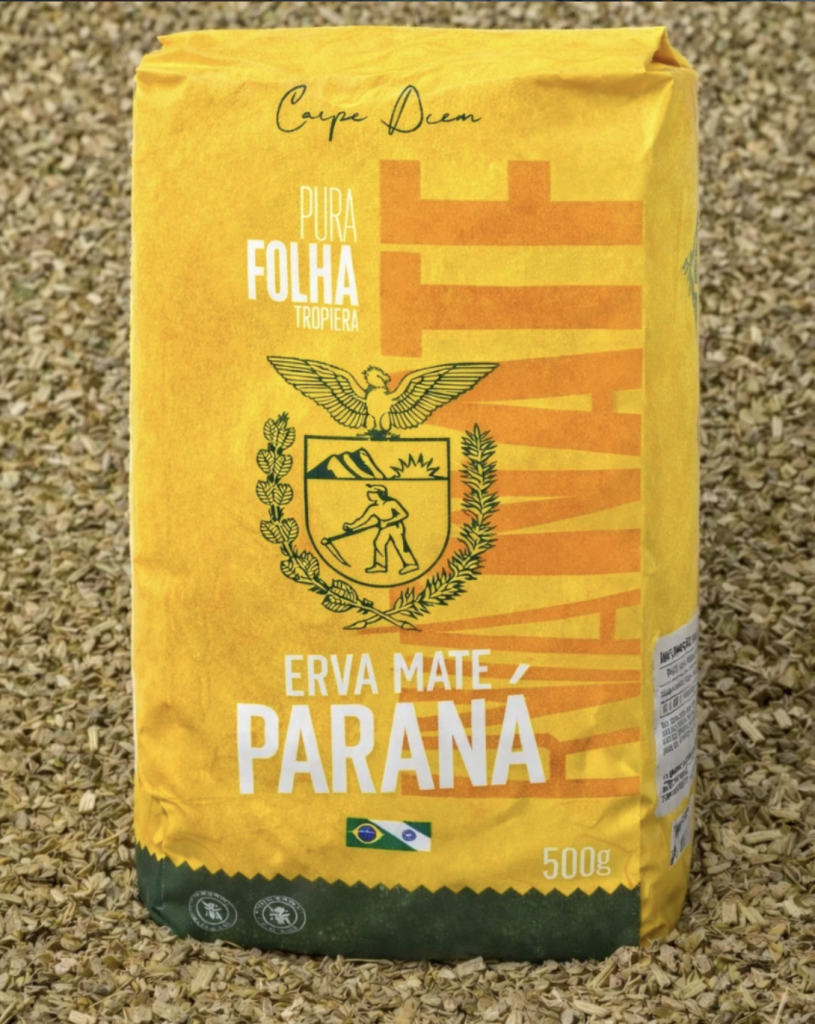
Despite this, the entrepreneur still sees strong potential in the Arab market due to cultural affinity with the Brazilian product and the Middle East’s tradition of drinking tea.
He notes that the conflict currently unfolding in the region affects logistics but does not prevent supplying that market.
“Conflicts in the Arab world can, at times, create logistical and commercial instability, affecting timelines, costs and business predictability. Even so, experience shows that, even when a conflict is prolonged, the market tends to gradually reorganize. Over time, trade flows usually return to levels close to previous ones, albeit with operational adjustments,” he told ANBA.
In its previous experience with the Arab market, the Brazil-based company made adaptations to meet local tastes. “During the export period to the region, we developed a specific standard of aged yerba mate, with cutting and flavor characteristics tailored to consumer preferences,” he said.
Benke explains that one of the main challenges in resuming business with Arab markets is competition from other brands.
“Arab League countries consume a lot of tea and mate, but they have had their suppliers for many years. So for us to enter, it’s usually because another company ran into problems, lowered quality or did something wrong,” the businessman explains.
“My idea is to resume participation in international trade fairs and return to Gulfood in Dubai in the coming years to seek new business partners in the region.”
In the latest edition, the company’s products and catalogs were taken to the fair by Paraná state industry group Fiep, which exhibited alongside Invest Paraná and Ocepar, in an initiative that also had the support of the Arab-Brazilian Chamber of Commerce (ABCC).
Arab roots
Of Lebanese descent on his father’s side, Benke grew up watching his father and grandfather drink chimarrão at home. The habit sparked his interest in the product, which years later would become the focus of his career. “I already had that reference at home. My father and my grandfather drank chimarrão, so mate was always part of my routine,” he says.
Despite this connection to the drink, his professional path began in another field. Trained as a civil engineer, he decided while still in college not to pursue the profession. In search of new directions, he entered foreign trade, initially at companies in other sectors and later at a large yerba mate company.
“This connection with the segment rekindled the passion I had for the drink since childhood. I spent years working at companies in this market while developing the idea of starting my own business,” Benke recalls.
Beyond chimarrão
The company, founded in Curitiba 10 years ago, now produces more than 20 items derived from the plant, including yerba mate for traditional chimarrão, yerba mate in the Uruguayan style—known as aged mate—and teas made from toasted leaves.
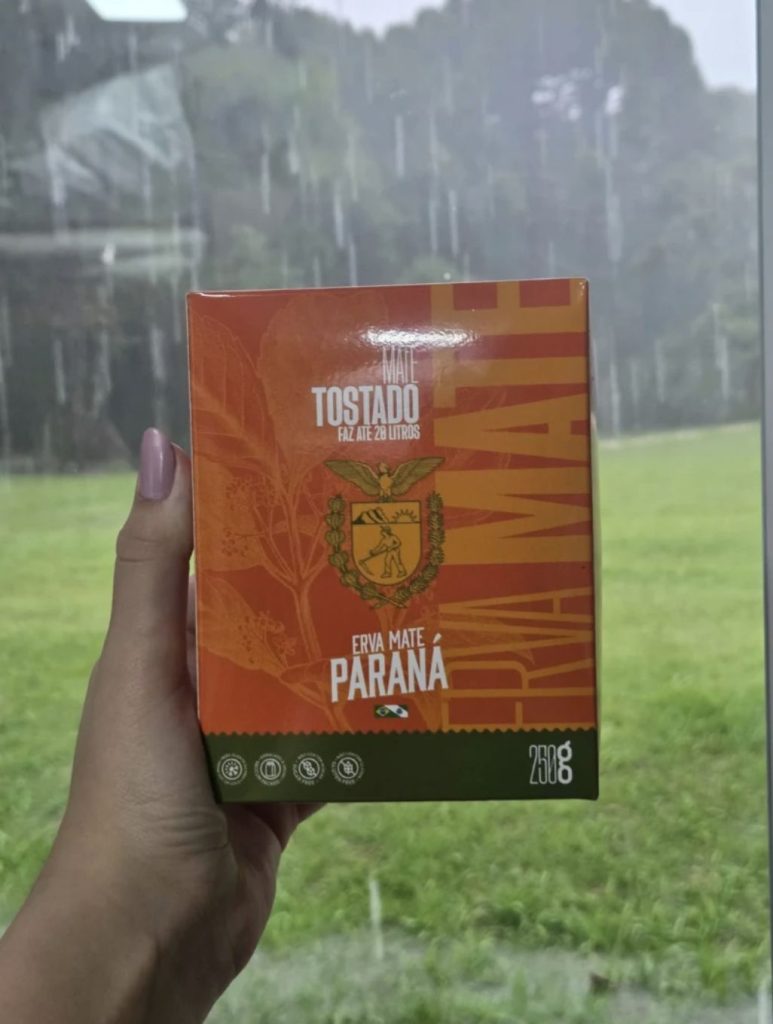
“I wanted to expand the consumption of yerba mate beyond the traditional gourd, popular in southern Brazil. I wanted to show that the same plant can produce different products, such as hot or iced teas, that connect with the global beverage market,” the businessman explains.
This diversification has allowed the brand to reach consumers in different countries. Among the main destinations for the Brazilian company’s products are Australia, Switzerland and Canada. With a focus on exports in 2024 and 2025, international sales grew by approximately 30%.
“In 2020, the year of the pandemic, I saw my domestic sales drop by 95%, so I decided to invest in foreign clients. To do that, I started taking part in talks and virtual meetings and sought support from institutions such as Apex (the Brazilian Trade and Investment Promotion Agency) to reach other markets. Today, about 40% of production is destined for export,” Benke concludes.
Read also:
Saudi Arabia opens yerba mate market to Brazil
Report by Rebecca Vettore, in collaboration with ANBA
Translated by Guilherme Miranda
