



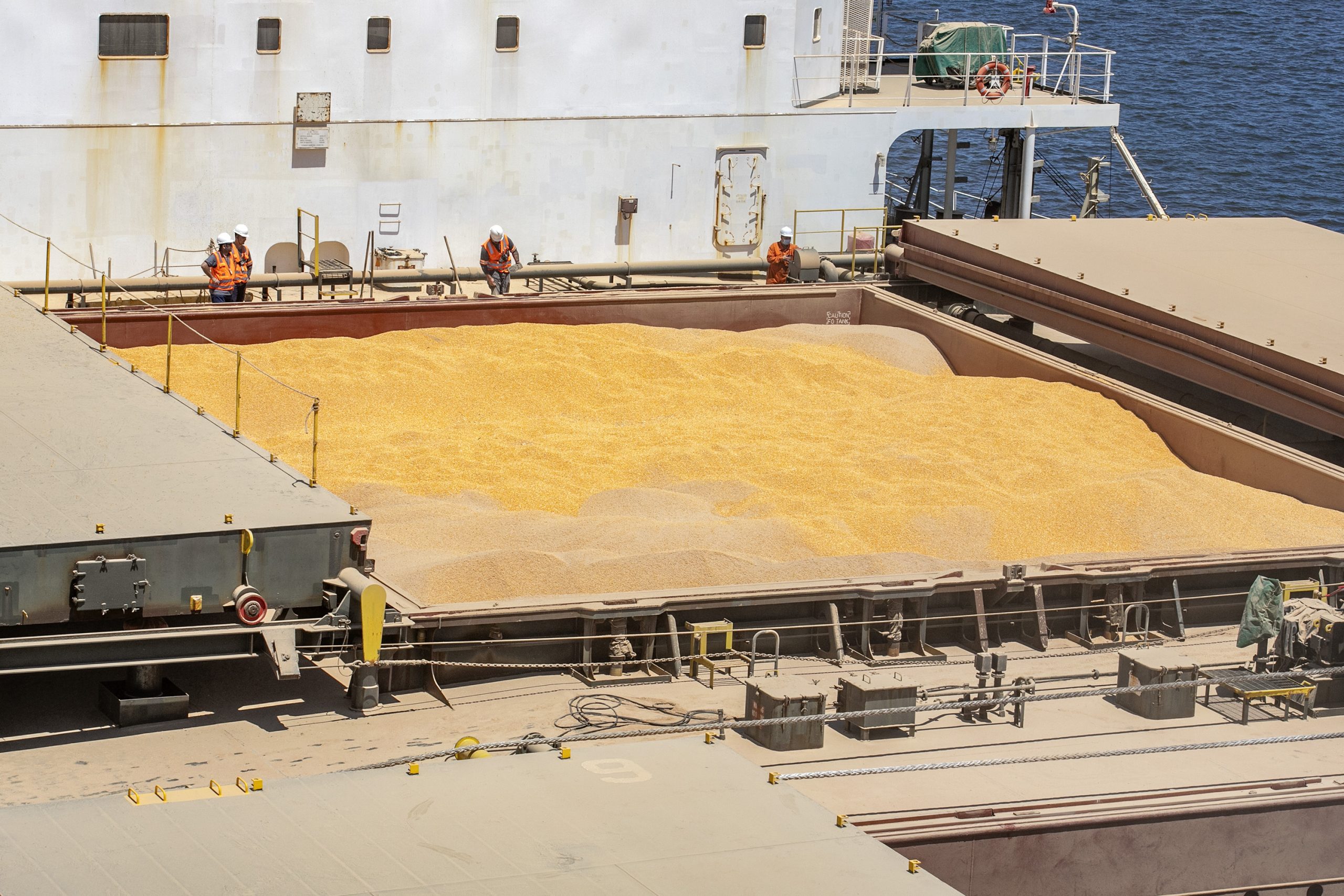
São Paulo – In 2025, Brazil exported USD 21.34 billion to Arab countries, a drop of 9.81% compared to 2024, a year in which performance had reached a record high. According to data from Brazil’s Ministry of Development, Industry, Trade and Services, compiled by the Market Intelligence department of the Arab-Brazilian Chamber of Commerce (ABCC), there was a decline in sales of the leading products exported to Arab countries, such as iron ore and chicken meat. In the last quarter of the year, exports grew 8.2% compared to the same period in 2024.
Sugar was the top product exported by Brazil to Arab countries last year, totaling USD 4.63 billion, down 29.89% compared to 2024. It was followed by chicken meat (USD 3.34 billion, a decline of 6.40%), corn (USD 3.07 billion, up 24.94%), iron ore (USD 2.65 billion, down 12.70%), and beef (USD 1.79 billion, up 1.91%)..
Among the 22 countries that make up the Arab League, the United Arab Emirates was the main destination for exports, totaling USD 3.78 billion, a decline of 16.9% compared to 2024. Egypt, the second-largest buyer of Brazilian products among Arab countries, imported USD 3.73 billion, down 6.20%. It was followed by Saudi Arabia, with sales of USD 3.13 billion, a slight decrease of 0.1%. Algeria was the fourth-largest export destination, totaling USD 2.33 billion (down 9.2%), followed by Iraq, which imported USD 1.49 billion, a reduction of 21.3%.
The export basket remained concentrated in agribusiness products. Of the USD 21.34 billion that Brazil exported to Arab countries, USD 15.91 billion came from agriculture and livestock, equivalent to 72.51% of the total. Some countries have been investing in local food production and expanding imports of inputs from Brazil. This can be seen in corn sales (up 24.94%) and in exports of live cattle for slaughter, which rose 18.1% and totaled USD 695 million.
In the opposite direction, imports also fell by 2.8%, to USD 9.9 billion. Total trade between Brazil and Arab countries reached USD 31.2 billion, down 7.7%, and the trade surplus amounted to USD 11.4 billion, 15.1% lower than in 2024. The leading suppliers to Brazil were Saudi Arabia, Morocco, Egypt, Algeria, and Oman, and the leading products sold by Arab countries were crude oil, refined petroleum, nitrogen fertilizers, mixed fertilizers, and phosphate fertilizers.
Growth trend in sales to Arab countries
Although they ended the year down, exports resumed growth in the last quarter of 2025. The increase compared to the same period in 2024 was 8.2%.
According to the Vice President of International Relations & Secretary-General of the ABCC, Mohamad Orra Mourad, three factors explain the drop in sales: in 2024, exports to Arab countries reached record levels, up 22% compared to 2023, which makes such performance “difficult” to surpass from one year to the next. Two other reasons, he says, are the fall in commodity prices—which form the basis of Brazil’s export basket to Arab countries—and avian flu in a municipality in the southernmost state of Rio Grande do Sul, which led to a 6.4% decline in chicken meat exports to Arab countries.
Mourad notes that the increase in sales in the fourth quarter of 2025 compared to the same period in 2024 points to a recovery trend in exports, although he says it is still too early to confirm this trend. “We have some factors that may contribute to this. Once again, the food security agenda is extremely important for the Arab world, which depends on exports from Brazil to ensure its food security—this is very important. We also have Ramadan in the first months of the year, which impacts export volumes,” he says, referring to the holy month for Muslims, which begins on February 17.
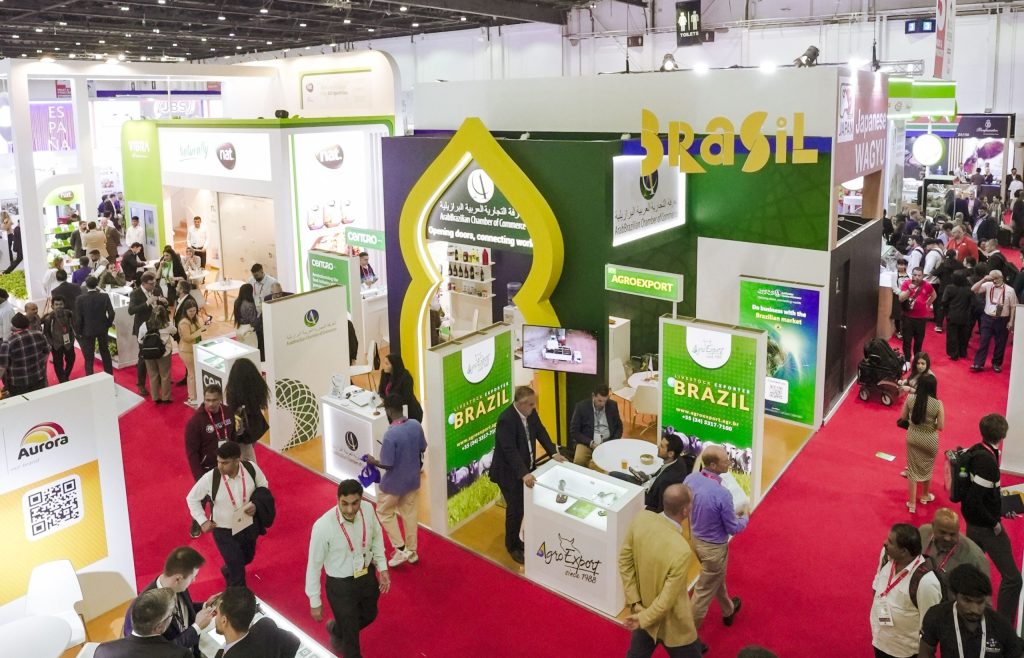
“And the ABCC has also been working very strongly in terms of activities and projects for the first half of the year—trade fairs abroad to take Brazilian exporters to participate in exhibitions and open up new markets. The Halal do Brasil project contributes greatly to this [market opening],” he says, referring to initiatives to promote Brazilian-made halal products abroad. “We have a trade mission scheduled for April to Morocco and Tunisia, as well as a buyer project, in which we will bring Arab buyers to Brazil for a business matchmaking round, involving around 40 companies,” Mourad says about the institution’s initiatives to promote trade between Brazil and Arab countries.
Read more:
Brazil’s beef: Arab imports surge over 176%
Translated by Guilherme Miranda
