


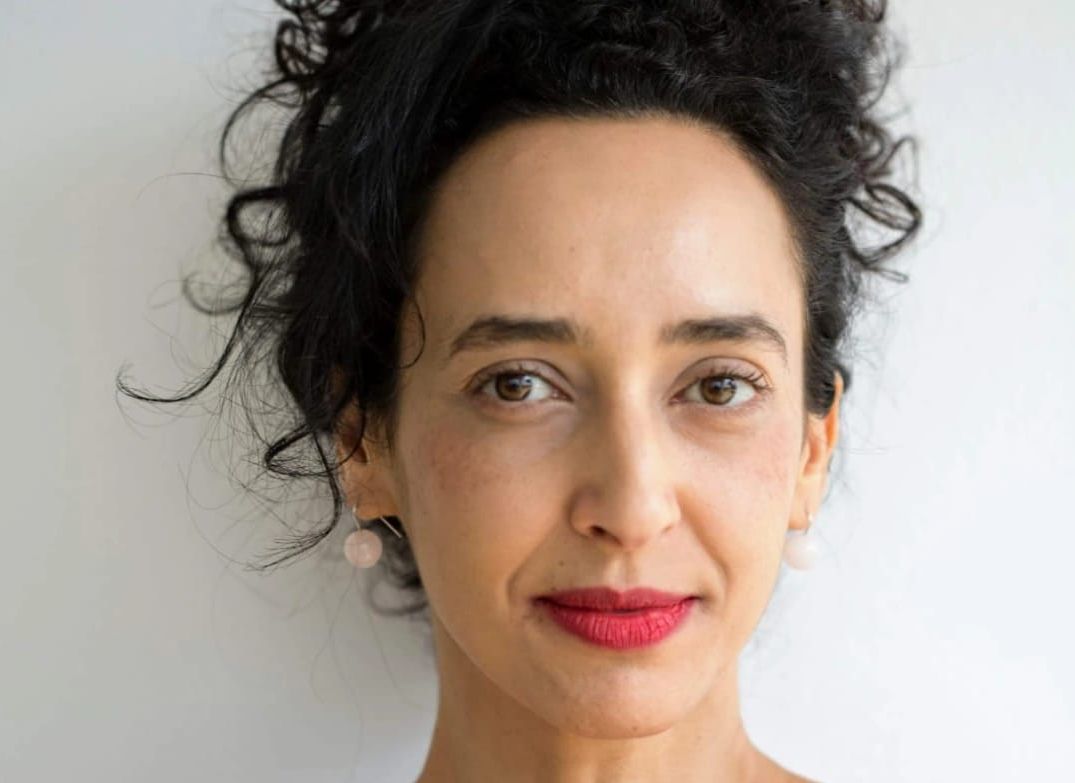
São Paulo – From an early age, 49-year-old Valéria Arbex learned that the most important stories are not always found in books. A granddaughter of Syrians on her mother’s side, the actress was born and raised in São Paulo’s south side, in a middle-class family, surrounded by memories passed down orally by the only grandmother she knew: Nadime, a Syrian woman who arrived in Brazil at the age of ten.
It was through her ancestor—who spoke Arabic, cooked traditional recipes, and told stories of her homeland—that Arbex had her first contact with a cultural heritage that would later become raw material for her theater company.
My grandmother wore a headscarf and told stories of her childhood, from before she became an immigrant, while she cooked
Valéria Arbex
“My grandmother wore a headscarf and told stories of her childhood, from before she became an immigrant, while she cooked. Everything I learned about Arab culture when I was young came from her,” says Arbex.
Growing up in a typical 1980s childhood, filled with street games, and with a shy personality, the São Paulo native didn’t seem destined for the stage. But the soap opera lover saw her life change in her teens, in the early 1990s, when her parents were able to pay for a theater course.
At 15, Arbex began classes at a conservatory in the Brooklin neighborhood, in the city’s south side. From the very start, theater stopped being a curiosity and became her profession.
After attending schools like the Pirandello Acting Course and Indac, Valéria joined professional theater companies and productions, performing works by Nelson Rodrigues and Plínio Marcos, before moving to Rio de Janeiro, where she stayed for seven years.
In 2009, she returned to São Paulo and founded her own group: the Damasco Theater Company—named after the capital of her maternal grandparents’ homeland.
The idea for the play came after Arbex discovered a family treasure: 68 love letters exchanged between her maternal grandparents during their engagement, which took place between 1937 and 1939.
Written while each lived in different towns in the state of São Paulo, the letters had been left as an inheritance by Nadime but remained forgotten for years. Delving into the correspondence sparked research that went beyond the family sphere.
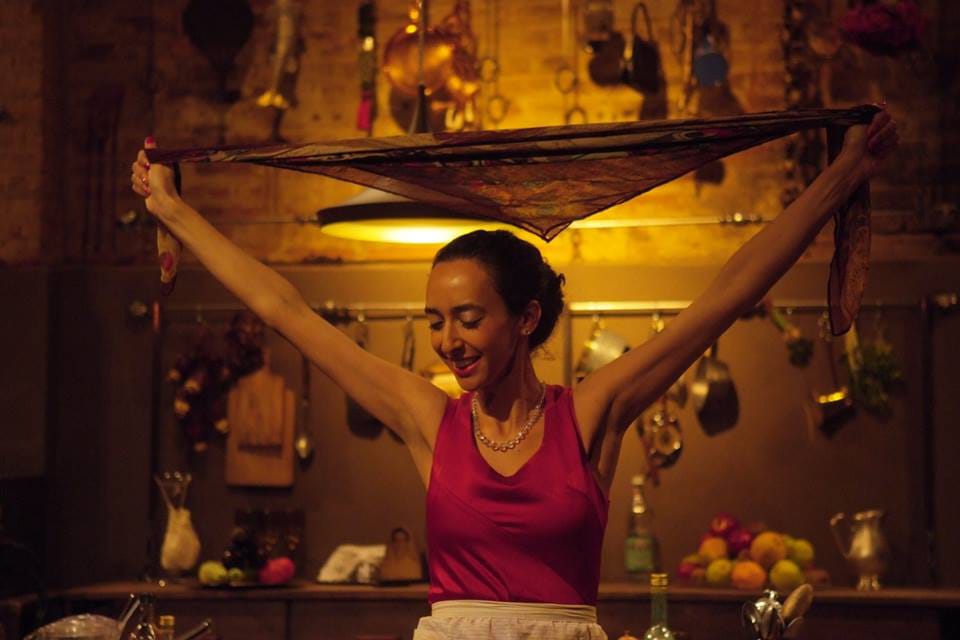
This led to academic studies on Arab immigration, interviews with merchants, researchers, and descendants, as well as visits to cities connected to the family’s history. From this process emerged “Salamaleque,” a play that premiered in 2013 and was directly inspired by her Syrian grandmother’s journey.
Set in a kitchen, the play wove together memories, family stories, cuisine, and fiction, as the character revisited the experiences of different generations of Arab women.
Running until 2016, the play had seasons in São Paulo and Rio de Janeiro and also toured festivals. From it, Arbex developed workshops on cuisine and emotional memory, as well as projects for children, always aiming to bring audiences closer to Arab culture beyond stereotypes.
“When you tell a story about how things are, you’re already demystifying it,” says the São Paulo native.
Written, visual, and female
During the pandemic, isolated at home, Arbex found a new creative path. She began producing photographic self-portraits in which she embodied different female characters.
Each image was accompanied by a name and a brief caption. The project grew and years later gave rise to the book Majestosa, published in April 2025 by Ópera Editorial. The work consists of letters written by women who, over the course of a century, lived at the same address.
One of them is Antônia, a character of Arab origin. “It’s nearly impossible for me to create anything without including an Arab woman. And whenever I write about an Arab character, I use my grandmother as inspiration,” explains the writer.
The cuisine, customs, and female memory of her ancestor run through the narrative, even when the theme isn’t explicitly about immigration.
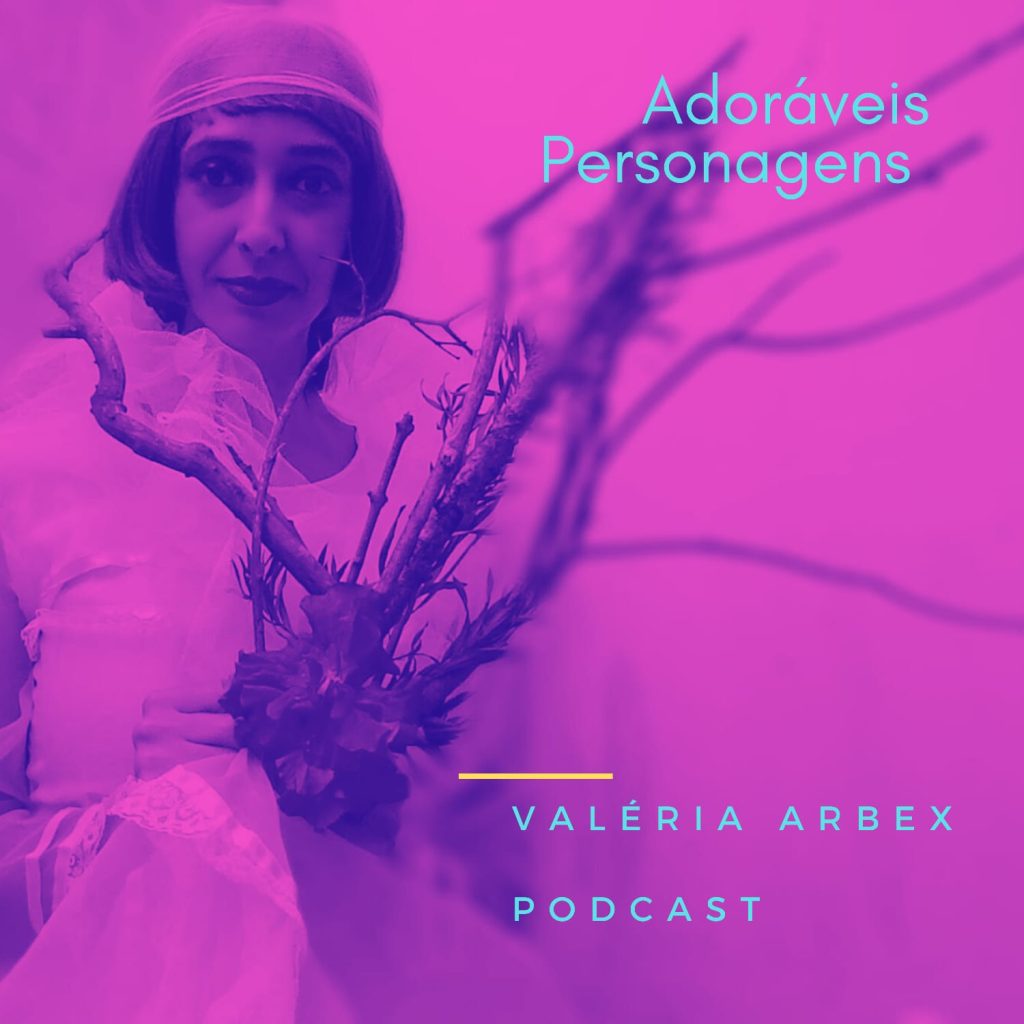
The same family universe expanded into her podcast, available on Spotify, called “Adoráveis Personagens,” recently created. In weekly episodes, Arbex writes and performs stories of women, always told from the perspective of another woman—a friend, a daughter, a student, or a neighbor.
Among them are Arab characters, like Jamile, a university professor who wears a hijab, presented from an intimate, everyday perspective. Crafted in an artisanal way, the podcast combines writing, performance, and memory, reinforcing a constant feature of her work: giving voice to women whose stories rarely take center stage.
Read more:
Vargens and his half century of Arabic teaching
Report by Rebecca Vettore, in collaboration with ANBA
Translated by Guilherme Miranda
