



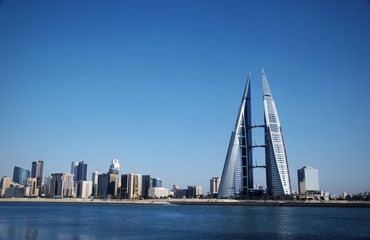
São Paulo – Bahrain was strongly affected by the fall of oil prices and needs to adopt measures to compensate the economic slowdown and the increasing fiscal deficit, which should reach 19.5% of the Gross Domestic Product (GDP) at the end of the year. These are some of the assessments reported by the International Monetary Fund (IMF) after the conclusion of an analysis of the country’s economic situation at the end of March. The report was made public this Tuesday (26).
According to a statement by the Fund, the GDP of the Arab country increased 4.5% in 2014, but slowed down in 2015 to 3.2%. For this year, 2.2% growth is expected. The economic downturn is the result, especially, of the fall in oil prices since the second half of 2014. The country is dependent on revenues from the commodity and experienced an increase in economic imbalances since then.
“Growth has slowed and, notwithstanding the positive impact that could be expected from the recent uptick in oil prices, fiscal and external vulnerabilities have increased significantly”, says the Fund’s statement. On the other hand, the document released by the organization points out that the measures adopted by Bahrain’s authorities are positive. Among them, the Fund mentioned the reform in energy prices. “Nonetheless, additional efforts are needed to further reduce the fiscal deficit”, says the document.
The IMF says that the Bahraini government raised gasoline prices by 60% and that it will gradually adjust, over the medium term, the prices of diesel, kerosene, natural gas, electricity and water tariffs. The directors of the Fund also advise Bahrain to contain public spending, reduce energy subsidies even more and increase revenues from the non-oil sector, including through the adoption of a value-added tax (VAT).
The VAT should be adopted in 2018 in a joint action by the countries from the Gulf Cooperation Council: Bahrain, Saudi Arabia, Qatar, Oman, United Arab Emirates and Kuwait. All of them are dependent of the oil and gas industry.
The IMF’s report says also that local authorities need to develop a “strong debt management strategy”. They also advise Bahrain to address impediments to private investment in order to achieve diversified and sustainable growth.
*Translated by Sérgio Kakitani

