



São Paulo – Conflicts in Syria and Iraq continue to impact negatively Jordan’s economy. Estimated growth in 2016 was 2% and the unemployment rate reached 15.3%, according to data made public this Wednesday (15) by the International Monetary Fund (IMF).
However, modest growth of the Gross Domestic Product (GDP) is expected this year, driven by a recovery in exports, tourism and cash remittances from Jordanian expatriates. This week, the country’s Central Bank stated that tourism revenues increased 16% in the first two months, in comparison to the same period of 2016, reaching USD 652 million.
According to the report by the Fund’s staff mission that visited Jordan on March 5 and 6, the local government reiterated its commitment to measures aimed at reducing the country’s vulnerabilities and increasing growth. “The overall fiscal deficit is estimated at 3.6 percent of GDP in 2016 and is projected to decline to less than 3 percent in 2017 in light of fiscal measures underpinning the 2017 budget,” said the head of the mission, Martin Cerisola, in a statement.
With the growth seen by tourism and remittances from abroad, the IMF believes the current account deficit of Jordan will decrease in 2017, after going up from 9.1% of the GDP in 2015 to 9.5% of the GDP in 2016.
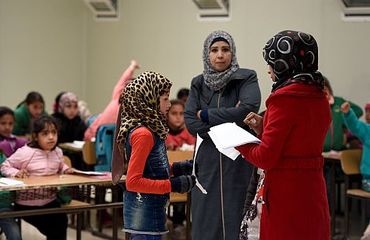
Besides impacting trade and tourism, the conflicts in the neighboring countries resulted in a mass influx of refugees, with a strong impact in infrastructure and public services. Jordan has 670,000 Syrian refugees as registered by the United Nations High Commissioner for Refugees (UNHCR), which amounts to nearly 10% of the country’s total population.
*Translated by Sérgio Kakitani

