



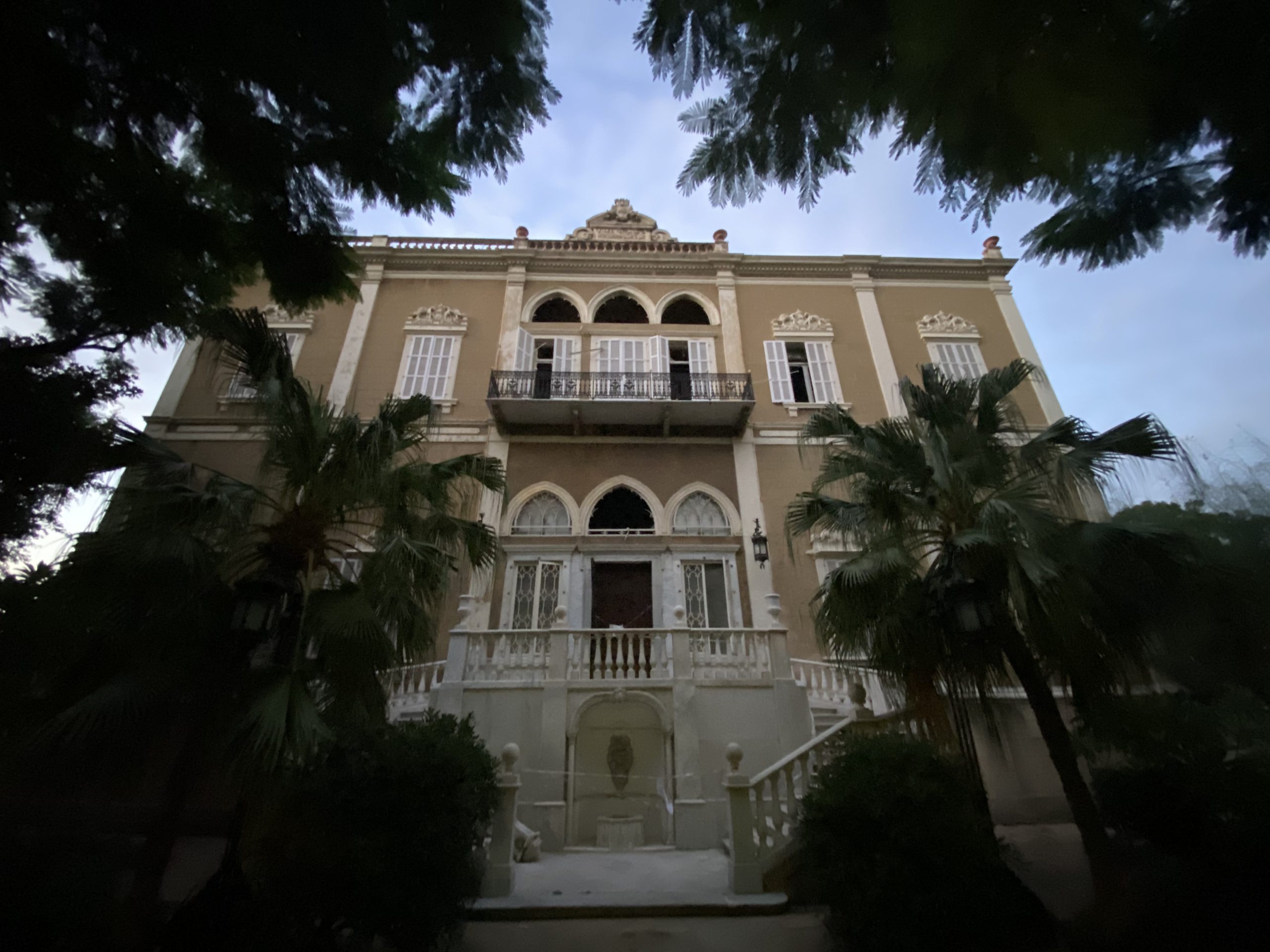
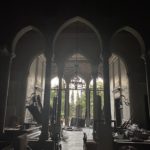
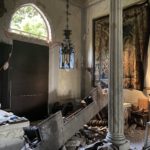
São Paulo – A group of friends from different countries involved in cultural philanthropy recently launched the RestART Beirut project, a fundraiser to conserve and restore the heritage site in Beirut, Lebanon. The first action under the project will be the rebuilding and restoration of the Sursock Palace and its private art collection. The building will be converted into a museum and cultural center hosting various activities. Pictured above is the Palace’s façade after the blast.
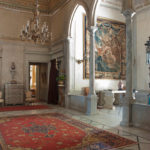
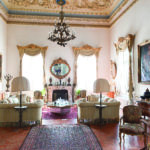
Sursock Palace was picked out because it is one of Beirut’s biggest historic palaces. The iconic site was badly hit by the August 2021 explosion. ANBA interviewed the project’s coordinator Marie Eve Didier of Switzerland. “The Palace was built in the 19th century. It features unique Lebanese architecture and a private art collection. After the restoration, we will be able to divulge and share this knowledge. In addition to the museum, we will host artist residencies with local and international artists, musical events and many other activities,” she said. During reconstruction, the gardens outside the building will open to the public.
(The story continues after the photo gallery)
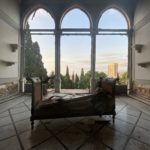
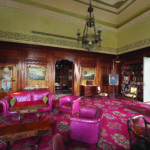
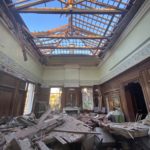
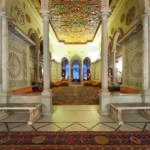

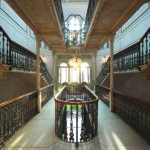
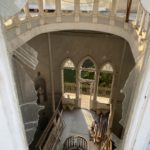
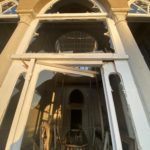
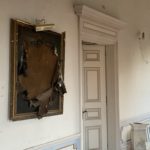
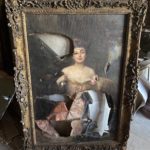
The goal is to raise from USD 7 million to USD 10 million for the project over the next five to six years. Cash donations are being accepted, as well as volunteer work and academic partnerships with local and international institutions.
“We are accepting volunteers with various skills as well as building material and cash donations. We intend to share knowledge at the local and international levels. We want this project to help Beirut and to have a positive social impact,” said Didier.
RestART Beirut aims to protect and restore Beirut’s heritage and art collection, and to make it available to the public. The project also spans education, with an emphasis on heritage protection; knowledge-sharing; and the dissemination of architecture and art culture among younger generations. It will also strive to give the local economy a boost by reviving a network of Lebanese artisans and creating new jobs in the sector. Work will also be done towards transnational cooperation, through cooperation between institutions, universities, state-run and private enterprises.
Please go to the project’s website to find out more or donate.
Translated by Gabriel Pomerancblum

