




São Paulo – Founded 12 years ago by the family of Maurice Youssef Franciss, it was only in 2020 that Ishtar winery made its first export. Located in the Koura region, in northern Lebanon, the company chose Brazil as the first destination of its exports. The choice, made by Rita Reggiane, a partner in the company, proved so successful that sales grew 170% in five years.
“I was working at a foreign trade company when I met Franciss. Working as a doctor, he asked for my help to bring the first container of his family’s wines to Brazil, still during the pandemic, to see if it there’d be demand. It worked out at that time, but we only established a partnership, with me as manager and sales administrator, in 2023,” says Rita Reggiane.
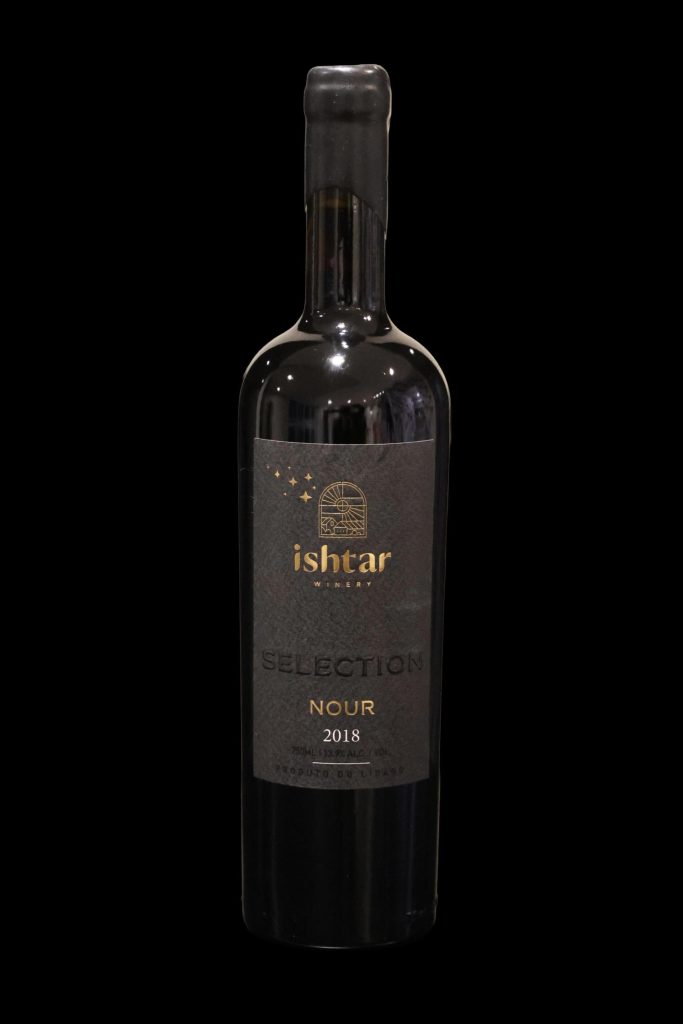
Betting on product exclusivity and differentiation, four containers have since been brought to the country. “Brazil now buys 70% of our production, and I can say our consumer base is made up of both Brazilian natives and the local Arab community. Those who buy our wines are either the younger crowd, aged 25 to 45, who frequent wine bars, or members of the Arab community — descendants of Lebanese and Syrian — who take part in events,” says the partner of Ishtar winery.
With a small production of approximately 60,000 bottles per year, the company chose a business model that values exclusivity, positioning its products in restaurants, bistros, and specialty shops rather than large retail chains.
“The selection of sales outlets goes through an analysis of the establishment’s profile. We assess whether that place has a clientele that will appreciate our product. We shifted from being a B2C sales company to a B2B approach, more business-oriented,” explains Reggiane.
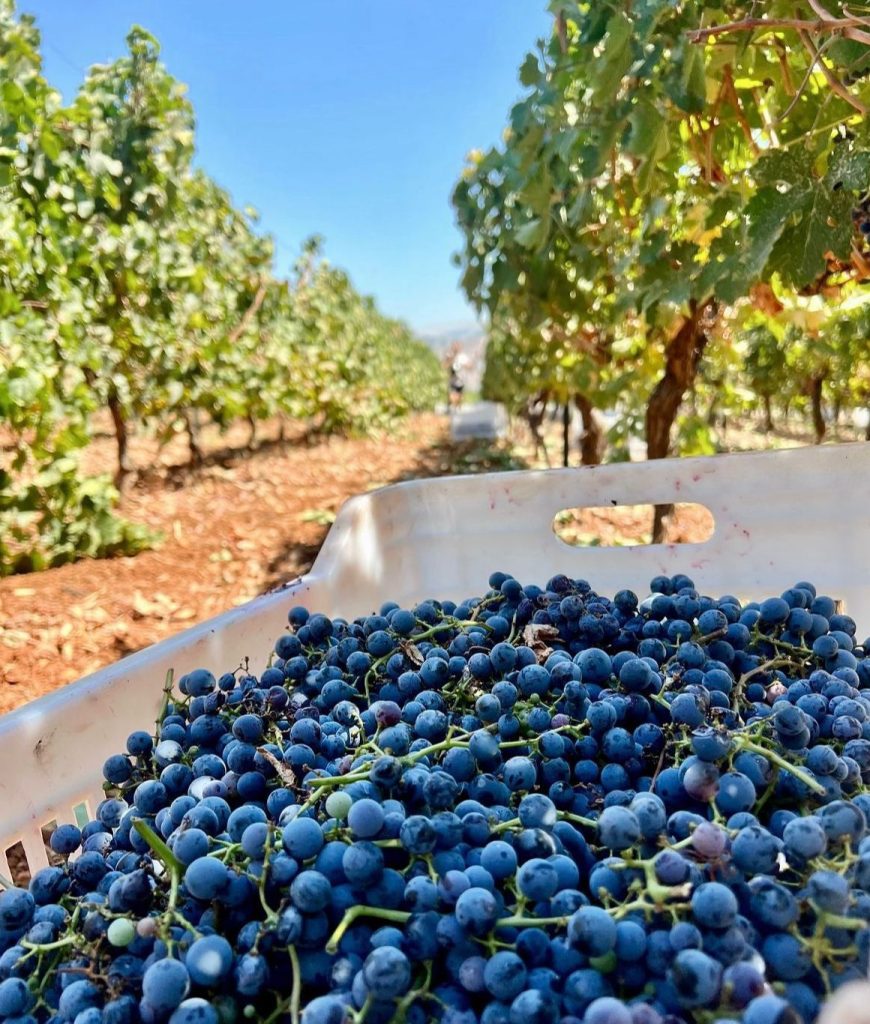
The company’s partner, who also exports olive oil from centennial trees to Brazil, explains why their wine is so distinctive. “The terroir—all the factors that affect soil quality, such as rain, wind, and even nearby planted spices—gives our wines unique characteristics. The soil region, located between the mountains and the Mediterranean Sea, is warmer, which also contributes to making our grapes different,” says Reggiane.
“Because of the heat, one of the things that changes our wines is the alcohol content, which is higher than wines produced in cooler regions. I have a white wine, for example, that has 14% alcohol. For a white wine, that’s quite high.”
Working with native grapes from the region, such as Obeidy and Merwah, as well as international varieties like Cabernet Sauvignon and Sangiovese, the winery has its logistics headquarters in Suzano, São Paulo state.
From economics to wine
Reggiane’s journey to leading the importer began far from wineries. An economist by training with a postgraduate degree in International Relations, she worked for years in foreign trade. A move to Argentina with her husband led her to explore a new field, where she trained as a sommelier.

“I’ve always appreciated wine, so while I was in Argentina, to try to get closer to the locals, I decided to take a sommelier course. After three years of in-person classes, the pandemic hit, and I returned to Brazil,” recalls Reggiane.
It was upon this return that her technical knowledge of importation and passion for wine came together. At a trade fair for the foreign trade sector, she met her current partner, a doctor from a Lebanese family.
“I wanted to turn my life around, to start a different kind of business. I saw it as a big challenge because it’s a product that doesn’t have very strong marketing in Brazil,” says the entrepreneur.
In addition to Brazil, the company sells to the United States and Japan. Looking ahead, the winery plans to import a new container with two new labels and redesign its website to include a map of all sales points in the country. The expansion philosophy, according to the entrepreneur, follows a Lebanese saying: “We have to be like the cedar of Lebanon: growing on strong roots. Those who grow on a solid foundation are unlikely to break,” she concludes.
Read more:
From Lebanon to São Paulo state
Report by Rebecca Vettore, in collaboration with ANBA
