



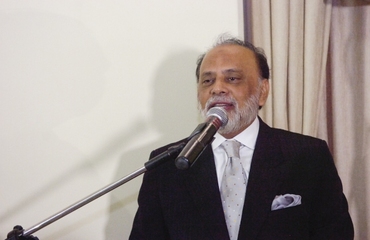
São Paulo – Amsia Motors, an automaker with Arab capital which manufactures in China, will transfer its headquarters to the Brazilian state of Sergipe, including a plant which should become operational in two years, as announced by company delegates this Thursday (27th) in state capital Aracaju.
Amsia chairman Mustafa Ahmed and the Saudi prince Abdul Rahman Bin Faisal Al Saud, the automaker’s leading investor, signed a term of intentions with the Sergipe government. “The government offers infrastructure facilities and fiscal incentives, and Amsia commits to investing R$ 1 billion (US$ 452 million) in manufacturing. The company is also planning on transferring its headquarters, currently in China, to Brazil,” said Célio Oliveira Martins, the special advisor to the Secretariat for Economic Development, linked to the Ministry of Science and Technology. The Secretariat is responsible for attracting investment into Sergipe.
The agreement was signed by the acting governor Jackson Barreto. The secretary for Economic Development Saumíneo Nascimento also attended the signing ceremony. On Wednesday (26th), Nascimento accompanied the executives to the plot in which the Amsia plant will be built.
According to Martins, Amsia should start making some models within two years. “The entire project should be completed in four years,” he says. The first vehicles to be made should be passenger cars, SUVs and pickup trucks. “Eventually, we will make buses, light and heavy trucks,” says the advisor. The unique feature of Amsia’s vehicles is the fact that they are either electric or (they run on electricity and other fuels at once).
The plant site is located in the municipality of Barra dos Coqueiros, by the Sergipe port. From there, in addition to supplying the Brazilian market, the company intends to ship product to South America, the Middle East and Africa.
According to the advisor, Amsia is also negotiating with the Brazilian Ministry of Development, Industry and Foreign Trade to grant benefits to the company, so it may start importing 25% of the amount of vehicles it plans on making in Brazil, and sell them with the same tax breaks as Brazilian-made autos. “By next year we will be importing,” he said. Martins did not disclose the company’s planned output in Brazil. There are forecasts of 4,000 direct jobs being created.
Martins claims the state has not made projections regarding the company’s revenues in Sergipe, but notes that it should attract several auto parts industries to the state. “An automaker is the queen of investment. Yazaki, one of the world’s leading electronic parts manufacturing company, has already set up here ten days ago,” he says. According to him, the state is also negotiating with an auto air conditioning factory interested in having a base in Sergipe in order to supply the Amsia plant.
*Translated by Gabriel Pomerancblum

