



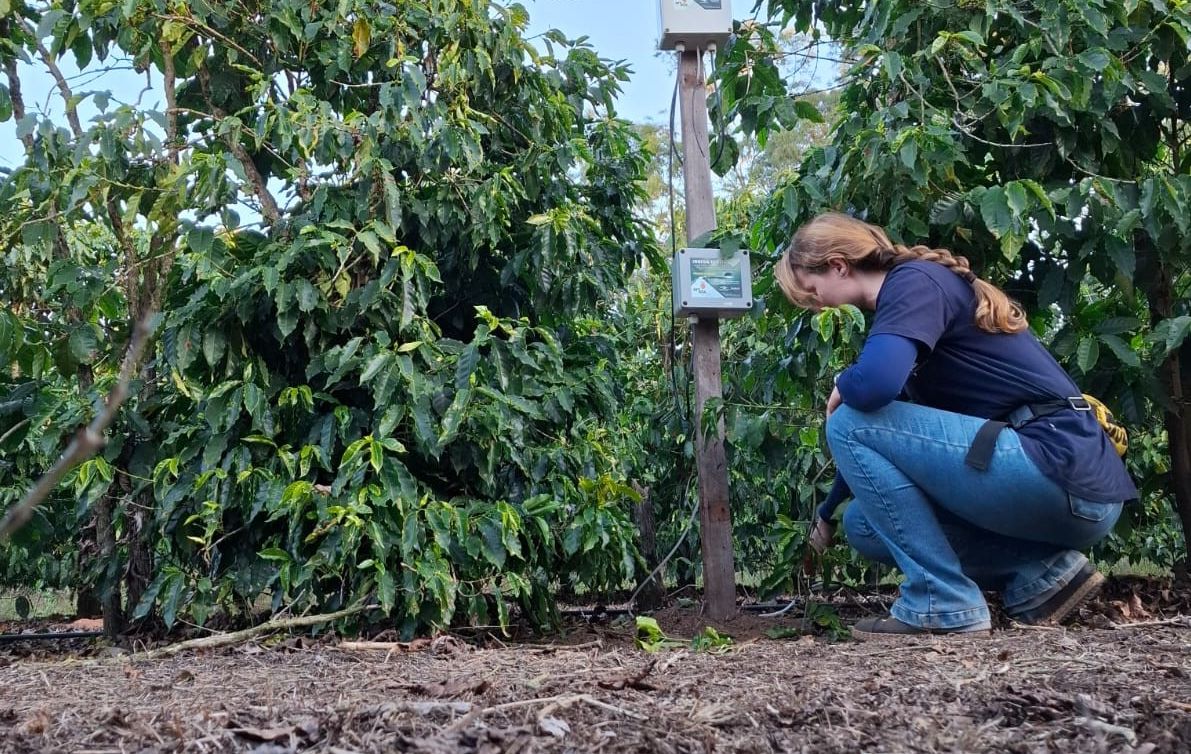
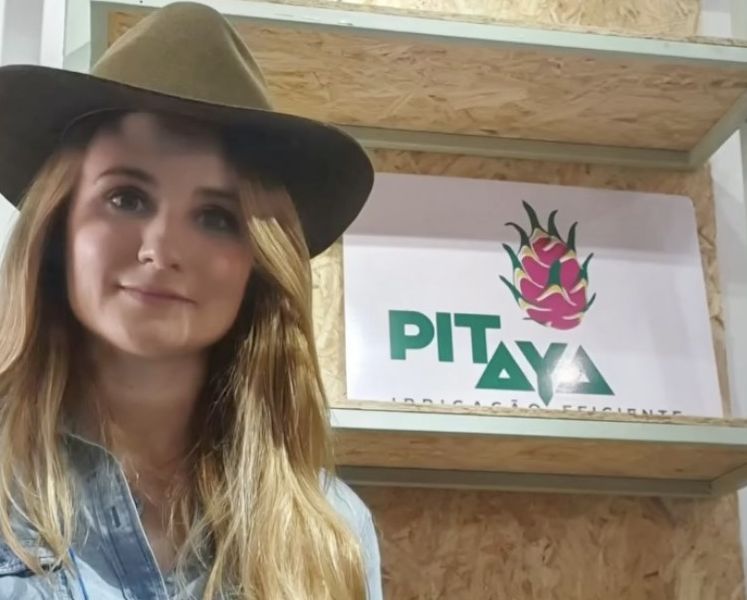
São Paulo – With a degree in Environmental Engineering and a master’s in Impact Assessment, Juliana Polizel combined her concern for sustainability with technology to create Pitaya in 2019. The startup, founded with the goal of optimizing water use in crops and automating irrigation management, developed sensors for systems that irrigate coffee, strawberry, and tomato fields, and carried out its first international test in Saudi Arabia in 2021.
The connection with the Arab market came through a referral from a Brazilian client. The test, which lasted two months and used three of the company’s sensors, was carried out remotely in an experimental coffee plantation in the desert of the Arab country.
“It was a test because, for the first time, we managed a plantation in the desert, using desalinated water. For us, it was a challenge,” said Polizel. “Even so, communication worked very well, despite us being in Brazil and them over there. They asked questions, we explained, and the communication flowed smoothly.”
Even though the plantation itself did not perform well due to factors such as the environment and water quality, the experience helped prove the effectiveness of the Brazilian technology, which operated in a hostile environment with remote monitoring.
“Even with the differences in soil and water, our product there performed with the same standards it does here in Brazil. We were able to identify the water’s path through the soil, moving from one point to another, and the irrigation taking place. It was a good experience,” said the entrepreneur.
According to the founder, the exchange between the two countries was also important because it opened doors for contacts in other nations, such as Chile, Singapore, China, and the United Kingdom.
“After this experience, we’ve received requests for tests in Chile and Singapore. We haven’t done anything there yet, because this type of business takes time—we need to earn people’s trust first. We also held a meeting to discuss our product at the UK Embassy and attended a conference in our field in China,” says the CEO.
In Brazil, Pitaya already operates in the states of São Paulo, Minas Gerais, Rio Grande do Sul, and Paraná. In the coming months, plans include consolidating its presence in the southern part of Espírito Santo and expanding into new regions of Paraná. “I believe local support is necessary. We go to other states with this type of partnership,” explained Polizel regarding the growth strategy.
Company history and technology
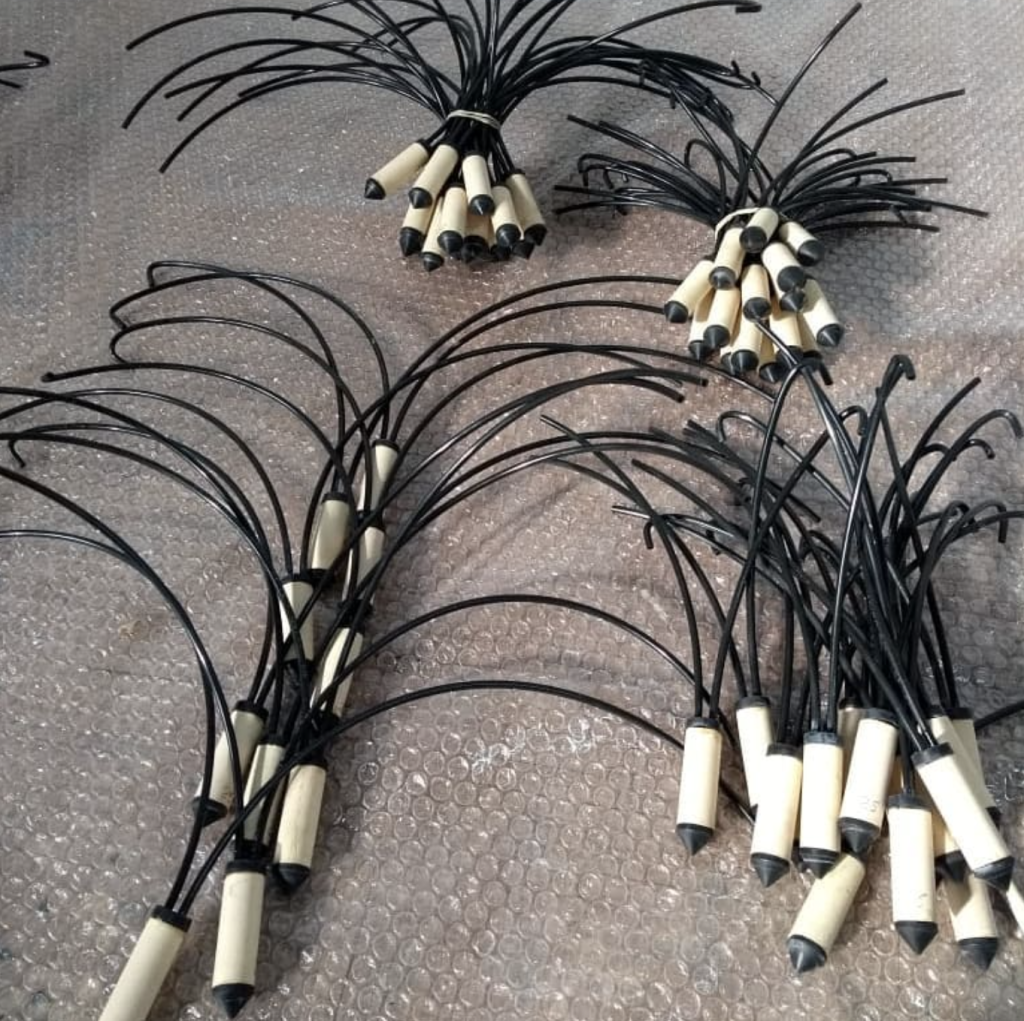
Founded in São Carlos, São Paulo state, the company relies on a technology based on a ceramic soil sensor with a porous structure. According to Polizel, the equipment stands out because it can measure soil moisture without requiring constant calibration for different soil types or temperatures.
“This reliability allows the farmer not only to automate irrigation but also to identify anomalies in the crops. We can detect root diseases because the entire farm has an average water consumption, and if a certain sector isn’t consuming water, then what is happening? It means it’s a root problem,” explains Polizel. The system’s simplicity and reliability earned it the nickname “Agro’s Little Clock.”
The product focuses on automating the irrigation process. Moisture measurements are used to automatically start or stop irrigation, aiming to use the exact amount of water needed by the plant. “It wasn’t a sensor made for measurement but for automation. Our connection is very direct with decision-making, with what needs to be done,” Polizel explained.
Pitaya also provides a strategic sensor installation service. The company’s team analyzes the planting area to determine the most representative points for installation, allowing a few sensors to monitor a large area. “It’s not enough to have a highly accurate sensor if it’s not placed in the right spot. We specialized in that,” the founder concluded.
Read more:
Bahrain puts its startups on the podium
Translated by Guilherme Miranda
