



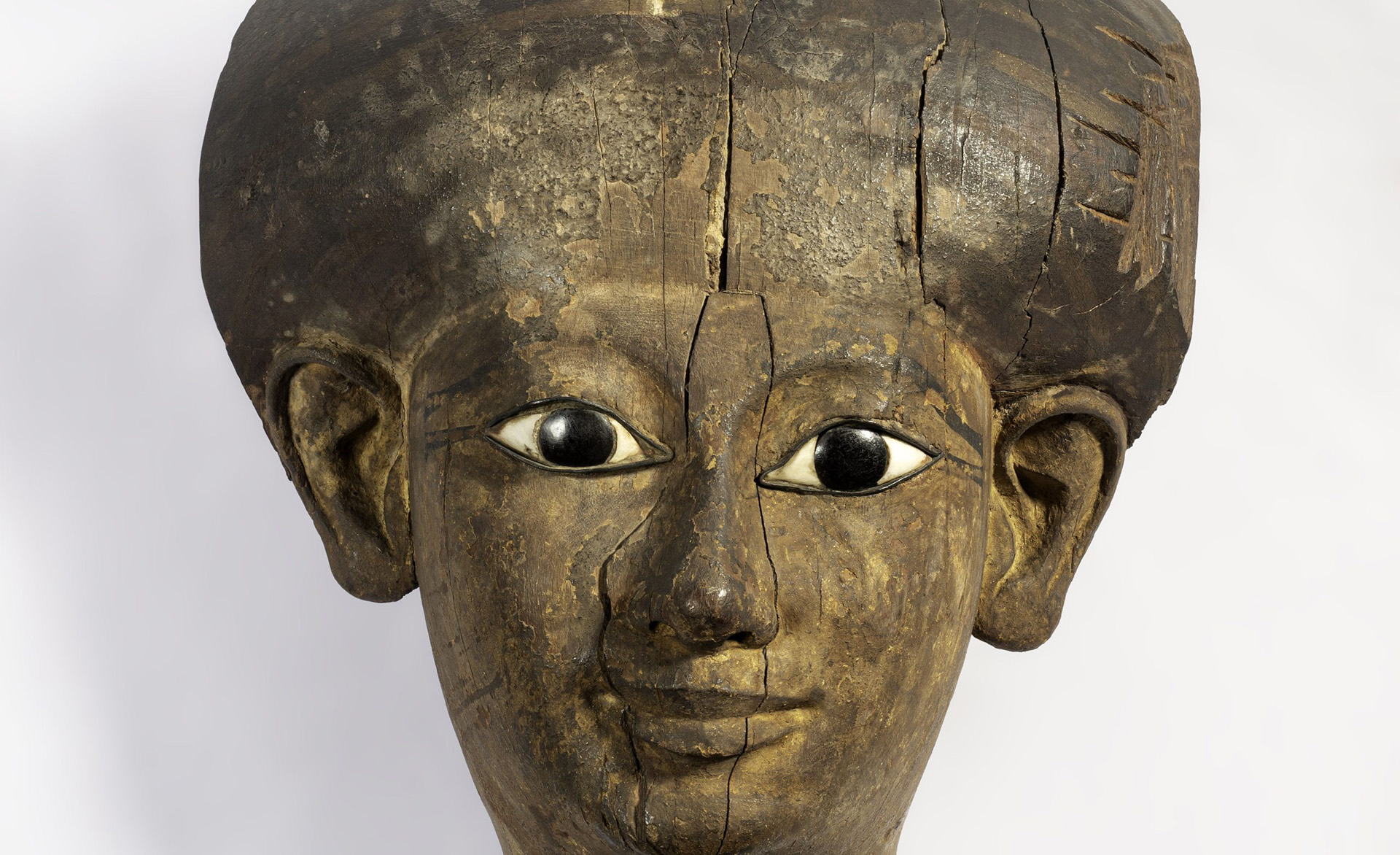
São Paulo – Walking through the rooms of the Eva Klabin House Museum in Rio de Janeiro, visitors have the opportunity to explore centuries of Egyptian art brought together by a Brazilian who dedicated her life to collecting, Eva Klabin.
Among works from different cultures and periods gathered in the house museum, the Egyptian collection stands out for its symbolic power, rarity, and enduring fascination. It consists of more than 40 original pieces acquired over the years by the founder of the museum.
The works, which are part of the museum’s permanent exhibition, cover an impressive span of Egyptian civilization, with pieces ranging from around 3000 B.C. to the Greco-Roman period, on the eve of the Christian era.
These include ritual vessels, deity figurines, amulets, architectural fragments, funerary masks, and small sarcophagi, which reveal not only the artistic sophistication of Ancient Egypt but also its complex worldview, deeply connected to life, death, and eternity, according to Ruth Levy, museologist at the Eva Klabin House Museum.
“Eva Klabin was a tireless collector with a remarkably wide-ranging eye. She managed to assemble a collection that spans more than five thousand years of art history, with pieces from four continents,” says Levy.
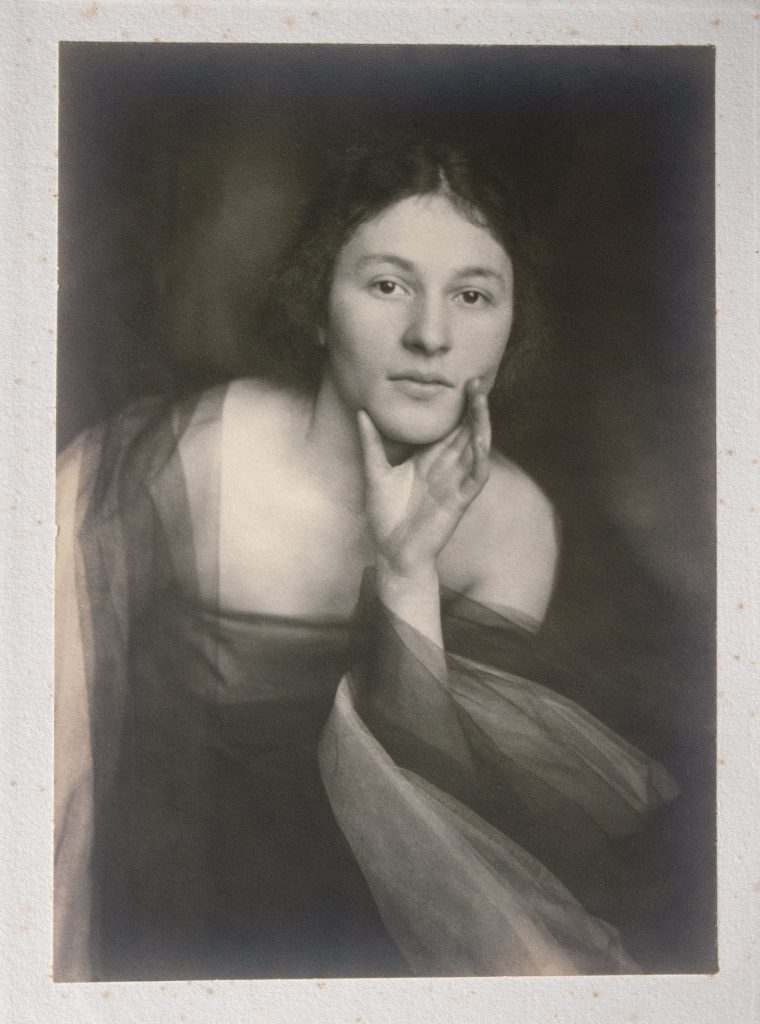
“And we can say that today this Egyptian collection is one of the most important in Brazil, especially after the loss of the National Museum’s collection. I believe it holds a prominent place both for its quality and its representativeness.”
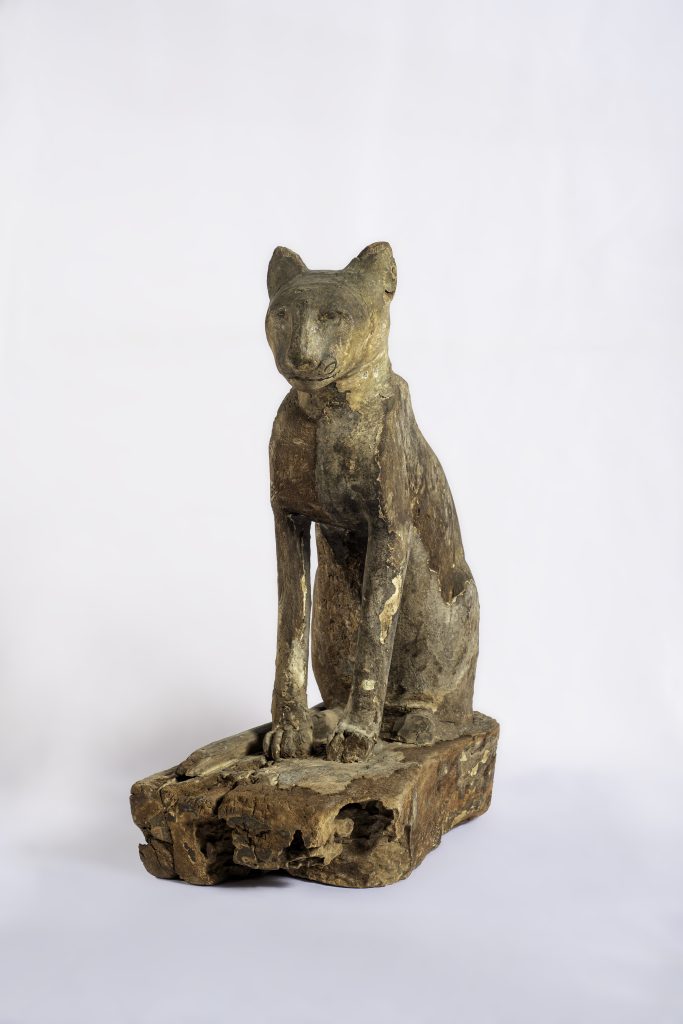
Among the objects that most spark visitors’ curiosity is a cat sarcophagus, reflecting the importance of felines in Egyptian religion, associated with deities such as Bastet and Sekhmet.
The collection also includes ritual stone vessels, scarab-shaped amulets, funerary stelae, and figurines known as shabtis, which represented servants destined to accompany their owners in the afterlife. “These are objects that require a reading beyond aesthetics. They speak about social structure, beliefs, labor organization, and spirituality,” Levy emphasizes.
For Camilla Rocha Campos, artistic director of the Eva Klabin House Museum, the strength of the collection lies precisely in its ability to engage with contemporary issues. “The house has been open to the public for more than 30 years, and we continue to ask ourselves how these pieces speak to today’s world. When we change the question, we hear new answers from the objects,” she says.
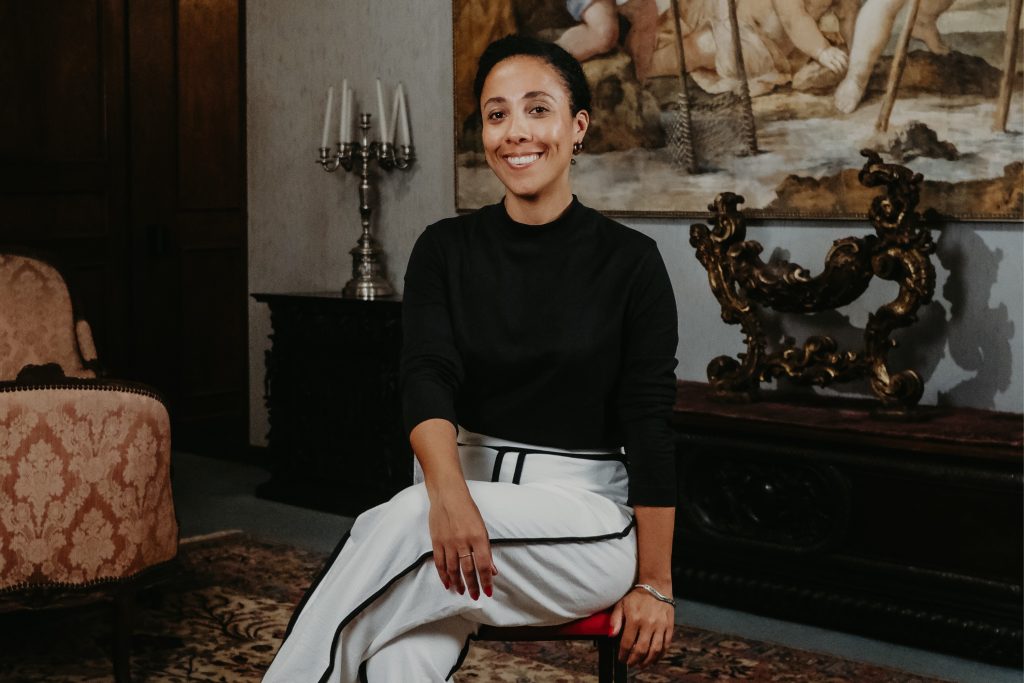
“The Egyptian collection also allows us to remember that Egypt is Africa, something that is often forgotten,” Campos notes. “It represents the African continent within the collection and helps broaden this historical and cultural understanding.”
More than a set of relics, the house museum’s Egyptian collection is a testament to the sensitive eye of its founder and her desire to share knowledge. And unlike traditional exhibitions, the Egyptian pieces are not isolated in a single room. They are part of the house’s original setting, arranged by Klabin during her lifetime.
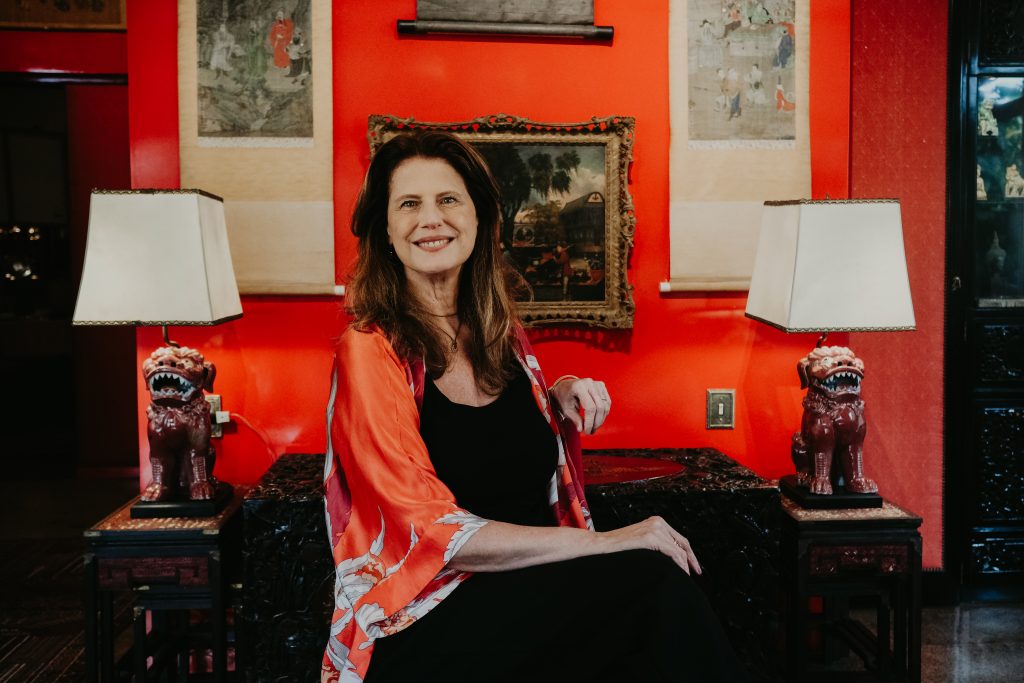
The residence, acquired in the early 1950s and renovated in the following decade, was designed to house the collection in a way that was integrated with the décor. “The house has been preserved with this spirit of a home, as Klabin wished. The different sections of the collection interact with the rooms, without a rigid chronological order,” says Levy.
Officially established in 1990, one year before her death, the foundation opened its doors to the public in 1995, transforming the former residence into a vibrant space for research, education, and dialogue. To this day, researchers continue to study the pieces, and catalogs and e-books are available free of charge.
Read more:
Memories of Arabs persisting in 25 de Março Street
*Report by Rebecca Vettore, in collaboration with ANBA
Translated by Guilherme Miranda
