



São Paulo – What documents does a refugee have? What are their legal rights? Are they legally allowed to work in Brazil? To answer these and other questions regarding the working conditions for refugees in Brazil, the United Nations High Commissioner for Refugees (UNHCR) has recently launched in Brazil a booklet containing information on how to hire foreigners living under refugee status who are looking for work in the country.
The entire booklet, written in Portuguese and available at http://migre.me/pvQSY, was devised to shed light on corporate issues involving the hiring of refugees, and also features first-person accounts from employers who gave these people a chance.
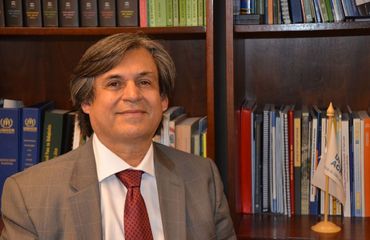
“Generally speaking, all refugees seek employment on their own, but we try to provide the tools for them to be able to enter the labor market more easily,” explains Andrés Ramirez, the UNHCR representative in Brazil. He explains that Brazilian law allows refugees to get labor cards, which accredits them to be hired by companies in Brazil, but there are other issues to consider.
“The language is a key aspect. Refugees from Latin-speaking countries find it easier to understand Portuguese, but those hailing from countries whose languages are farther removed from Portuguese find it harder,” says Ramirez, noting that learning to speak Portuguese is crucial for refugees to gain access to the labor market in the country.
According to Ramirez, there are partner companies that help in placing refugees with other companies, such as Emdoc, which works via the Refugee Placement Support Program (Programa de Apoio para a Recolocação dos Refugiados – PARR) to help find enterprises looking to hire them. Last year alone, 80 refugees found jobs through this partnership.
Cáritas, an aid organization belonging to the National Conference of Bishops in Brazil, also works to find jobs for refugees. “In Rio de Janeiro, they are in touch with 26 companies and have created a steady flow of refugees into the labor market,” the UNHCR representative says.
Arabs
Ramirez tells that at this time, there are 7,662 refugees from 80 countries living in Brazil. Syrians are the majority at 1,739 people. The UNHCR representative says that as of late 2014, there were refugees from 15 Arab countries in Brazil. These people combined account for 38% of refugees in the country.
He also explains that four of these 15 Arab countries are the leading issuers of refugees to Brazil – after Syria, they are: Lebanon (324 people), Palestine (314) and Iraq (233). According to Ramirez, 34% of all refugees in Brazil are from one of these four countries.
He says there are 1,546 asylum requests from Arabs being reviewed by the National Committee for Refugees (Conare), an organization linked to the Brazilian Ministry of Justice, which is responsible for granting asylum to foreigners in Brazil. These people, Ramirez says, are from 19 Arab countries, and this can drive up even further the number of North African and Middle Eastern countries with refugees in Brazil.
Adaptation
Ramirez explains that many refugees encounter difficulties adapting to life in Brazil due to differences in language, clothing and habits, and end up leaving the country. On joining the labor market, he says, their views change.
“Their language skills improve. Work is not merely an economic issue, it’s also a cultural one,” the executive claims regarding the integration of refugees into society.
For him, Arab refugees joining the labor market is also relevant in terms of having Brazilians gain a better understanding of their culture and demystifying a few stereotypes, such as the association of Arabs with terrorism.
“It’s very important for Brazilians to understand that the Arabs are people just like anybody else,” he says. According to Ramirez, the presence of Arabs in Brazilian companies helps improve public opinion about them, and increase the self-esteem of refugees.
*Translated by Gabriel Pomerancblum

