



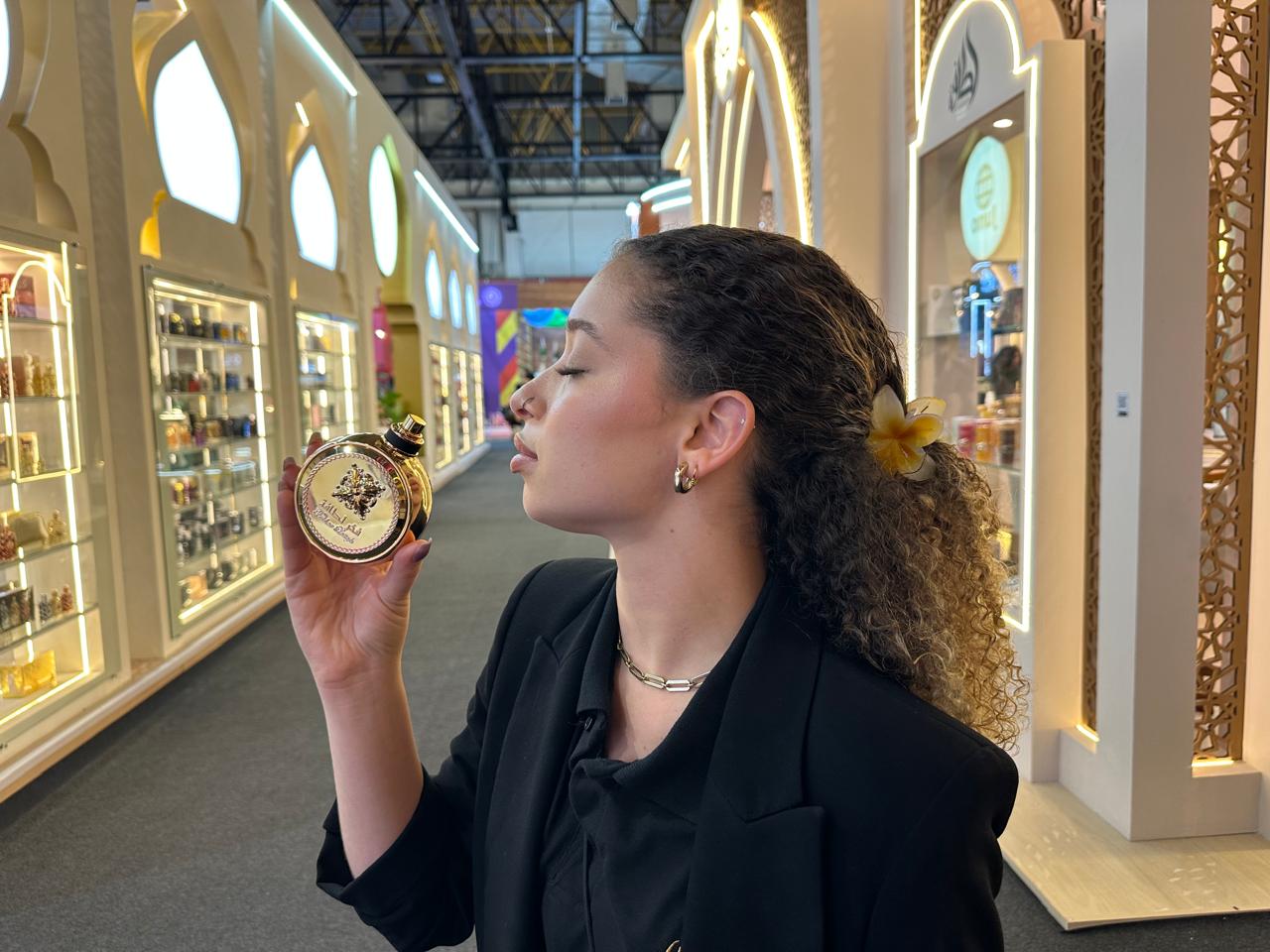
São Paulo – A few years ago, Arab perfumes were just a small part of the vast universe of foreign fragrances available in Brazil. That reality is now behind us and is set to change even further. A clear demonstration of this is the Perfume Sector at the Beauty Fair, taking place through Tuesday (9) at Expo Center Norte in São Paulo, with dozens of Middle Eastern brands exhibiting—some making their debut, others already established but presenting new releases.

Some Arab perfume names have already made their mark in the minds of Brazilians, but judging by the latest announcements from importers and distributors, consumers will still face a flood of new products to discover and evaluate. Experts believe that the country’s taste for Oriental fragrances is not temporary—it’s here to stay, though the market itself will determine which ones endure.
Juno Importadora is one of the Arab perfume exhibitors at Beauty Fair, energizing the sector with new releases. The company imports Armaf fragrances by the Sterling Parfums Group, based in the United Arab Emirates, and in addition to bringing new perfumes from this brand to Brazil for launch at the São Paulo fair, it is also presenting Hamadi fragrances by the same group.

According to Juno’s Training and Development Manager, Samaritana Moraes, sales at the fair have exceeded expectations, the launches have been very well received, and Hamidi’s performance has surprised. “Hamidi is an alcohol-free line, and people are usually a bit resistant to that, but it’s being very well accepted,” she said. The perfumes are water- and essential-oil-based, and halal, meaning suitable for Muslim use. But the manager noted that the acceptance has come from the general public.
Another Arab perfume brand that is already part of the Brazilian imagination and brought new releases to the fair is Lattafa. Importing firm Rebaj, owned by businessman Samir Jaber and present as an exhibitor at Beauty Fair, will bring Lattafa perfumes to Brazil. He already imports the Maison Alhambra and Ard Al Zaafaran lines by the Lattafa Group and will now import perfumes under the group’s own flagship brand, Lattafa. “It seems that Lattafa has entered most people’s hearts, and that’s why I see a bright future for our project, for this brand, and for other brands we’re also considering bringing,” he said.

Another company present at the fair with Lattafa is importer and distributor World Scentz, which works exclusively with Arab perfume brands. “We see a strong and growing trend, likely over the next five years, in the consumption of Arab perfumery in Brazil,” says Aurora Mirian Pestana from World Scentz’s Marketing department. The company showcased two new fragrances by Lattaffa at the fair: Eclaire Banoffi and Eclaire Pistache. “These’re gourmet fragrances, which are becoming trends for 2025 and 2026—sweeter scents inspired by desserts,” says Pestana.
Businesswoman Julia de Biase, who owns a store selling perfumes and other Arab products in the Jardins district of São Paulo, was also present at Beauty Fair. At her store, she sells Lattafa Group perfumes such as Maison Alhambra and Ard Al Zaafaran, along with a range of fragrances from Bahrain, Saudi Arabia, and the UAE, as well as her own brand called Al Zahra. Biase began working with Arab perfumes before the current global trend, having made her first import in 2013. “When they first arrived in Brazil, I remember people had never even heard of Arab perfumery,” she recalls. Her store, now called Al Ward, opened about two years later and now offers a wide selection of Oriental fragrances.
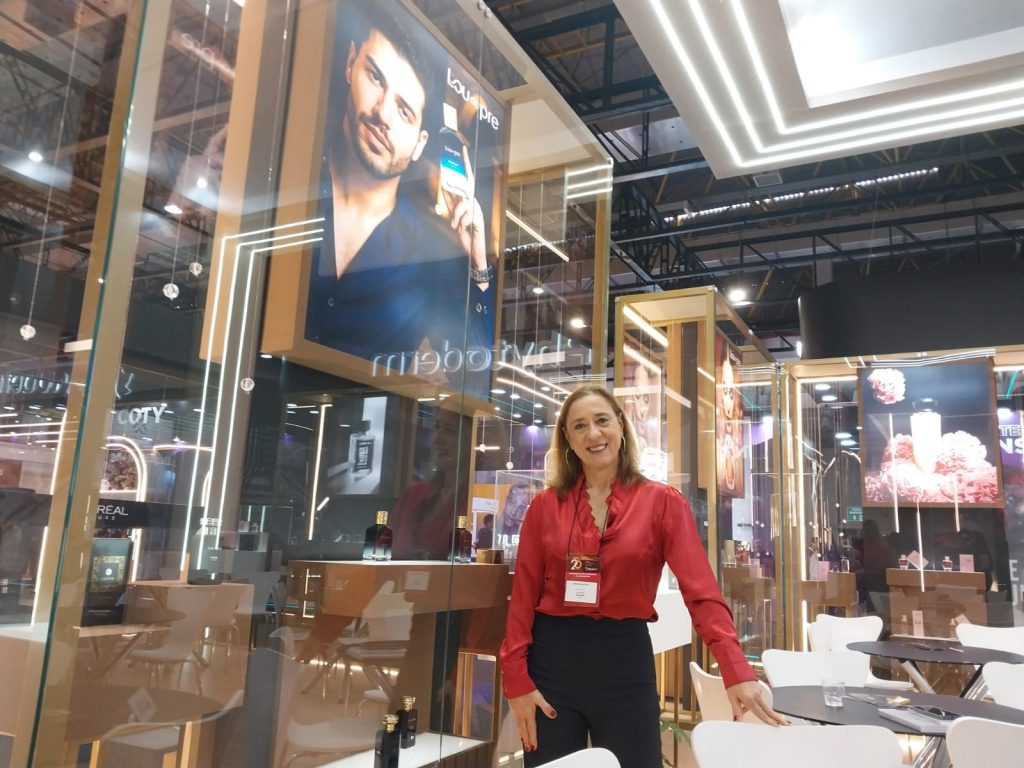
One of the companies with extensive experience in Arab perfumes is BR Brand Import. The company imports and distributes Khadlaj and Style & Scents perfumes, as well as Lou de Pre by Polish group La Rive, also inspired by Middle Eastern culture. The company’s consultant, Marcia SantAna, believes Arab perfumes have done so well in Brazil because it is a tropical country, where people enjoy bold, long-lasting fragrances with strong projection. “We don’t just wear a perfume for ourselves—we like to show we’re wearing it, and Arab perfumery is exactly that because it offers highly concentrated perfumes,” says SantAna.
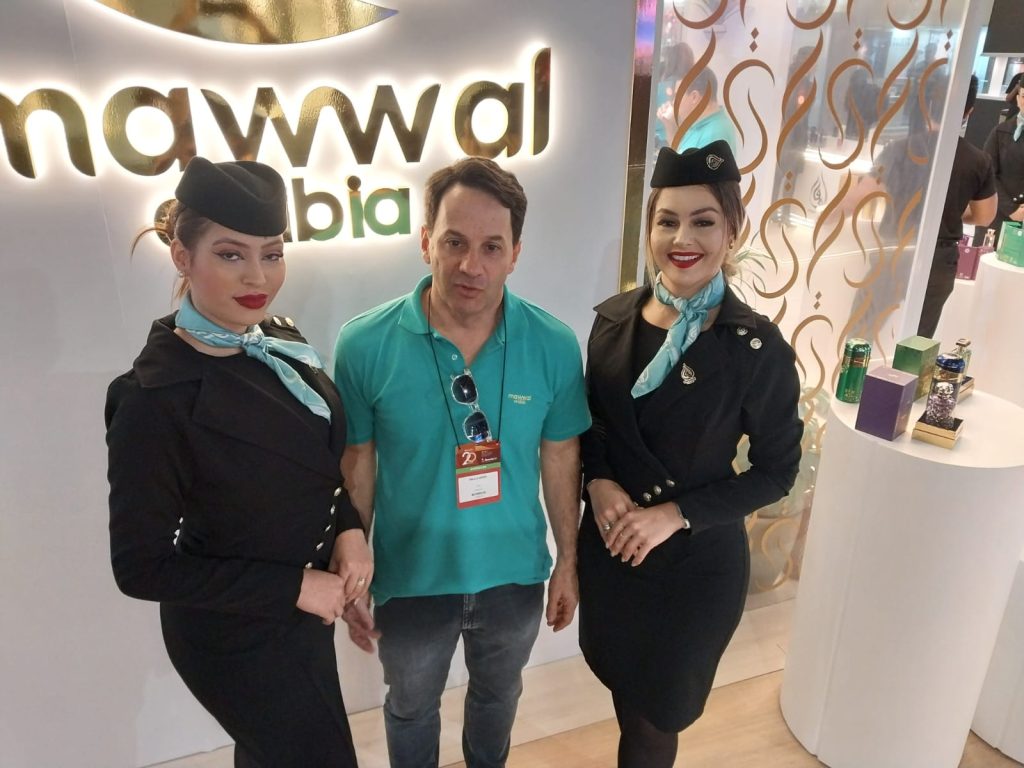
One of the new Arab perfume companies exhibiting at Beauty Fair is Mawwal Arabia, founded in Dubai, UAE, last year. The company arrived in Brazil in January and unlike most brands, instead of working through distributors, established itself in São Paulo to explore the Brazilian market with its own branches. The company sells its products through digital platforms, retail networks, and door-to-door via sales consultants, according to CMO Paulo Isper. He explains that door-to-door sales have evolved over the years, and the consultants now have their own digital channels. “They’re not just salespeople; they’re brand ambassadors,” says Isper.

Bio Company is also showcasing new Arab perfumes at its booth at Beauty Fair. The importer and distributor works with Al Haramain and launched Al Khaleej perfumes at the fair, both from Dubai, UAE, while also handling other international non-Arab brands. “Al Haramain is a very traditional Arab brand with a long history; it didn’t come out of this trend—it has existed since 1970,” says Bio Company director Claudia Fernandes, referring to the brand, which offers premium perfumes sold in luxury perfumeries. Al Khaleej, on the other hand, has a more modern profile.
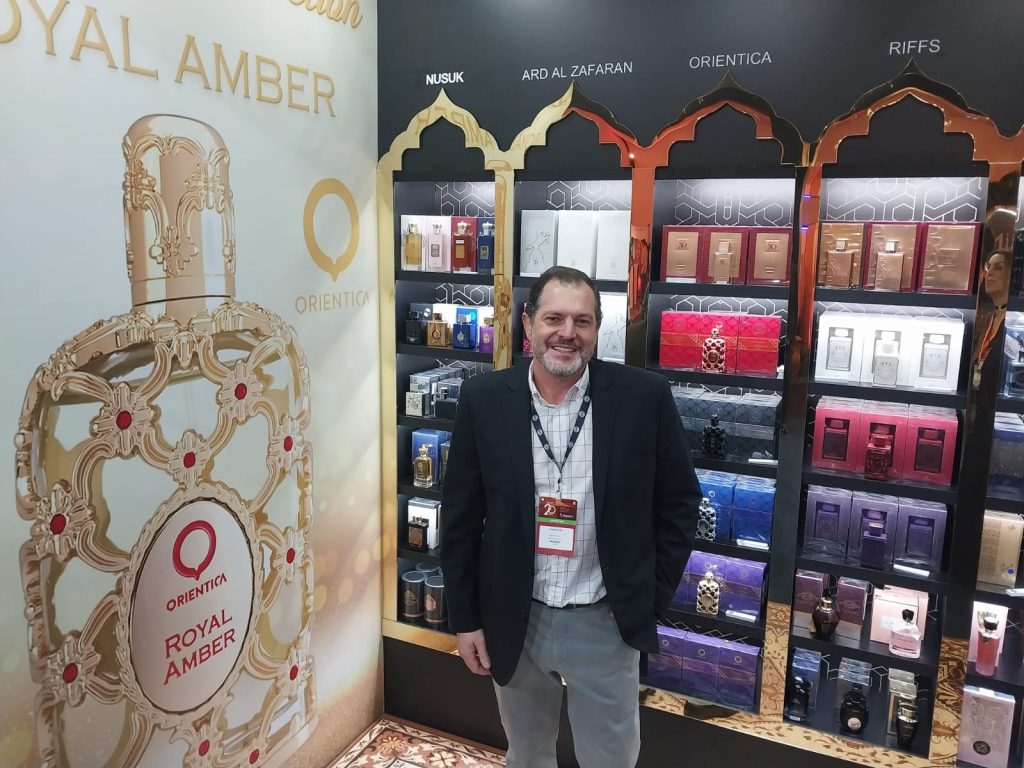
A major distributor in the segment, entrepreneur Igor Bacchi has noticed that the consumption of Arabic perfumes is still growing in Brazil. However, he believes that the national market will retain only those perfumes that are true brands—ones with established branding and the ability to set trends. Bacchi is the general director of BIM Distribuidora, which handles 120 perfume brands, including the major international references in the segment. Arab brands distributed by BIM include Riffs, Nusuk, Al Wataniah, Orientica, Armaf, Maison Alhambra, and Ard Al Zaafaran. “It’s still a growing market. Brazil is a continental country, and trends don’t reach all regions at the same time,” he told ANBA about Arab perfumes, highlighting the ongoing potential of this market.
Read more:
New ARMAF perfumes launched in Brazil
Translated by Guilherme Miranda
