



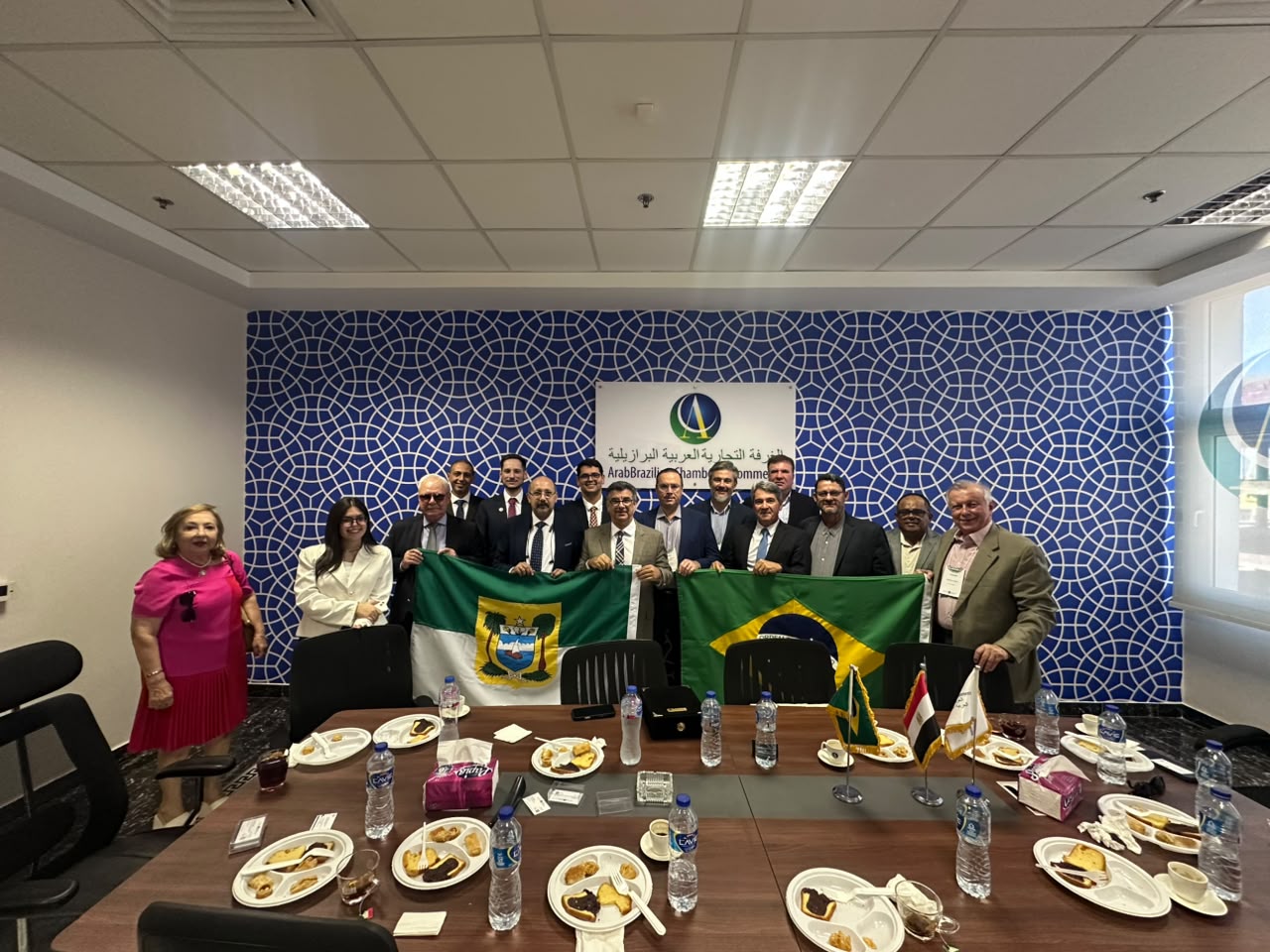
São Paulo – Companies and industry organizations from Brazil’s northeastern state Rio Grande do Norte state are taking part this week in a mission to Egypt to seek contacts and partnerships with local businesses and learn about farming and irrigation systems used in the country, whose climate has characteristics similar to those found in Brazil’s semiarid region. The trip is organized by the Arab-Brazilian Chamber of Commerce (ABCC) in partnership with the Sebraee-RN which promotes the competitiveness of small businesses, and the agriculture federation FAERN.
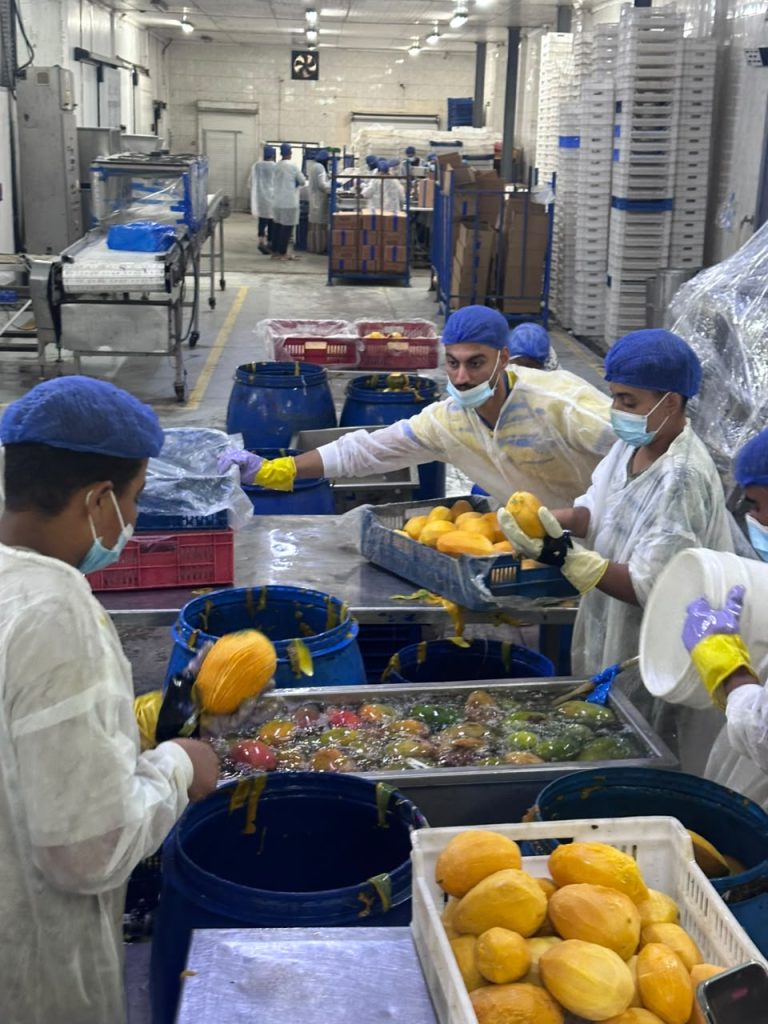
According to Gustavo Fasanaro, senior international business consultant at the ABCC, the main goal of the trip is to establish an “agricultural benchmarking” opportunity for Brazilian companies to learn about irrigation systems used by Egyptian producers. Many companies use water from the Nile River to grow a variety of fruits and vegetables, including citrus, strawberries, potatoes and garlic.
“The mission is also a great networking opportunity, bringing agricultural industry leaders together and connecting Egyptian businesses with initiatives that Rio Grande do Norte may potentially support,” Fasanaro said. He added that a local businessman expressed interest in investing in Brazil.
“It is also worth highlighting the free trade agreement between Mercosur and Egypt. This month, the agreement reached the final stage of tariff elimination, meaning the import tariff between Brazil and Egypt fell to zero. One of the main goals of the mission is to showcase this opportunity to Brazilian businesses and bring the Brazilian and Egyptian business sectors closer together,” he said.
The trade agreement between Egypt and Mercosur, a bloc comprising Brazil, Argentina, Uruguay and Paraguay, took effect in 2017, with import tariffs gradually reduced over the years until reaching zero in September. Since the agreement took effect, trade between Egypt and Brazil has grown.
According to data from Brazil’s Ministry of Development, Industry, Trade and Services, compiled by the ABCC’s Market Intelligence team, Brazil exported USD 2.4 billion to Egypt and imported USD 155.4 million in 2017. Sugar, beef and corn were Brazil’s main exports, while fertilizers led Egyptian sales. In 2025, Brazil exported USD 3.7 billion and imported USD 1.3 billion. Corn, sugar and ore led Brazilian exports to the Arab country, which increased sales of fertilizers and petroleum products.
FAERN President José Álvares Vieira said Egypt “is a true gateway to opportunities for Brazil across all sectors.” “It is a valuable experience to learn how and with whom we will conduct future export and import business. We have businesspeople here who are identifying import opportunities, as the tax rate for Brazil is zero. This shows the great potential for trade relations,” he said.
He noted that a widely used irrigation system in Egypt, particularly among small farmers, is flood irrigation, in which a layer of water covers the farmland. In Brazil, he said, other methods are used, such as center-pivot, drip and micro-sprinkler irrigation, which consume less water.
The mission’s schedule included a meeting with Brazil’s ambassador to Egypt, Paulino Franco de Carvalho Neto, visits to food distribution centers, small, medium-sized and large farms, and the ABCC’s Cairo office. Also taking part in the trip are Michael Gamal Kaddes, director of the ABCC in Cairo; Rio Grande do Norte state secretary for agriculture, livestock and fisheries Guilherme Moraes Saldanha; and representatives of Sebrae Alagoas and companies Grupo Saldanha, Vilac Citrus, Viva Agrícola, Pereira & Silva Agrícola and Pioneira Agrícola.
Read more:
Mercosur–Egypt scraps final trade tariffs
Translated by Guilherme Miranda
