


São Paulo – Oman, an Arab Gulf country, recorded real GDP growth of 3.8% in the first half of this year and is expected to end 2026 with 4.5% growth. The projections were released on Monday (9) by the International Monetary Fund (IMF), following a mission to the country led by Abdullah AlHassan and completed on Sunday (8).
After the mission ended, AlHassan said Oman’s economic growth accelerated in 2025 and remained resilient in the first half of 2026, with stronger hydrocarbon production offsetting weakness in construction, manufacturing and tourism.
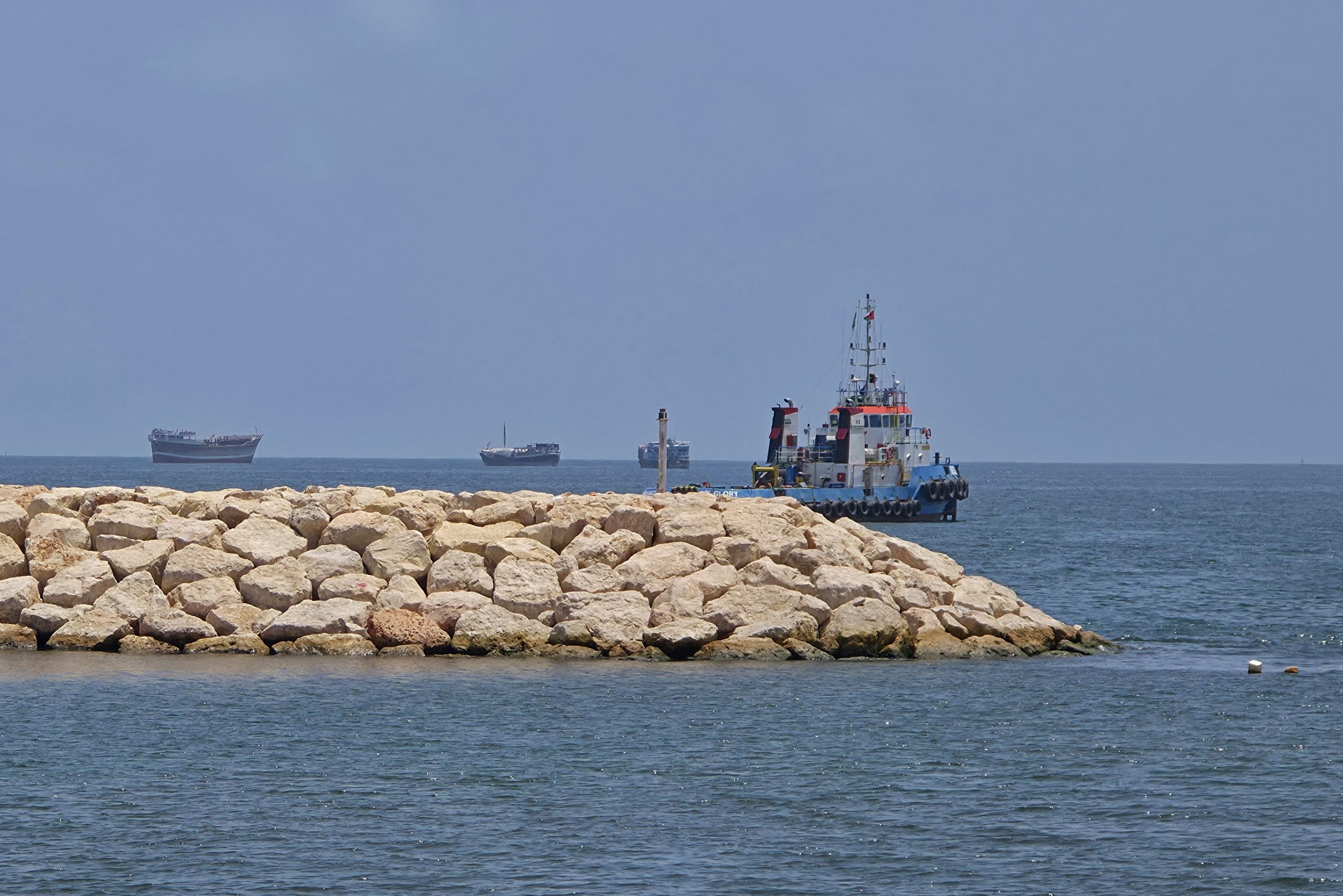
The country lies near Iran, which is at war with the United States and Israel, and was itself targeted by Iranian attacks during the conflict. Although Oman borders the Strait of Hormuz, it also has an extensive coastline directly on the Arabian Sea, entirely outside the strait.
“The economic outlook remains favorable, despite heightened uncertainty. GDP growth is projected to accelerate to 4.5% in 2026, driven by stronger hydrocarbon activity and sustained nonhydrocarbon growth of 1.4%,” the mission chief said.
According to AlHassan, Oman’s inflation stood at 1% in 2025 but rose to around 3% from January to September this year, mainly reflecting higher food and transportation costs. The country’s fiscal and external balances remained in surplus. Inflation is expected to average 3% this year before falling to 2% over the medium term. Oman’s fiscal balance is expected to remain robust.
The mission chief stressed that fiscal policy in 2026 aims to mitigate the impact of the war.
Any additional support for vulnerable households and viable firms should be temporary, targeted, transparent, and accommodated through expenditure reprioritization,” he said. He called for additional oil revenues to help rebuild reserves, creating room for investment in resilience and diversification. Over the medium term, AlHassan called for sustained implementation of fiscal reforms.
The IMF mission chief concluded that rising regional and global uncertainty underscores the need to accelerate economic transformation and strengthen the country’s resilience under Vision 2040. Vision 2040 is a strategy for knowledge-based economic diversification.
“Looking ahead, priorities include enhancing the efficient allocation of economic resources, reducing the state’s footprint where private participation is viable, advancing labor market reforms, fostering trade integration, and strengthening resilience to natural disasters,” he said.
Read also:
Oman’s industrial cities attract USD 790 million
Translated by Guilherme Miranda

