


São Paulo – The seminar “Tourism and international business: Brazil and Arab countries” presented this Friday (20) the opportunities and challenges for the sector in Brazil. At the event, organized by the Arab-Brazilian Chamber of Commerce (ABCC) in São Paulo, the National Secretary for Infrastructure, Credit and Investment in Tourism, Carlos Henrique Menezes Sobral, presented sector data and highlighted where opportunities lie in the country: in 2025, Brazil welcomed a record 9.3 million foreign tourists, who spent nearly USD 8 billion. This year, Sobral said, the number of foreign visitors is expected to exceed ten million.
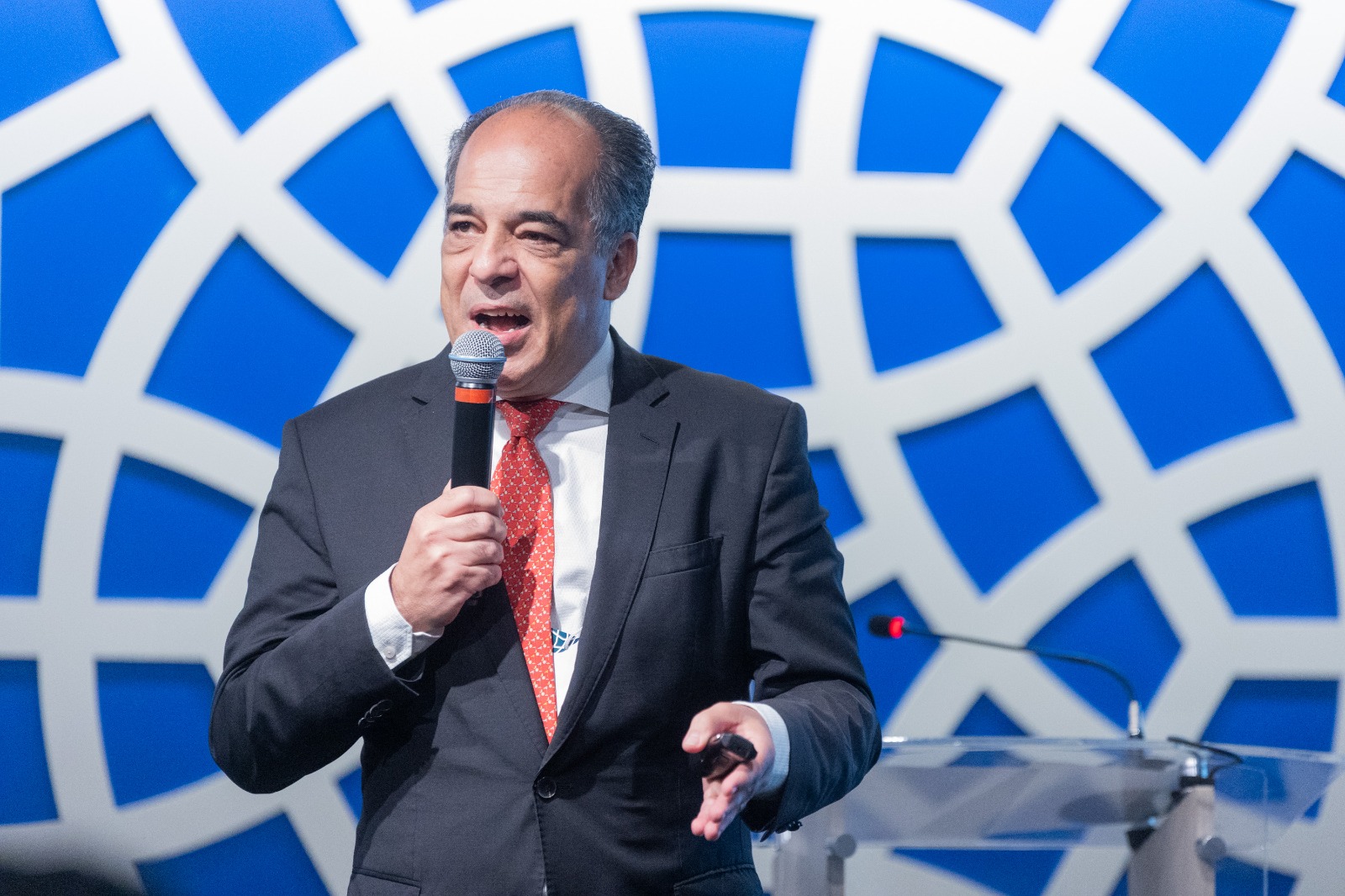
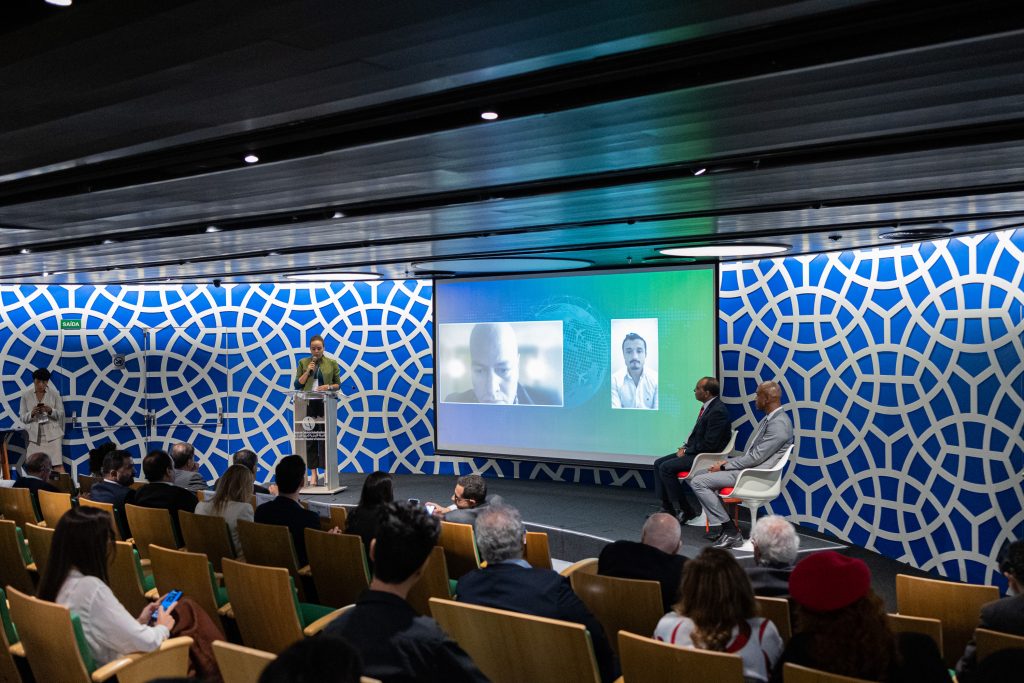
The event was attended by Tourism Minister Gustavo Feliciano and, via a recorded video message, UN Tourism Secretary-General Shaikha Al Nuwais, as well as the president of the ABCC, William Adib Dib Jr., and the institution’s vice president of International Relations and secretary-general, Mohamad Orra Mourad. Following remarks by Feliciano and Dib, Sobral opened the first panel of the event: “Investment Portfolio & Investment Portal and Guide by the Ministry of Tourism.”
The Brazilian government, Sobral said, has projects to expand tourism infrastructure, offers credit lines for the sector, and is seeking foreign investment. “The focus is on attracting private investment to tourism. Brazil is being seen as a country that attracts investment. Major hotel chains are investing in the country, in projects in the Northeast and in São Paulo. We have growing demand, structuring projects, and opportunities,” he said.
Fernando Masuela, head of Multinationals and the MENA division at Bahrain-based Banco ABC, said tourism in Brazil has great growth potential but remains “underexplored.” Masuela noted that the sector is expected to expand in the coming years given Brazil’s continental size and cultural diversity. He pointed to luxury and experiential tourism, as well as investments in logistics infrastructure, as segments with strong expansion potential. “The growth potential [of tourism] is huge, but it needs capital from investment banks,” he said.
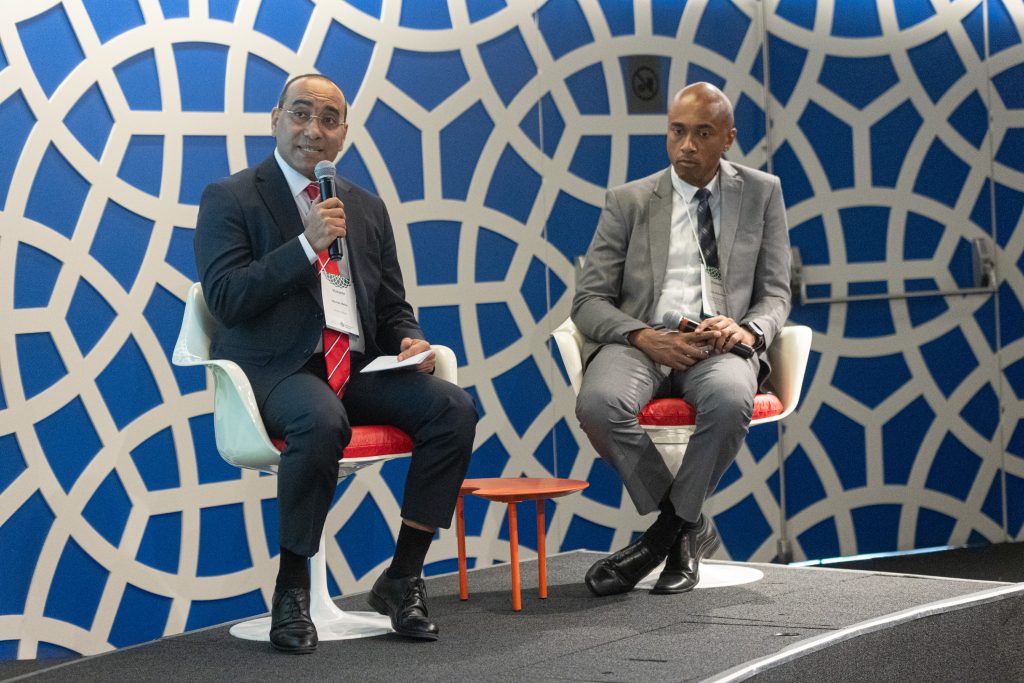
The second panel, “Global Air Bridges: Logistics connectivity and the flow of investment between Brazil and the Arab world,” featured representatives from tourism bodies and Royal Air Maroc. Luis Sobrinho, a consultant for the São Paulo State Tourism Secretariat and the São Paulo State Agency for Investment Promotion and Competitiveness (InvestSP), presented the state’s infrastructure as well as opportunities to develop tourism in São Paulo.
Mohamed Amine Eljoudani, representative of the Moroccan tourism office in Brazil, shared the institution’s experience in the country. Morocco, he said, decided to expand its tourist outreach in the post-pandemic period in markets with strong purchasing power or rapid growth. As a result, it opened offices in Japan, South Korea, India, and Brazil, in São Paulo. In 2023, he noted, Morocco received 34,000 Brazilian tourists, a figure that approached 60,000 in 2025.
“Brazil is a resilient market, and we are confident that this growth trajectory will continue in the coming years,” he said. Amine noted that the institution has worked alongside Brazil’s tourism industry, promoting trips to Morocco and providing training so travel agents can “sell” Morocco as a destination to their clients.
Another factor behind the increase in travel exchange between Brazilians and Moroccans, said Royal Air Maroc’s regional director for South America, Othman Baba, was the establishment and expansion of the airline’s flights to the country. After suspending its operations in Brazil during the pandemic, the airline resumed flights in 2024 and, the following year, increased frequency from three to four weekly flights.
The increase, the executive said, raised seat capacity to 130,000 per year, up from 85,000 when the airline operated three weekly flights to São Paulo. “We’ve observed a shift in the passenger profile, now made up of more business travelers and trade missions,” Baba said. He also shared the profile of the Arab traveler: a preference for exclusive destinations, a complete travel experience, and high standards. “That’s why we invest in connectivity,” he added, citing connecting flights to the Arab world via its Casablanca hub.
Jin Bruno Petrycoski, municipal secretary of tourism of Foz do Iguaçu, southern state Paraná, said the city is investing in attracting Islamic tourists. The city is home to a large Muslim community. Among the initiatives are a halal tourism guide, launched in 2024, featuring halal-friendly destinations in the city, and plans to create an Arab neighborhood. In addition, he said, Foz is investing in attracting flights from international airlines.
In addition to Dib and Mourad, the ABCC was represented at the seminar by treasurer Mohamad Abdouni Neto and board members Claudia Yazigi Haddad, William Atui, and Arthur Jafet.
Read more:
Brazil signs deal to attract Arab tourists
Translated by Guilherme Miranda
