



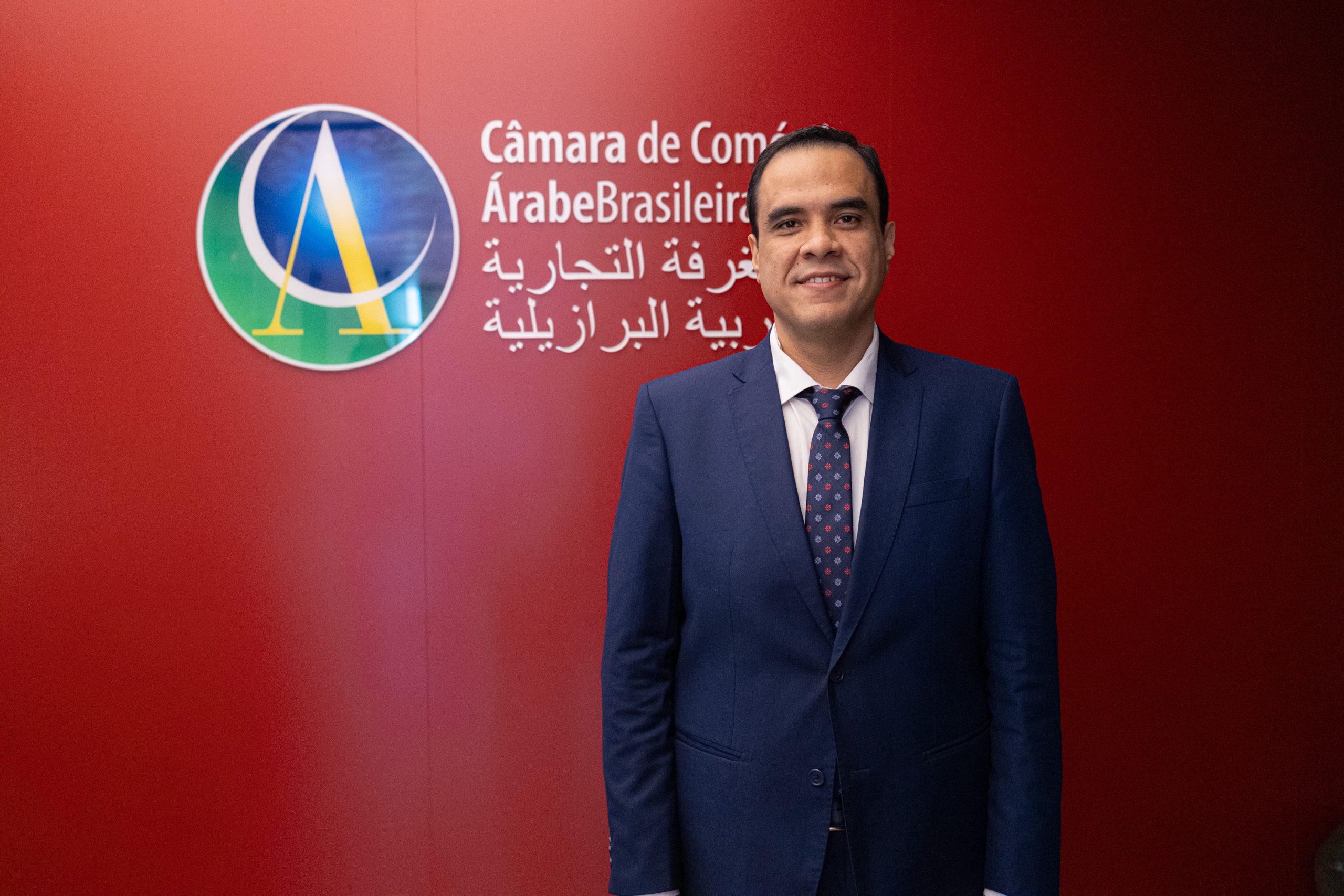
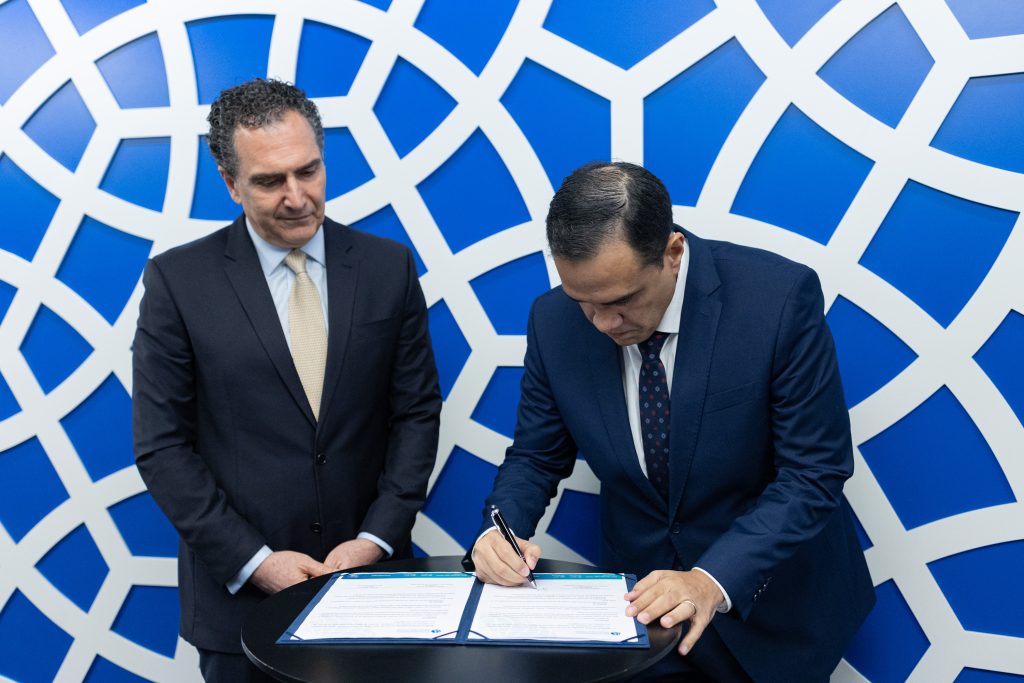
São Paulo – Brazil’s Ministry of Tourism signed a memorandum of understanding with the Arab-Brazilian Chamber of Commerce (ABCC) on Friday (20) to work jointly on attracting Arab investment to the sector and visitors from the region to Brazil. “Tourism aimed at the Arab public is one of the fastest-growing segments in the world. Brazil is attentive to this trend and is working to position itself as a prepared, welcoming, and competitive destination for this audience,” said Tourism Minister Gustavo Feliciano at a seminar held at the ABCC’s headquarters in São Paulo, where the agreement was signed.
Citing tourism as one of the activities that most generate jobs, income, and development worldwide—and one that is consolidating itself as a strategic driver for countries’ attraction and international integration—Feliciano outlined the government’s intentions in the sector with regard to the Arab market. “In this context, the government of President Lula seeks to strengthen ties between Brazil and Arab countries in tourism, broaden horizons, and build new opportunities for shared growth.”
The minister said the memorandum between the Ministry of Tourism and the ABCC will strengthen institutional cooperation between the organizations. “It paves the way for concrete actions such as the joint promotion of Brazil as a tourist destination, attracting investment to the sector, organizing business missions and matchmaking events, and sharing market intelligence,” he said.
Feliciano said Brazil was the country with the highest growth in attracting inbound passengers last year, with a 37% increase compared to 2024, according to UN Tourism data. “The second-place country, Egypt, recorded a 20% increase,” he noted, emphasizing that Brazil grew nearly twice as much. “This shows Brazil is on the right track. We want investors and tourists to find in Brazil not only opportunities, but also confidence, security, and long-term partnership,” the minister said.
In an exclusive interview with ANBA, the minister highlighted the economic potential of Arab tourists, citing a study indicating the figure will reach nearly USD 300 billion by 2028. He said an event like this—such as the seminar at the ABCC, which also addressed tourism—helps ensure Brazil is prepared both to receive investment and to welcome Arab visitors.
Feliciano told ANBA that, following the memorandum with the ABCC, joint promotion efforts and Brazil’s adaptation to the Muslim-friendly standard will move forward. The term refers to places, products, and services tailored to Muslim practices, such as hotels with prayer spaces and halal food. “It’s important for us to bring this label, this certification, to our tourism chain,” the minister said.
Some Arab countries are experiencing an unusual moment, with their territories being attacked by Iran amid the conflict involving the United States and Israel with the Persian nation. The minister said he is approaching the situation with great caution, noting that it is being monitored by Brazil’s foreign ministry and that there is official guidance advising people not to travel to the region. “But we can focus on those not affected by the conflict, obviously with great attention and care,” he said. The Arab League comprises 22 countries, and only some of them—mainly in the Gulf—are located in the conflict zone.
Arab-Brazilian Chamber
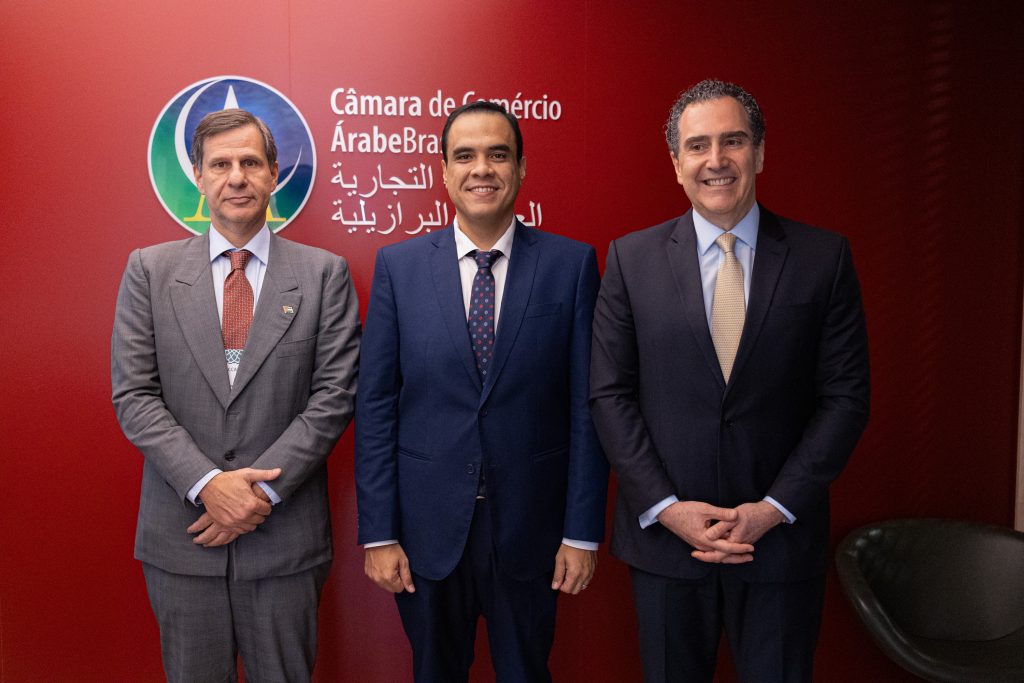
Tourism Minister Gustavo Feliciano signed the memorandum with the president of the ABCC, William Adib Dib Jr. Opening the tourism seminar, the ABCC’s president said the sector is one of the most important in the relationship between Brazil and Arab countries. “More and more Brazilians are discovering destinations in the region, such as Dubai, Abu Dhabi, Doha, Morocco, Tunisia, and Egypt, which today rank among the world’s leading destinations,” he said.
Dib said that, in the context of the transition to a post-oil economy, Arab countries have been investing heavily in tourism, and that Brazil has also been making significant efforts in this regard and is already seeing results. Even so, he sees enormous untapped potential between the regions and highlighted the signing of the agreement. “It is an important step in the effort to project Brazil internationally through tourism, but also to use the sector to foster the mutual development of Arab and Brazilian organizations, which is our mission,” he said.
UN Tourism
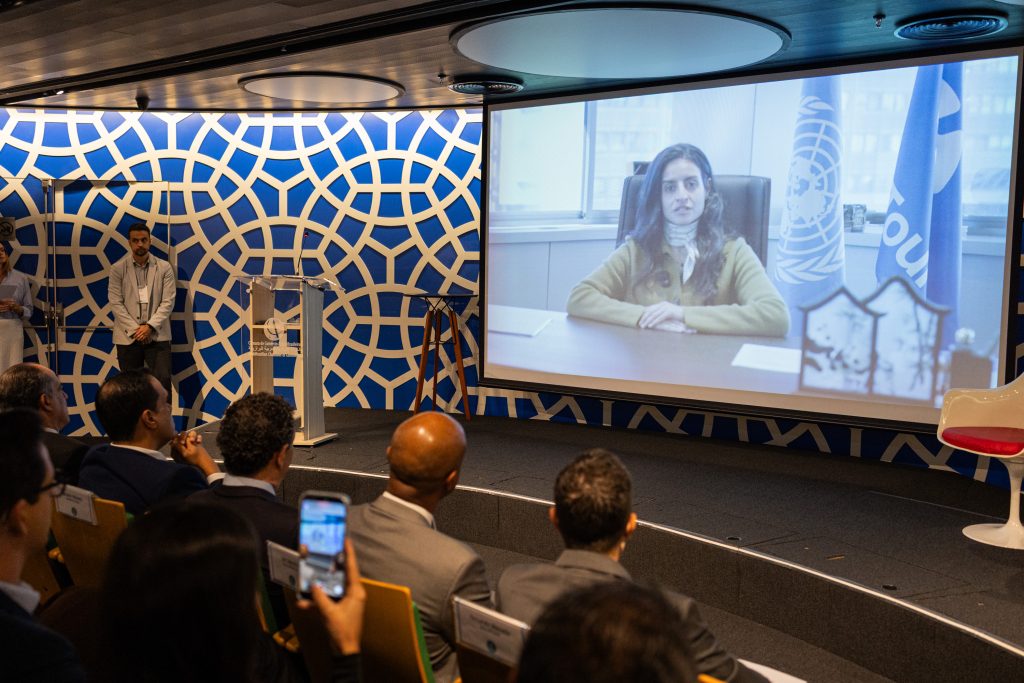
In addition to Dib and Feliciano, the opening of the seminar “Tourism and International Business: Brazil–Arab countries relations” also featured remarks by UN Tourism Secretary-General Shaikha Al Nuwais, from the United Arab Emirates. In a video message, Nuwais highlighted the ABCC’s work in connecting Brazil with Arab League countries for seven decades and the role of tourism worldwide. “Now, looking to the next seven decades, we recognize the vital role of tourism and the importance of promoting inclusive and resilient growth,” she said. The seminar also included two panels with industry experts as speakers.
Read more:
Brazil seeks investment in tourism
Translated by Guilherme Miranda
