



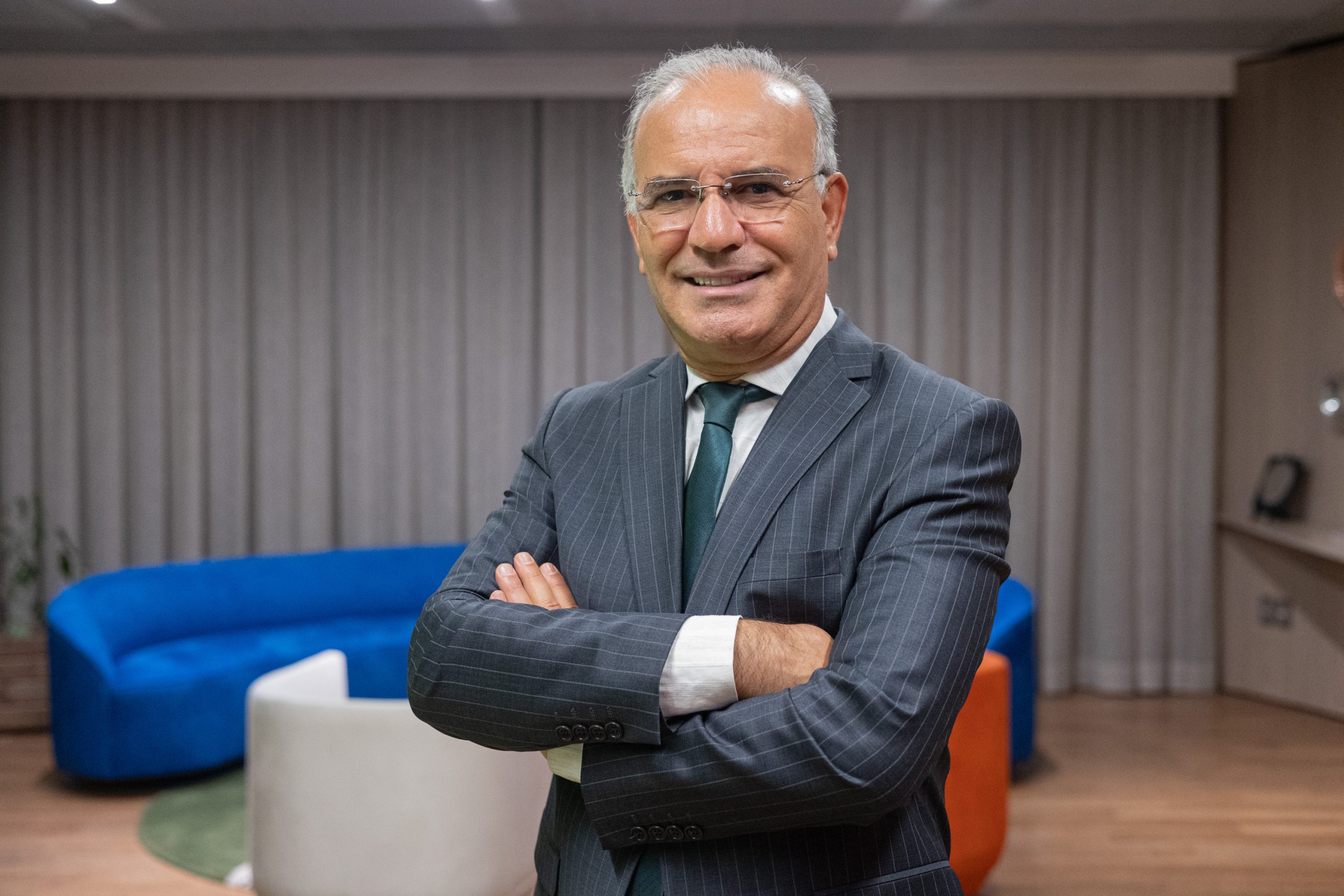
By Nabil Adghoghi*
Recent tensions in the Strait of Hormuz, combined with the disruptions to value chains seen since the outbreak of the war in Ukraine, have highlighted the direct impact of geopolitical threats on logistics corridors, energy markets, and industrial supply chains. As a result, governments and companies are diversifying their sources of supply, relocating production chains, and redesigning global trade routes.
Against this backdrop, Morocco is seeking to make the most of its strategic location at the crossroads of Africa, Europe, and the Americas, positioning itself as a global player in food security, air and maritime logistics, green energy, and sustainable mobility.
Casablanca is becoming an international aviation hub, with a target of 20 million passengers by 2029 and a fleet of 200 aircraft for Royal Air Maroc. The port of Tanger Med ranks among the world’s ten largest, handling nearly 11 million containers and hosting more than 1,500 companies in its 3,000-hectare industrial zone. Jorf Lasfar is the world’s leading hub for phosphate fertilizer production, while the Dakhla Atlantique port complex is set to become a logistics hub for West Africa and the Sahel from 2028 onward.
Marrakech attracts the largest share of the 20 million tourists who visit Morocco each year, and major global tourism groups have been making substantial investments across the country. Morocco is now a vast open-air construction site, with infrastructure projects underway nationwide in preparation for hosting the 2030 FIFA World Cup.
There are countless success stories that confirm Morocco’s current momentum and the soundness of the strategic choices made under the direct leadership of His Majesty King Mohammed VI: an extensive network of free trade agreements, particularly with the European Union and the United States; sustained attraction of foreign direct investment, especially from China; high-quality infrastructure; a strong orientation toward Africa; and a successful commitment to renewable energy, decarbonized industry, and biofertilizers.
A leadership position in food security
With more than 70% of the world’s phosphate reserves, Morocco is one of the leading players in the global fertilizer market. Between 2005 and 2025, its fertilizer production capacity increased fivefold, from 3 million to 15 million tonnes. In addition, investments in solar energy, green ammonia, and decarbonization reflect the Kingdom’s ambition to reconcile food security, industrial sovereignty, and the ecological transition.
A competitive logistics hub
Handling more than 11 million containers annually, with connections to over 180 ports in 70 countries and an industrial ecosystem comprising more than 1,500 companies, Tanger Med has become one of the world’s leading logistics hubs, linking Europe, Africa, the Americas, and Asia. Morocco’s logistics positioning will extend to the South Atlantic from 2028 through the Dakhla Atlantique port, whose mission will be to optimize maritime logistics corridors serving West Africa and the Sahel.
Within this logistics framework, Nador West Med will serve as the third pillar of Morocco’s port strategy. Located on the Mediterranean, this deep-water port complex is set to become a major hub for transshipment, industry, and energy. Its industrial and logistics zone is already attracting significant investment from China, particularly in the fields of green energy and electric mobility.
With Tanger Med, Dakhla Atlantique, and Nador West Med, Morocco is positioning itself as one of the leading logistics hubs of the Atlantic and Mediterranean regions.
A successful energy transition
Since 2008–2009, Morocco has undertaken a profound transformation of its energy model, aiming to capitalize on its 3,000 hours of sunshine per year and one of the Atlantic’s best wind corridors. The country has already surpassed 4,000 MW of installed renewable energy capacity and remains committed to increasing the share of renewables in its electricity mix to 52% by 2030. The Noor solar complex in Ouarzazate, along with the major wind farms of Tarfaya and Taza, are concrete examples of this momentum.
This strategy is also reflected in the launch of the “Morocco Offer” for green hydrogen. The country plans to gradually allocate one million hectares to projects related to this sector, including 300,000 hectares in the initial phase.
In 2025, Rabat approved potential investment projects worth USD 33 billion by international consortia, including a TotalEnergies project in southern Morocco aimed at producing 200,000 tonnes of green ammonia annually for export.
The cost of producing green hydrogen in Morocco could range from USD 1.5 to USD 2.5 per kilogram by 2050, making the country one of the most competitive players in the sector.
An attractive industrial platform
Morocco aims to secure a position within the value chains that will shape the decarbonized economy and has thus become an attractive destination for investment in electric mobility and low-carbon technologies.
This momentum is particularly evident in the partnerships developed with China. As the first African country to join the Belt and Road Initiative in 2017, Morocco has become an attractive platform for Chinese companies seeking to benefit from the free trade agreements Morocco has signed with the European Union, EFTA, the United States, and Africa through the African Continental Free Trade Area (AfCFTA).
From Tanger Tech to Kénitra, a comprehensive industrial ecosystem centered on electric mobility is gradually taking shape. The construction of a USD 1.3 billion battery gigafactory by China’s Gotion High-Tech illustrates the scale of this ambition. Germany’s Volkswagen holds a 25% stake in the company, demonstrating the growing convergence of European and Asian industrial interests around the Morocco platform.
Tire manufacturer Sentury Tire, leading global battery anode materials company BTR New Material Group, and braking systems manufacturer APG are also contributing to the development of a next-generation industrial ecosystem.
Morocco’s goal is to have a complete electric vehicle value chain in place by 2030, with a production capacity of 500,000 vehicles per year. This strategy builds on the strong performance of Morocco’s automotive industry, which produces around 700,000 vehicles annually and generates exports worth USD 16.5 billion each year.
*Nabil Adghoghi is Morocco’s ambassador to Brazil and dean of the Council of Arab Ambassadors in Brazil.
The opinions expressed in opinion articles are the sole responsibility of their authors.
Translated by Guilherme Miranda

