

São Paulo – Although Brazil’s footwear industry faced a challenging year in 2026, largely due to tariffs imposed by U.S. President Donald Trump in April 2025, its exports to other international markets—excluding Argentina and the United States—grew 3.8% from January to October compared with the same period last year.
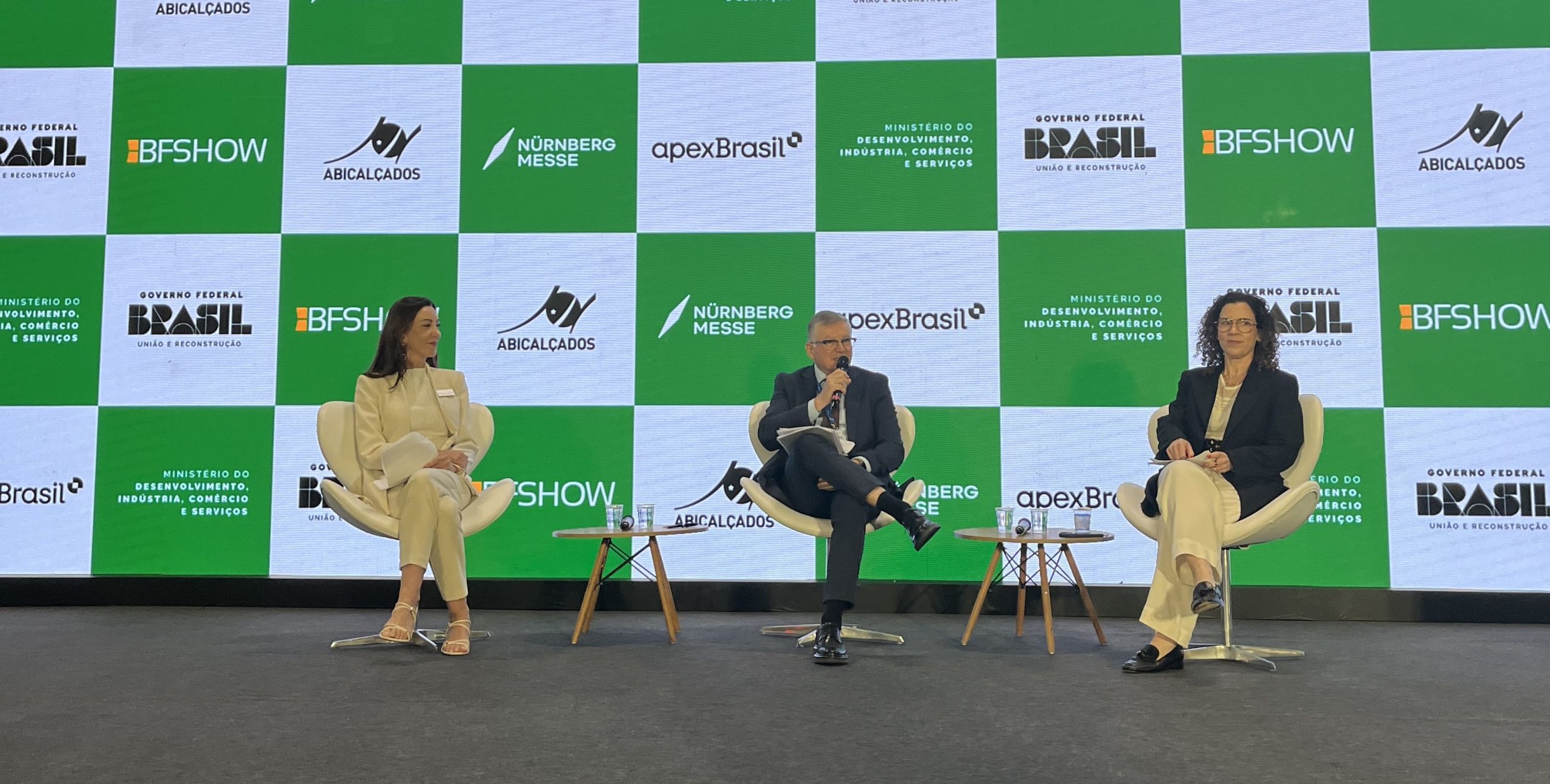
The information was provided by Haroldo Ferreira, executive president of the Brazilian Footwear and Leather Goods Industry Association (Abicalçados), at a press conference held during BFSHOW, the largest footwear trade show in Latin America, taking place at Distrito Anhembi in São Paulo from November 10 to 12. The U.S. and Argentina are the two main overseas markets for Brazilian footwear, but sales to both are declining this year, weighing on the sector’s overall export performance.
“We achieved these figures because, since the tariffs were imposed last year, we have focused on diversifying and exploring other markets, such as Europe, together with ApexBrasil. In partnership with the agency, we have also stepped up our efforts in countries such as Colombia, Chile and Uruguay, where we achieved growth,” Ferreira said of the increase in exports excluding the U.S. and Argentina.
From May, when the free trade agreement between Mercosur and the European Union entered into force, through October, Brazilian footwear exports to EU countries increased 36.3% in value and 35.5% in volume compared with the same period in 2025, according to data provided by Abicalçados.
Márcia Nejaim, head of the Southeast office of the Brazilian Trade and Investment Promotion Agency (ApexBrasil), who attended the BFSHOW press conference, spoke about the importance of market diversification.
“The footwear industry is very important to Brazil and the West. After all, we are the world’s fourth-largest market. With that in mind, market diversification is an interesting way to generate new revenue. Since the domestic market is cyclical, doing well at one point and poorly at another, it is essential to diversify and open up new markets,” Nejaim said.
“It is a great satisfaction for ApexBrasil to continue supporting the sector. So, with or without tariffs, we will move forward, and I am sure that with these new market opportunities, we will not only diversify but also further increase exports,” she said.
Finally, Nadja Bento, COO of NürnbergMesse Brasil, shared her assessment of the 7th edition of BFSHOW. The trade show is promoted by Abicalçados and organized by NürnbergMesse Brasil.
“With the goal of bringing producers closer to buyers, strengthening business relationships and creating new business opportunities, we brought in around 850 domestic and international buyers, making this the largest buyer project we have ever organized.”
Outlook
Despite the decline in Brazilian footwear exports from January to October this year compared with the same period last year—totaling 87.8 million pairs and USD 708.4 million, down 6.2% and 13.5%, respectively—Ferreira forecast growth in the sector’s sales in 2027.
“As we are managing to regain some ground in the international market, we expect exports to grow by more than 2.6% in 2027. If we can resolve our biggest problem with the U.S. market, the tariffs, exports should grow by more than 6%,” he said, referring to the sector’s growth prospects.
For Arab markets
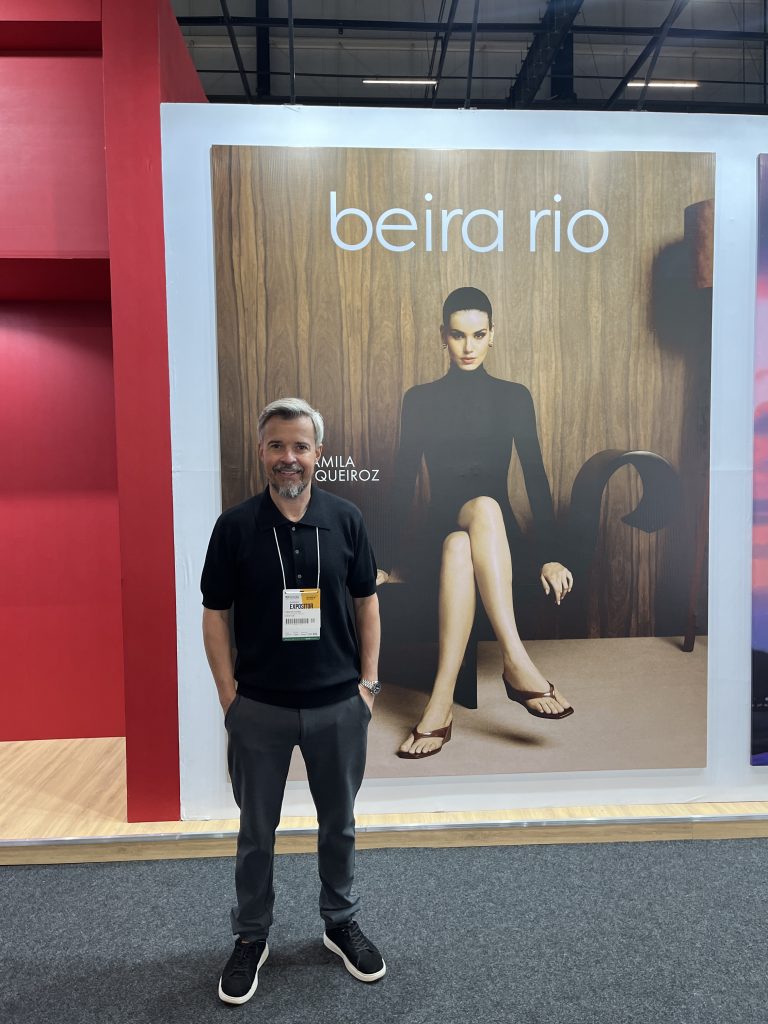
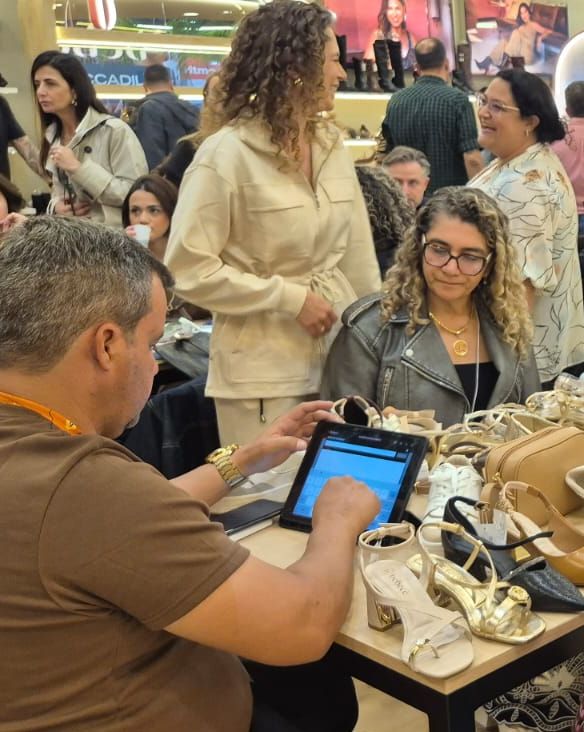
Fábio Oliveira, Middle East Commercial Analyst at Beira Rio, said the Arab market, which the company has been working with for more than 20 years, is strategic for the group’s brands. According to him, Dubai, in the United Arab Emirates, stands out as a fashion hub, and Beira Rio holds its own event in the emirate, the Dubai Fashion Movement.
In addition to its presence in the UAE, the Brazilian company also exports its footwear to consumers in other markets in the region, such as Kuwait and Saudi Arabia. According to him, the Arab market is very similar to the Brazilian market, so there is no need to adapt the footwear. The analyst said summer products are consumed in the region year-round.
Report by Rebecca Vettore, in collaboration with ANBA.
Translated by Guilherme Miranda
