



São Paulo – Brazil’s economy has shown “remarkable resilience” in the face of global uncertainty, but “meaningful” fiscal reforms will be essential to put public debt on a downward path. That assessment was released on Monday (1) by the International Monetary Fund (IMF), whose mission met with Brazilian authorities from May 18 to 29 to assess the country’s economic performance.
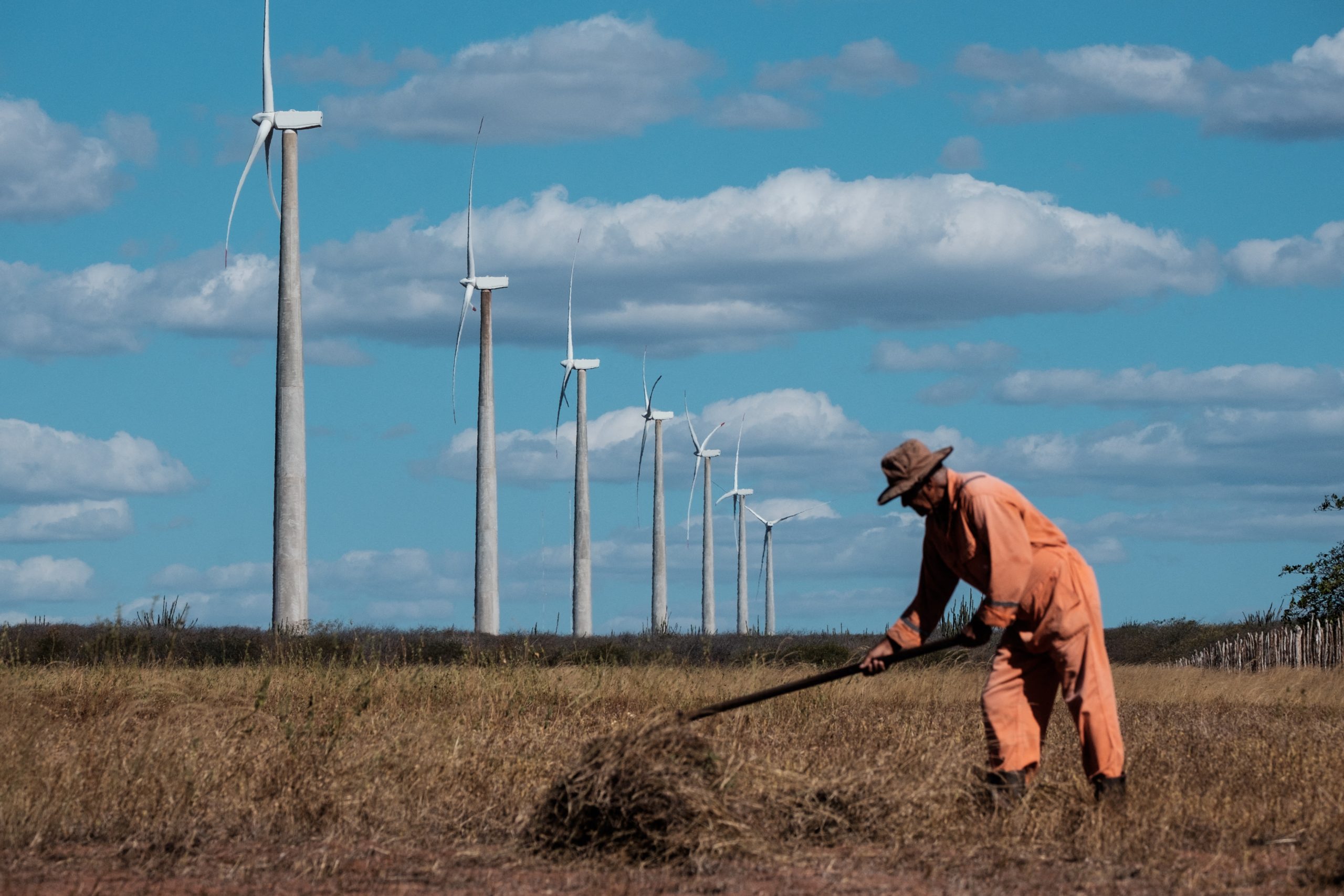
According to the final report signed by IMF mission chief for Brazil Daniel Leigh, the country is relatively shielded from global oil price increases for two reasons: it is a net exporter of oil and generates a large share of its energy from renewable sources such as hydropower and solar power.
“Growth slowed in 2025, reflecting the effects of restrictive monetary policy and reduced fiscal support, which helped lower inflation. High-frequency indicators point to an economic recovery in early 2026 and we project growth to strengthen gradually to about 2.5 percent over the medium term,” said Leigh.
The IMF’s assessment is that Brazil’s economy benefits from sound public policies, a robust and well-capitalized financial system, “adequate” reserves, and a floating exchange rate regime, all of which support resilience in the face of instability. The challenge, however, remains reducing public debt, which stands at 80.4% of gross domestic product GDP, according to Brazil’s Central Bank.
To reduce debt, the Fund recommends saving revenues generated from oil production and pursuing an ambitious fiscal consolidation effort supported by reforms aimed at reducing tax expenditures. The report also assesses that structural reforms and the green transition agenda underpin the country’s medium-term outlook.
“Continued efforts to improve the business environment, foster competition, increase labor force participation, and advance decarbonization policies would further strengthen productivity, investment, and inclusive growth,” the IMF said.
Read more:
Brazil’s GDP grows 1.1% in the first quarter
Translated by Guilherme Miranda

