


São Paulo – The film Calle Málaga (2025) portrays a Tangier resident’s struggle over her home in the northern Moroccan city. As Maria Ángeles, Spanish film star Carmen Maura conveys the despair of losing her home—her house, her Tangier, her daily life in an Arab city that, due to its proximity and historical ties to Spain, speaks both Arabic and Spanish.
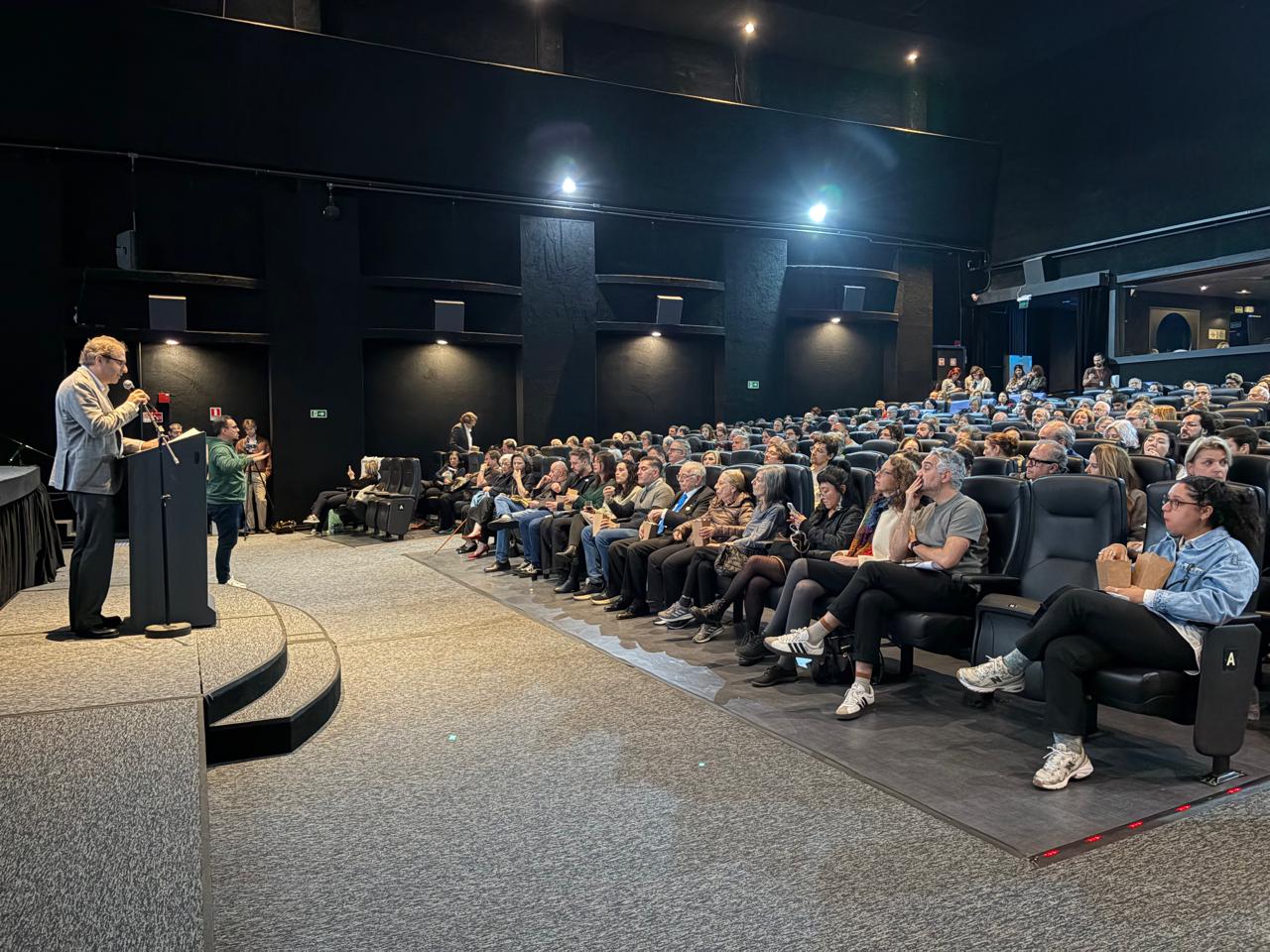
Belonging, family and anguish are among the themes explored in the film, which are also prominent in the other eight features selected for the 21st Arab World Film Festival. The event opened Wednesday night (2) at CineSesc in São Paulo with a screening of Calle Málaga, directed by Moroccan filmmaker Maryam Touzani. The film is a co-production between Morocco, Spain, France, Germany, and Belgium.
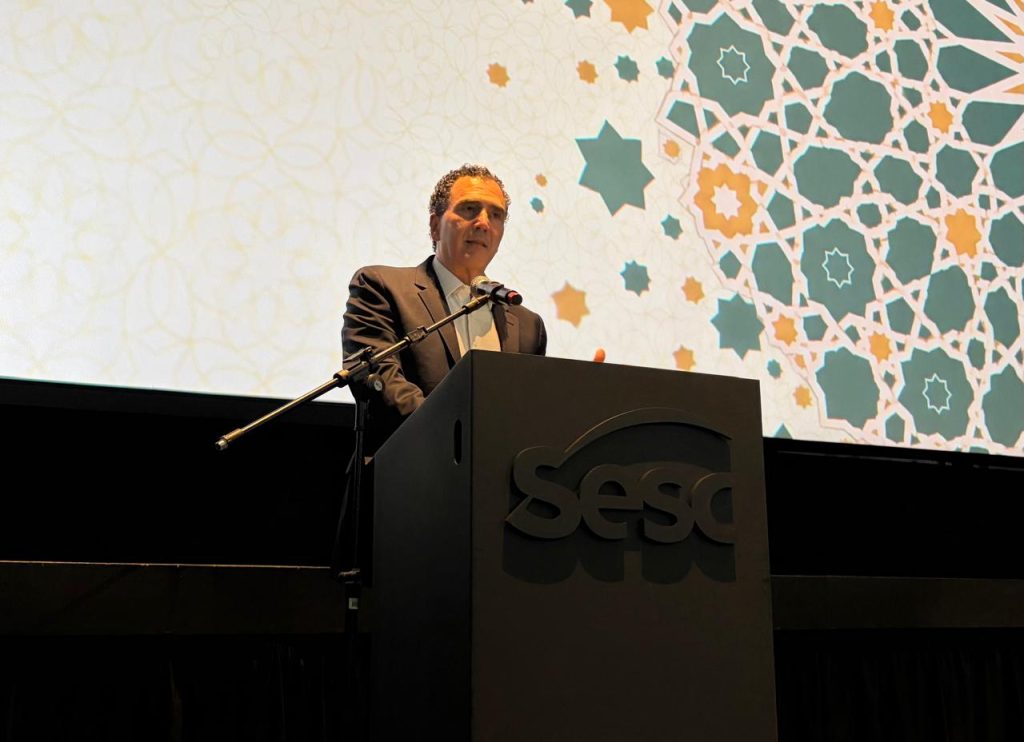
Presenting the films in the festival, curator and Arab-Brazilian Chamber of Commerce (ABCC) board member Arthur Jafet said the selection aims to showcase the plurality of the Arab world through filmmakers who examine their own societies and explore issues such as memory, family, territory and change.
“The selection does not seek to offer audiences a definition of the Arab world. It offers something more interesting: new ways of looking at it,” Jafet said in his opening remarks.
The festival will run at CineSesc from September 2 to 8, featuring nine films, seven of them Brazilian premieres, as well as discussions and conversations with audiences, filmmakers and researchers. Alongside Calle Málaga, the lineup includes Cotton Queen (2025), from Sudan; Hijra (2025), from Saudi Arabia; Irkalla: The Dream of Gilgamesh (2025), from Iraq; Life After Siham (2025), from Egypt; My Father’s Scent (2025), also from Egypt; Sophia (2025) and Where the Wind Comes From (2025), both from Tunisia; and Souraya, Mon Amour, from Lebanon and Qatar. The full program is available here.
Icarabe President Natalia Calfat said the festival is a space for audiences to connect with themselves and “look inward.”
“The festival is, above all, an intercultural space for mutual reflection, but much more than mere empathy. It is about looking at others in order to transform oneself and bring about that change internally,” she said.
ABCC President William Adib Dib Jr. said the festival is an opportunity for São Paulo’s Arab community to celebrate its heritage and history.
“But the Arab World Film Festival goes beyond celebrating our roots, as it opens a window for Brazilians to engage with the cultural reality of Arab countries and learn about their stories, challenges, dreams and the richness of their artistic expressions,” he said.
Festival founder Soraya Smaili recalled the challenges of organizing the event in its early years and thanked the people and institutions that make it possible every year.
SESC São Paulo Deputy Manager for Cultural Action Fabrício Floro said the film selection is an opportunity to expand access to a cinema little represented in Brazil’s commercial circuit and to contribute to recognizing the diversity that makes up what is called the Arab world.
“By promoting this gathering, we also create opportunities for simplifying representations to give way to other images, voices and experiences,” Floro said.
In addition to Dib and Jafet, the ABCC was represented at the event by Vice President of Marketing Silvia Antibas, Administrative Vice President Nahid Chicani, and Treasurer and board member Mohamad Abdouni Neto.
Read more:
Book features Middle Eastern short stories
Translated by Guilherme Miranda
