



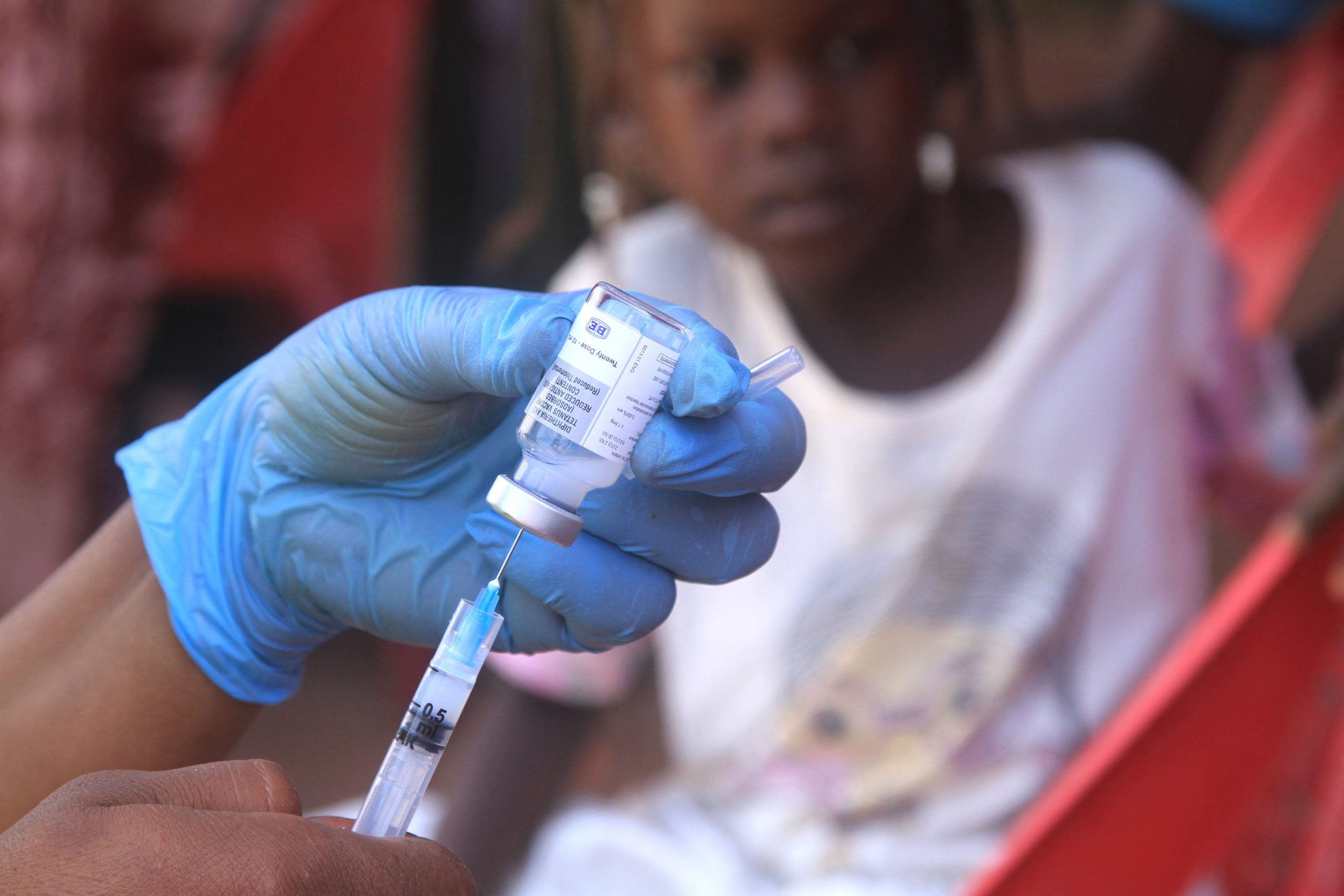
São Paulo — The African Development Bank (AfDB) and the World Health Organization (WHO) have agreed to accelerate the implementation of a health emergency and infrastructure project in Sudan. The agreement followed a joint project monitoring mission to the country and calls for speeding up the ongoing procurement of essential equipment and supplies for primary health care, the management of severe acute malnutrition and emergency operations centers.
The mission assessed progress on the USD 55 million Sudan Health Emergency and Infrastructure Project (SHEIP), according to an AfDB statement released Tuesday (13). The institutions also agreed on measures to ensure the project meets its targets on time and reviewed performance, operational challenges, the results framework, and monitoring, evaluation, management and coordination mechanisms.
“SHEIP reflects the African Development Bank’s commitment to supporting Sudan’s health system through this exceptionally challenging time. Strengthening primary health care and emergency preparedness is essential not only to respond to today’s needs, but to build a more resilient health system for the future,” David Muthusi Mutuku, AfDB Country Manager for Sudan, who led the mission, was quoted as saying in the statement.
The program is funded by the African Development Fund, an AfDB entity, and implemented by the WHO to improve access to essential primary health care and emergency services, strengthen Sudan’s capacity to respond to public health emergencies and build a more resilient local health system. According to the bank, an estimated 33.7 million people in the country will need humanitarian assistance in 2026, including 21 million in need of health care.
Read also:
Sudan presents reconstruction opportunities
Translated by Guilherme Miranda