



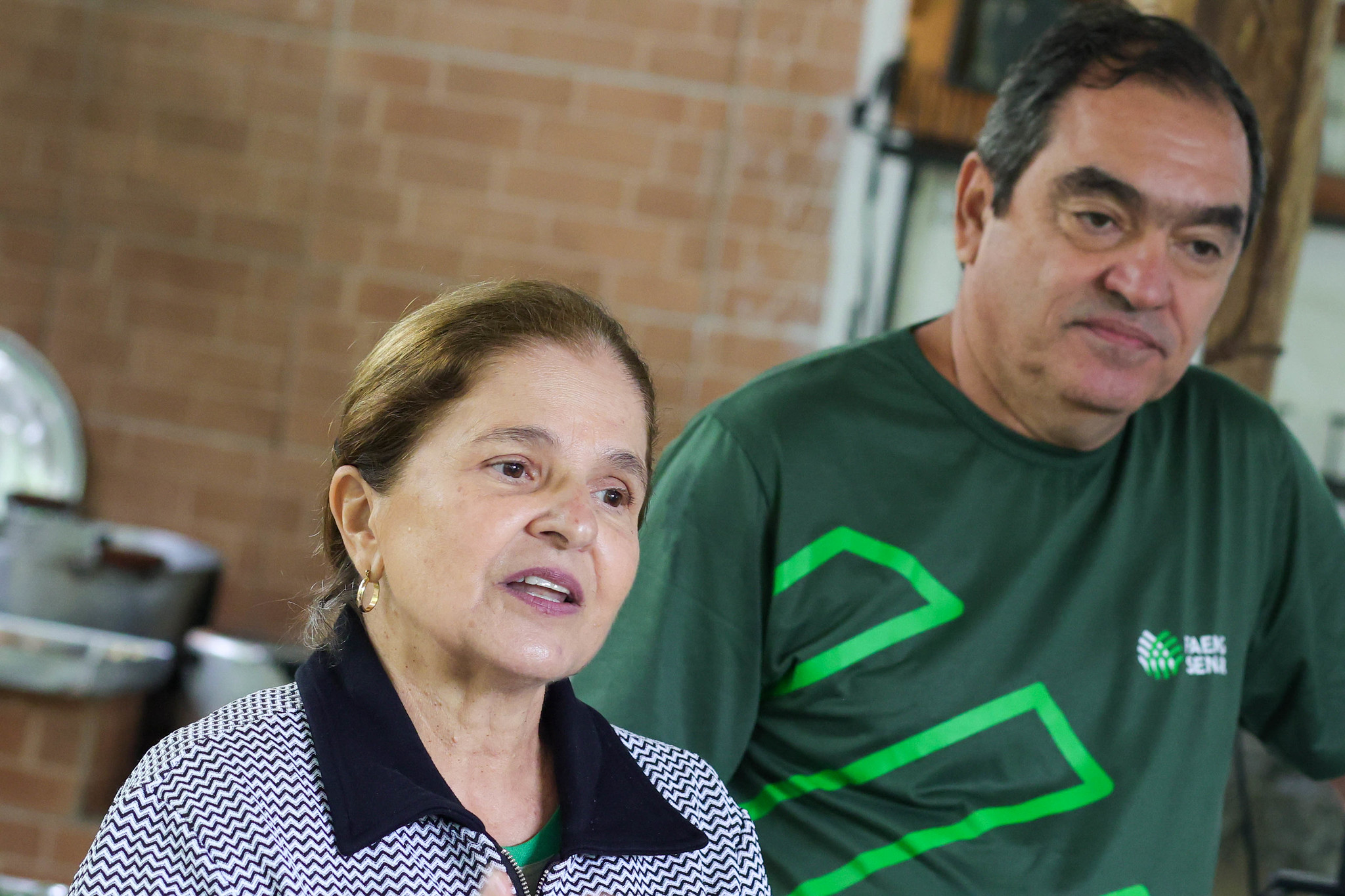
Carmópolis de Minas — One of Fiat’s plants in Brazil has been operating in Betim, in the Belo Horizonte metropolitan area, for 50 years. From the road, it is possible to see the factory buildings, the export vehicle section, the yards and the many auto parts suppliers. For more than 30 years, Eduardo Duarte, now CEO of Café Montueira, worked at Fiat. And between one vehicle launch and another, he also divided his attention with farming.
Farming, he says, was a “Plan B” for when retirement came. It did, and from then on, coffee became Duarte’s and his wife Malvina’s main occupation. The Fazenda Reunidas Montueira coffee plantation is located in Carmópolis de Minas, a municipality in southern Minas Gerais, 105 kilometers from Betim.
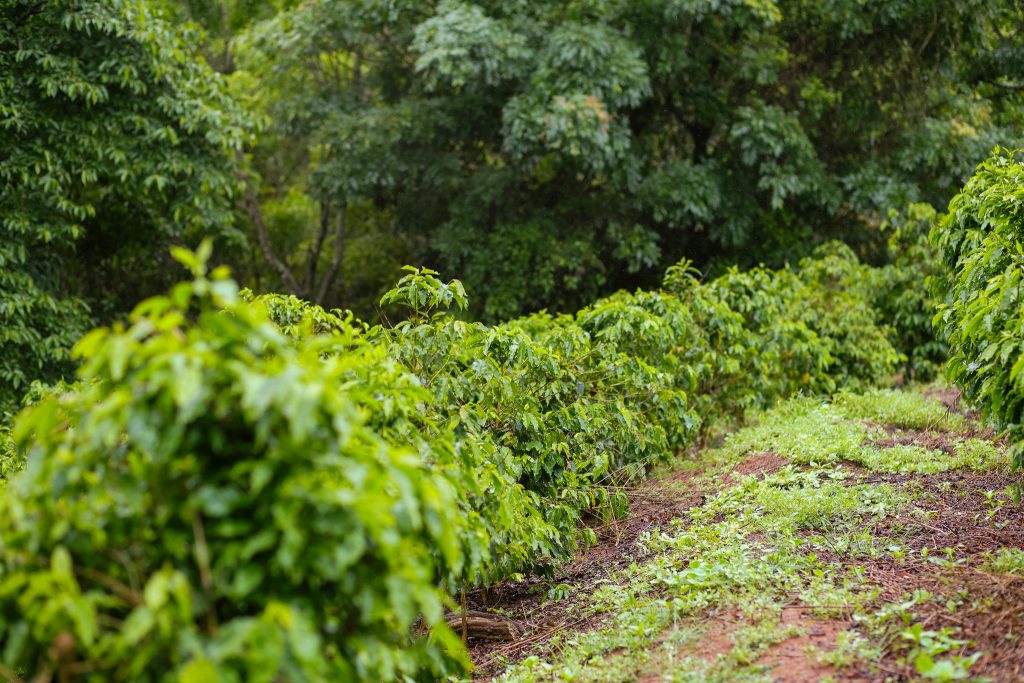
The setting is almost the opposite of that of cars being designed, production lines, painting and engine assembly. Here, silence and greenery prevail. The farm belongs to Malvina’s family, who are of Italian descent. It spans 1,098 hectares at an average altitude of 1,050 meters, of which 648 hectares are preserved native forest. The couple owns 61 hectares, 9.5 hectares of which are devoted to coffee cultivation.
“We are nano-producers,” Duarte told a group of journalists who visited the property in early November at the invitation of the Brazilian National Confederation of Agriculture and Livestock (CNA).
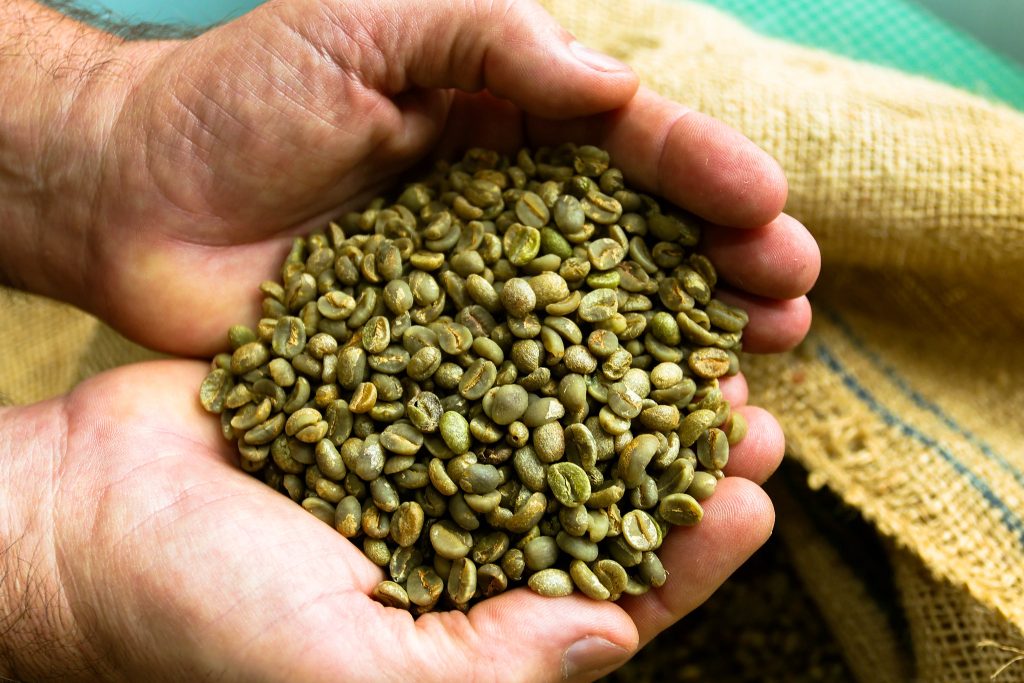
Like them, many other nano, small and medium-sized producers in southern Minas Gerais produce highly selected beans that are tasted around the world. They are beans with few defects, sold in small lots and purchased by cafés that make the most of their aroma and flavor when brewing, generally as filtered coffee. They take part in auctions that can drive their prices to record levels. One of the cafés that sells Café Montueira, Duarte says, is based in Brasília and invests in coffee produced by women.
Sustainability is one of Café Montueira’s selling points. What could be an obstacle to increasing productivity ultimately results in unique and sought-after beans.
“We plant around jacaranda and jequitibá trees. It is highly sought after because, as a shade-grown coffee, it takes longer to ripen. And because it takes longer to ripen, it brings out notes of chocolate, caramel and raw sugar. Some customers ask specifically for shade-grown Catuaí,” Duarte said.
Catuaí is one of the varieties of Arabica coffee grown in Minas Gerais.
Duarte is now seeking to sell to Arab buyers. Samples from the farm were sent to Dubai, in the United Arab Emirates, earlier this month. In addition, Duarte has been meeting with potential buyers from the Gulf and remains interested in doing business not only with the UAE, but also with customers in Saudi Arabia and Egypt.
Last year, he also sent samples to an event in Dubai. A deal is now close to being finalized.
“Because I didn’t attend the event last year, no deal was made. To close a deal, you have to be there and look people in the eye,” he said.
“The Gulf market is as good as China’s, with one advantage: it pays more and haggles less than the Asian market,” Duarte said, noting that the Gulf has demand for large volumes and, specifically, specialty coffee.
While business with Arab customers has yet to materialize, he and Malvina continue to invest in production and their customer base amid the greenery and silence. The former car factory continues to be part of the producer’s life, now as part of the farm’s fleet, transporting the beans that will eventually reach consumers’ cups.
Read more:
Brazil’s Minas Gerais coffee seeks more importers
Cetec farm: Specialty coffee headed to Dubai
*Trip made at the invitation of CNA
Translated by Guilherme Miranda
