


Varginha — When asked whether they already sell specialty coffee from their farms to Arab countries, two producers from Brazil’s southern Minas Gerais take a long pause before answering, “Not yet, Arab countries are a dream.” The reason for this “dream” is simple, they argue: Arab consumers in the Gulf are among those willing to pay more for smaller harvests, higher-quality and higher-value coffee, known as specialty coffee.
Recently, a Qatari customer paid BRL 5,000 [USD 882] for a 60-kilogram bag, the standard unit for selling green coffee, which yields about 48 kilograms after roasting. The current price of a bag is around BRL 1,750 [USD 309]. The numbers, however, do not tell the whole story.
The Arabica coffee that fetched BRL 5,000 is a unique product from a small producer and an even smaller lot, with higher quality than coffee found on supermarket shelves. It is known as specialty coffee, with beans scoring above 80 on the Specialty Coffee Association (SCA) scale of up to 100. These beans have few defects and offer superior aroma and flavor characteristics compared with those that do not reach that score.
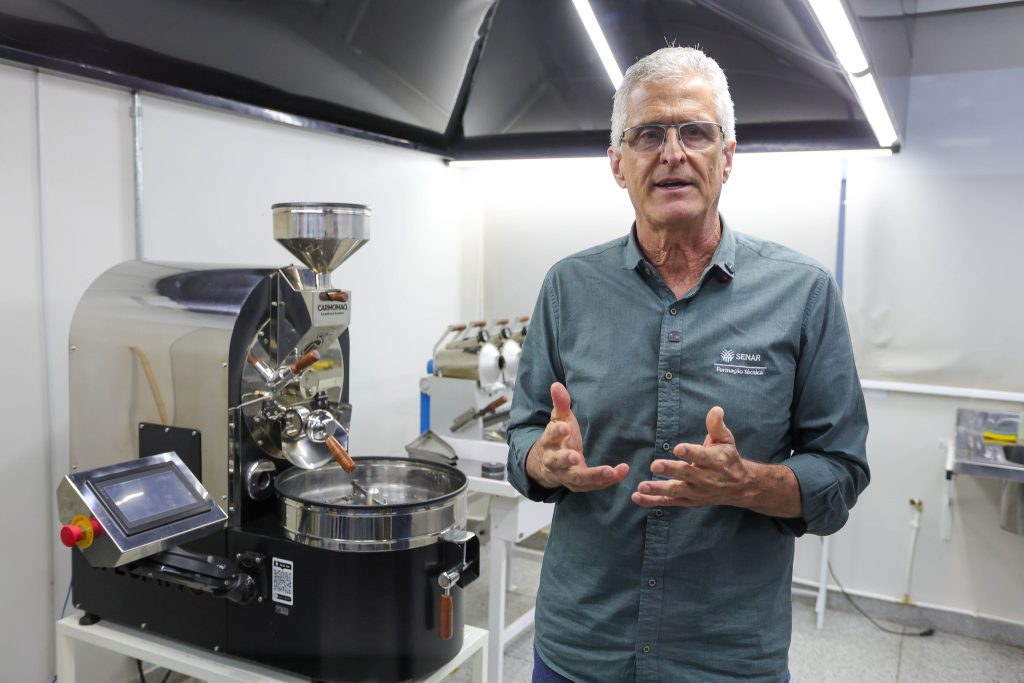
It is this coffee that small and medium-sized producers are investing in to enter new markets or expand those already buying from Brazil. On a trip to southern Minas Gerais, a group of journalists, including an ANBA reporter, visited coffee farms, companies and the Center of Excellence in Coffee Production of the National Rural Learning Service (CEC-SENAR), in Varginha. The CEC- SENAR is an initiative of the Brazil’s National Confederation of Agriculture and Livestock (CNA), together with state agriculture federation FAEMG and SENAR.
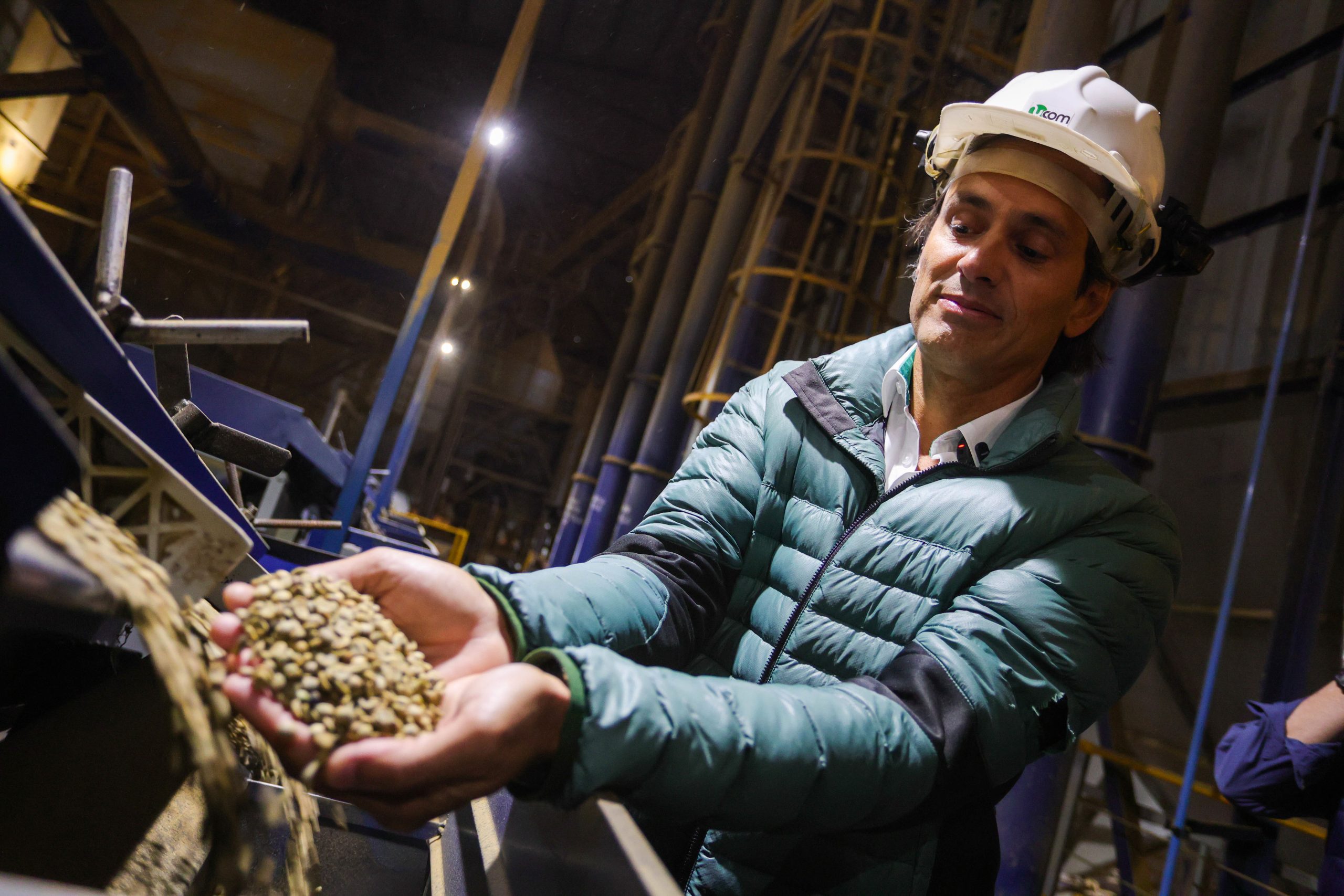
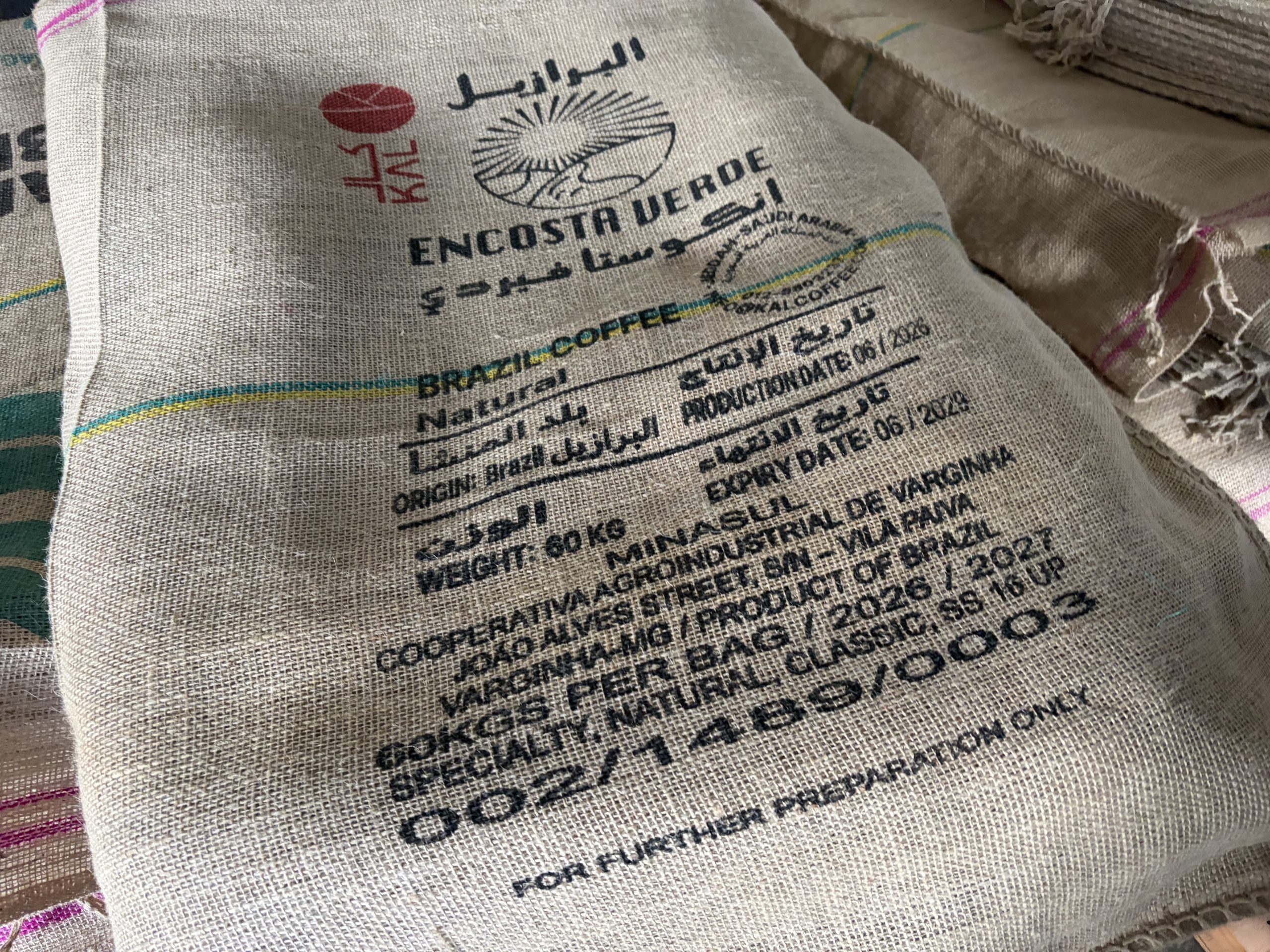
At Minasul cooperative, which generates BRL 2.5 billion [USD 441 million] in annual revenue from the combined production of 11,000 farmers, including about 4,000 coffee growers, journalists took part in specialty coffee tasting sessions. At the Cocatrel Minasul Plant (Ucom), they learned about coffee processing: Ucom stores the coffee in silos, sorts the beans, packages them and ships them for export. It acts as an intermediary between farming and final sales and handles approximately 2 million bags per year.
Regardless of whether they are specialty coffees, Brazilian beans are sold in Arab countries, which are not yet among the product’s main buyers. From January to September this year, Brazil exported USD 10.1 billion worth of coffee, down 10.2% from the same period last year. The European Union accounted for 45.9% of exports, followed by the United States, Japan, Turkey, Russia, the United Kingdom and Colombia.
From January to September this year, Lebanon, Jordan and the United Arab Emirates recorded the largest increases among importers, alongside Colombia. The South American neighbor is a major producer with internationally recognized coffee, but it also buys from Brazil to create blends, mixtures of different coffee beans that reach consumers’ cups.
Roberto Barata, director of CEC-SENAR, said each market has its own way of evaluating coffee based on consumption habits and that Colombia’s coffee is widely recognized for both its processing and marketing efforts.
“How long has Colombia been doing international marketing? There is work behind Colombian coffee. They have an incredibly good product. Ethiopia, Guatemala and Peru have exceptionally good coffees, but Colombia is seen as producing better coffee, so much so that its prices are higher than ours,” he said.
The industry has been investing in marketing, presentation, promotion and improvements in coffee processing.
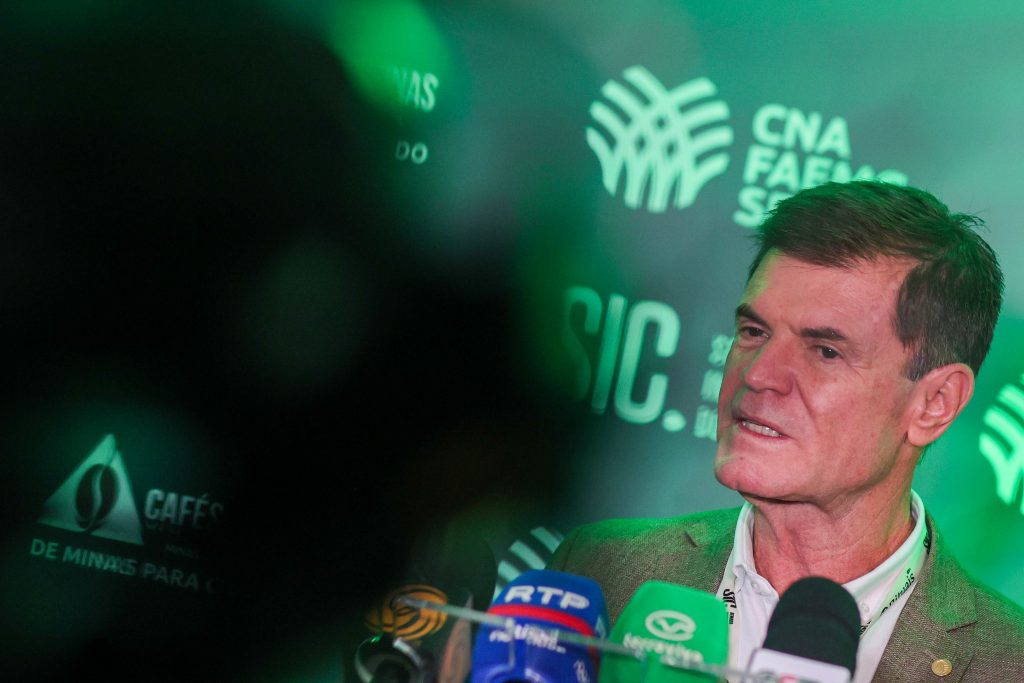
FAEMG President Antônio Pitangui de Salvo said national coffee production is expected to reach 70 million bags this year, with about 36 million coming from Minas Gerais state, enough to supply the domestic market and seek new markets. The state has five official Arabica coffee-producing regions: Cerrado Mineiro, southern Minas Gerais, Chapada de Minas, Matas de Minas, and Vertentes. The other coffee variety, Conilon or Robusta, is produced mainly in Espírito Santo.
“Coffee is reaching new frontiers, and we will continue our marketing efforts,” de Salvo said during the International Coffee Week, one of the sector’s main trade fairs, held Nov. 11-13 in Belo Horizonte. “All the Arab countries, all of Asia, Europe, which is already a major consumer, and the Americas. Coffee is widely traded. We are entering new markets precisely because we have a product with the quality and volume to maintain these markets. We are expanding our production,” he said.
Read more:
Coffee market expanding in Middle East
*Trip conducted at the invitation of the CNA
Translated by Guilherme Miranda
