


São Paulo – One of them traces the history of Arab immigration to Brazil through the digitization of books, magazines, photographs and documents from the community; another allows families and populations to recover their genealogical trees; and another maps the global trajectory of Palestinian literature. These were some of the projects presented Friday (13) at the headquarters of the Arab-Brazilian Chamber of Commerce (ABCC) in São Paulo, showing that numerous initiatives around the world are working to build digital archives to safeguard history in its many different aspects, particularly immigration.
Organized by the ABCC, the Edward Said Chair at the Federal University of São Paulo (Unifesp) and Saint-Esprit de Kaslik University (USEK) in Lebanon, which jointly carry out the Digitalization Project for the Memory of Arab Immigration in Brazil, the “International Seminar Stories from the Archives: Unlocking the Memory of Arab Presence in Brazil” focused on this topic, while also presenting the project’s results and several digital archive initiatives to the public.
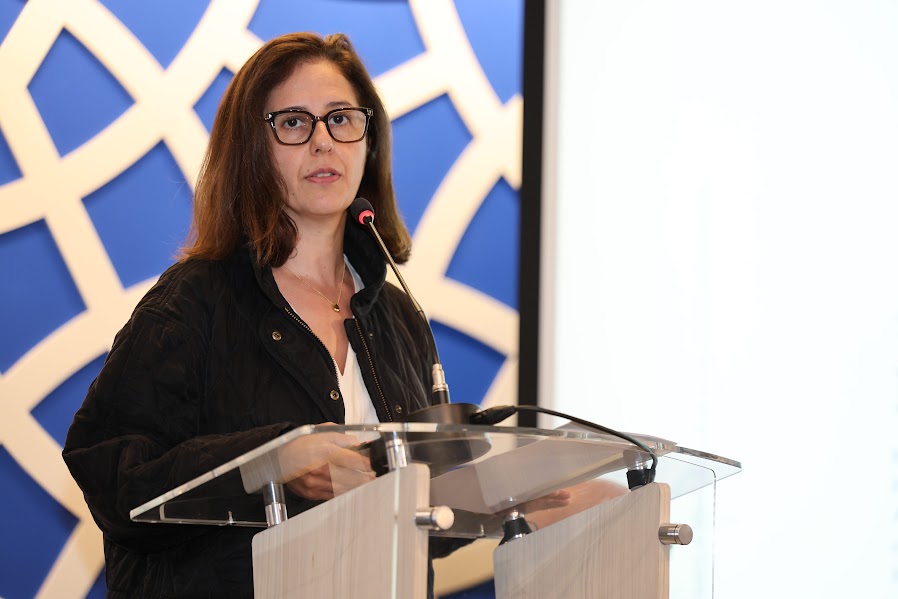
In a panel titled “Archives in the Digital Age,” Akram Khater spoke online about the work of the Khayrallah Center for Lebanese Diaspora Studies, which researches Lebanese immigrants in the United States and around the world and has a large digital archive on their history. Marcelo Amaro of FamilySearch explained the scale of the international project, which focuses on genealogical research and offers 16.9 billion searchable names in historical records free of charge.
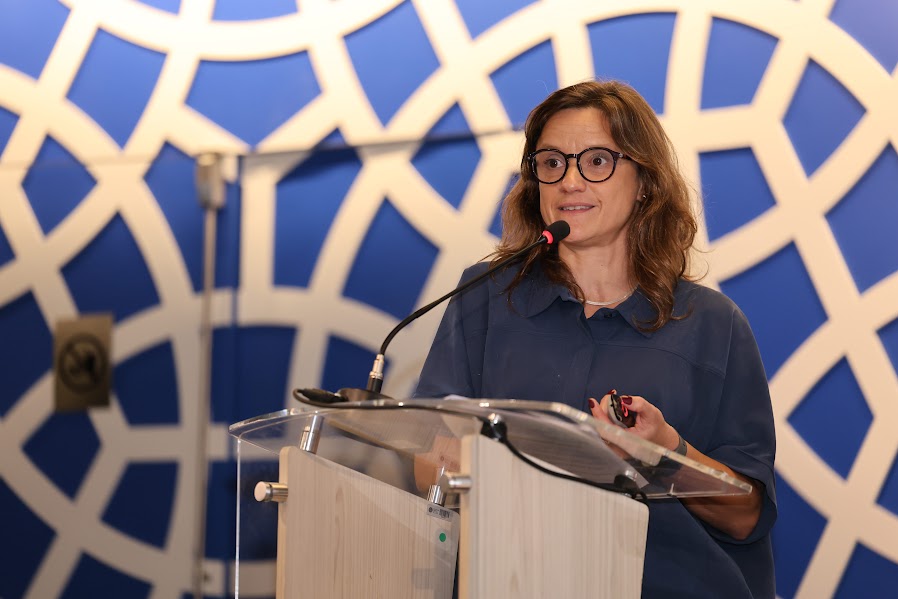
Another project presented, focused on preserving and providing access to Brazilian archives, was Pró-Memórias, by Instituto Galo da Manhã. According to Pedro Puntoni’s presentation, the project is developing a platform with the University of Brasília (UnB). Refqa Abu-Remaileh spoke about the project she leads, Country of Words: A Transnational Atlas for Palestinian Literature, which is intentionally available only in digital form. The project, which can be described as a digital book, covers Palestinian literature across different periods of history, including records of diaspora literary production.
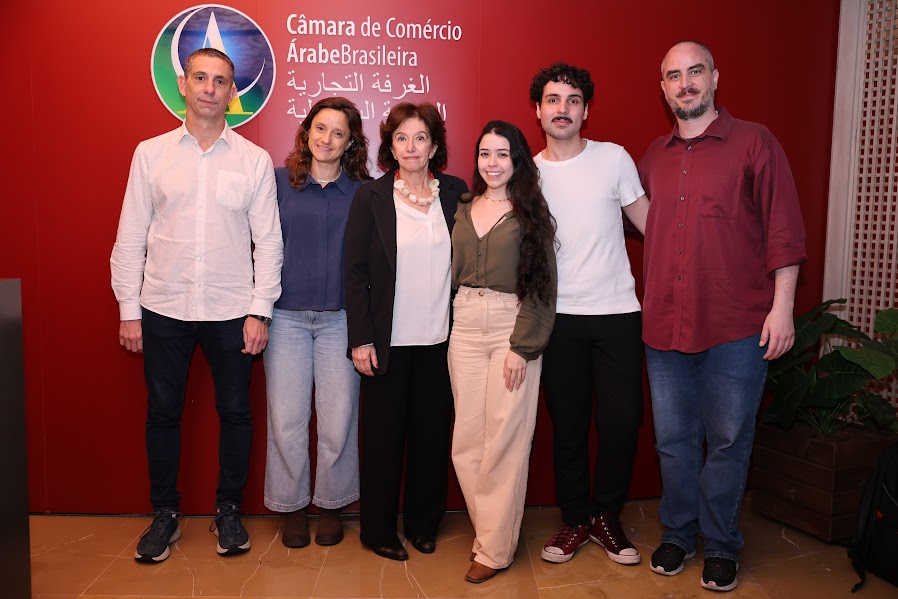
Also on the seminar’s program, the Unifesp team working on the Digitalization Project for the Memory of Arab Immigration since April shared its research progress with the audience. The group consists of political scientist Javier Amadeo, coordinator of the Edward Said Chair; project coordinator and visiting professor at the Chair Christina Queiroz; historian and conservator-restorer Isaac Gabriel Silva; Arabist Pedro Martins Criado; and anthropologist Isabella Aquino.
The project digitizes materials that can shed light on the history of Arab immigration to Brazil, such as magazines and newspapers produced by the community, in a process that includes mapping, cataloguing, capturing, processing and disseminating the materials. According to the team’s presentation, this year’s work resulted in 114 items catalogued, 88 items digitized and 40,857 images captured. The project worked with the archives of the Orthodox Metropolitan Cathedral, Guilherme Afif Domingos, the Arab Institute of Culture (Icarabe) and the Jorge Germanos Family.
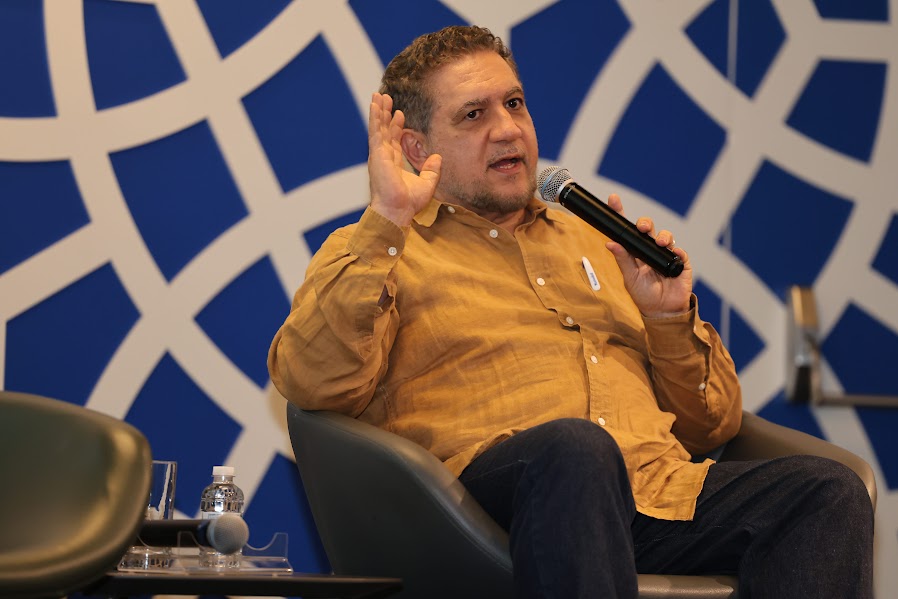
The team presented new findings, including research and discoveries in discography, covering the circulation of Arab music among immigrants, and in typography, examining the types of printed materials used by the Arab immigrant community. In terms of access and dissemination, the team also presented plans for a digital platform to make the digitized documents available.
Also on the seminar’s program was a presentation by poet, translator and University of São Paulo (USP) professor Michel Sleiman on his new translation of Abqar, a collection of poems by Lebanese poet Chafic Maluf. Born in Lebanon, the poet lived in Brazil. Sleiman analyzed previous translations of the work, discussed aspects of the poet’s life and explained the guidelines behind his translation, which, he said, seeks to highlight the modernity of Maluf’s poetry.
The event, which in addition to the presentations mentioned above in the afternoon featured a series of other discussions in the morning and early afternoon, was closed by Soraya Smaili, one of the founders of the Edward Said Chair. Smaili also helped found Icarabe, which supported the seminar. Representing the ABCC at the event were Vice President of International Relations & Secretary-General Mohamad Orra Mourad, Vice President of Marketing Silvia Antibas, Treasurer Mohamad Abouni Neto and board member Arthur Jafet.
Read also:
Arab immigration archives and stories discussed
Translated by Guilherme Miranda
