


The São Paulo-based enterprise ships product to 11 Middle East and North Africa countries and is seeing 30% to 40% annual growth in the region. It boasts an office, storage space and a training center in Dubai.
Author: Isaura Daniel
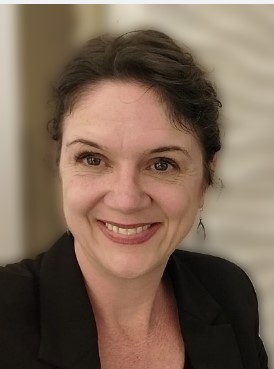
Isaura Daniel
A journalist with a degree from Unisinos and experience in economy and finance, she has been responsible for international coverages and amassed eight journalism prizes.
Bilel Kefi has lived in São Paulo for two years now and raps online in Portuguese, Arabic and English. Prior to moving to Brazil, he was a resident of Gagsa, Tunisia.
Living under refugee status in Brazil, unable to practice their crafts, a physician, a dentist and an accountant from Syria opened the Damascus restaurant in São Paulo to serve meals, snacks and sweets.
Four Syrians will be exhibiting at Feirinha Étnica, to be held by organization Adus in São Paulo on November 12. They will sell leather items, art and décor items, calligraphy and perfumes.
The MKTPlace Plataform already enabled 82 innovation and agricultural exchange projects between researchers in Africa, Latin America and the Caribbean. The experience will be shown in a UN event.
The Chamber and the Brazilian Beef Exporters Association (Abiec) will step up their advertisement efforts. The agreement was signed this Monday by Antônio Jorge Camardelli and Marcelo Sallum.
Alex Mehedff, grandson of a Syrian grandfather and a Lebanese grandmother, worked as TV producer in Syria and Iraq regions where the Kurds are now fighting. The book portrays images of the war.
Frutos da Amazônia makes products including cupuaçu, açaí, taperebá and nut-based bonbons and biscuits. It supplies the high-end market in Brazil and is looking to increase its exports.
The emirate broadens its gamut of leisure options to meet the target of welcoming 25 million visitors by the time the world expo takes place, in October 2020. Brazilian corporate traveller numbers are increasing.
Archaeologist Ahmad Serieh, former Museums national director in Syria and Arab-Syrian Cultural Center director in Brazil, will discuss Syrians museums and archaeological sites next Sunday (23) in São Paulo.
The beef sector association offered, in tandem with the Arab Chamber, a lunch to importers from the Middle East during Sial, the foodstuffs fair taking place in Paris. Business owners praised Brazilian efforts in the area.
Over 100 importers, including ones hailing from five Arab countries, confirmed attendance for the shoes and accessories exhibition set to happen in November in Gramado, Rio Grande do Sul, Brazil.
The power plant’s Engineering superintendent Jorge Habib Hanna El Khouri said a basic draft should be completed in a year and a half. Arab ambassadors on a mission to Paraná state toured the facilities.
Ocepar wants to arrange for a mission from Arab countries to have a close look at how its cooperatives produce poultry. The subject was discussed with ambassadors visiting the Paraná state trade union.
