



São Paulo – The World Bank has revised down its growth forecast for the Middle East and North Africa this year. According to the Global Economic Prospects report released on Thursday (11), the region is expected to grow by 1.6% in 2026. Average growth reached 4% in 2025.
Iran, a non-Arab country involved in the conflict with the United States and Israel, was excluded from the calculations due to the high level of uncertainty surrounding its economy. In January, before the attacks began, the region’s growth forecast stood at 3.6%.
“Assuming disruptions from the conflict taper off by the end of this year, growth in the region is projected to recover to an average of 4.5% over 2027–28. However, the outlook is subject to significant uncertainty,” the report states.
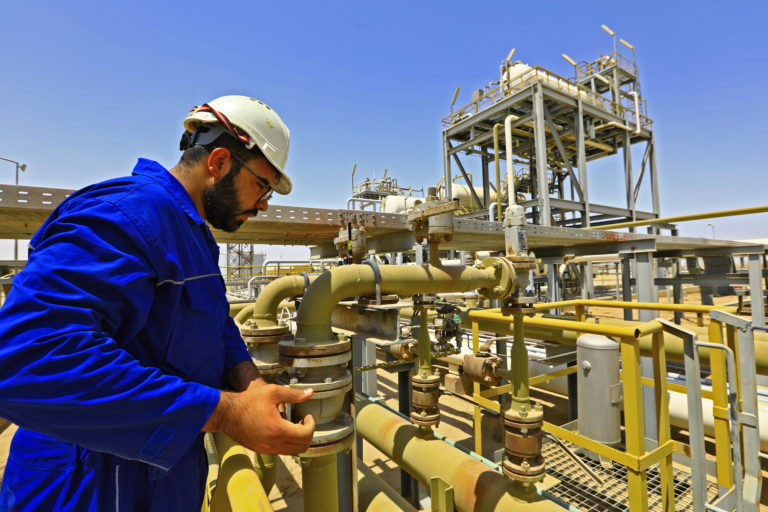
The World Bank says oil will have a direct impact on the economic performance of both exporting and importing countries in the region. For oil exporters, growth is forecast at an average of 0.3%, reflecting lower production, disruptions to trade, and reduced tourism activity.
Oil prices are expected to remain elevated, which could benefit exporters. However, revenue gains may be offset by rising expenditures in many economies, particularly on defense.
The effects will vary from country to country, but the World Bank expects Kuwait, Iraq, and Qatar to face greater fiscal pressure due to declining revenues from oil and related products.
For oil-importing countries, growth is expected to slow as they face higher energy costs, disruptions to trade, and lower tourist arrivals.
Read more:
IMF sees Brazil resilient amid global uncertainty
Translated by Guilherme Miranda

