



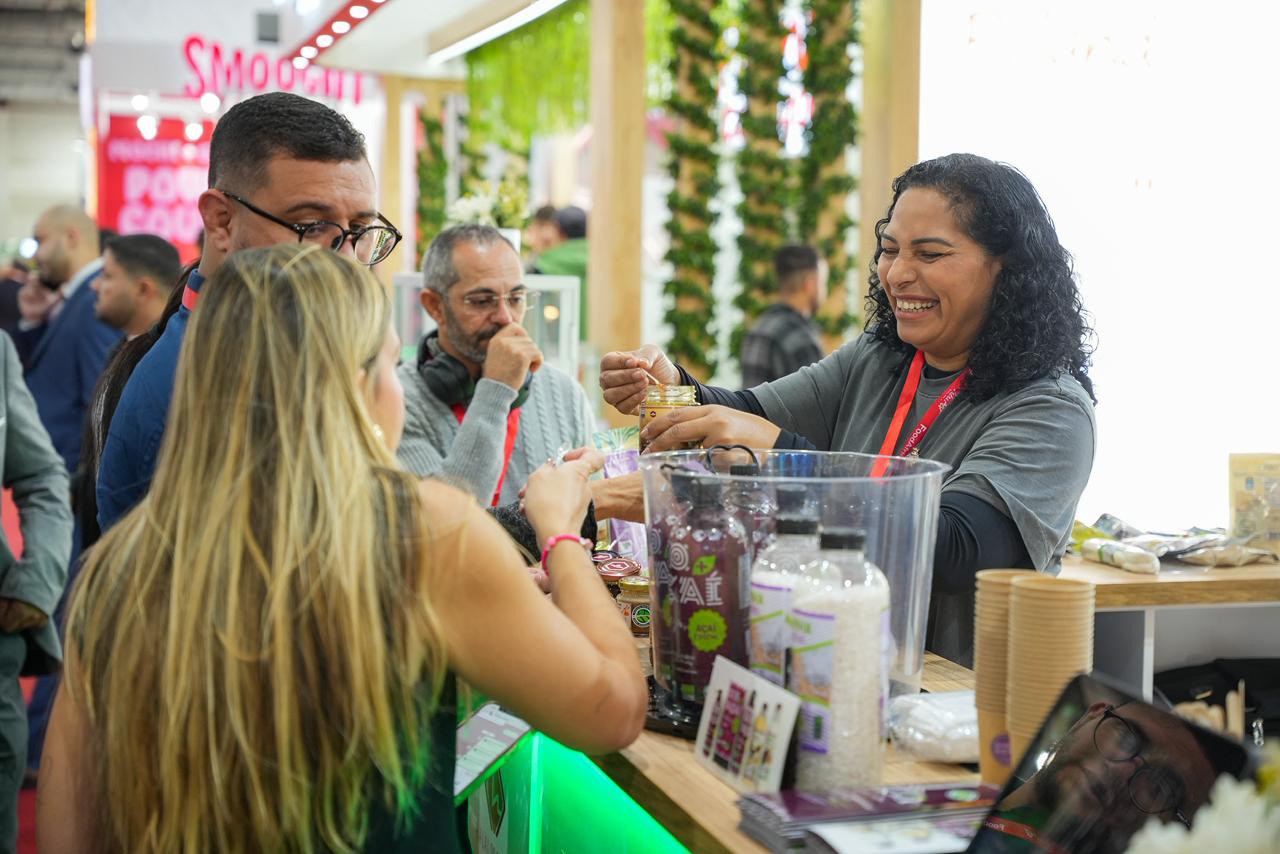
São Paulo – The first half of December was a period of business, new clients, and closer ties for Brazilian companies exhibiting at Food Africa fair, which ended on Friday (12) in Cairo, Egypt. The eight firms reported USD 18.5 million in deals closed at the event, plus an expected USD 53 million in sales over the next 12 months from contacts made there.
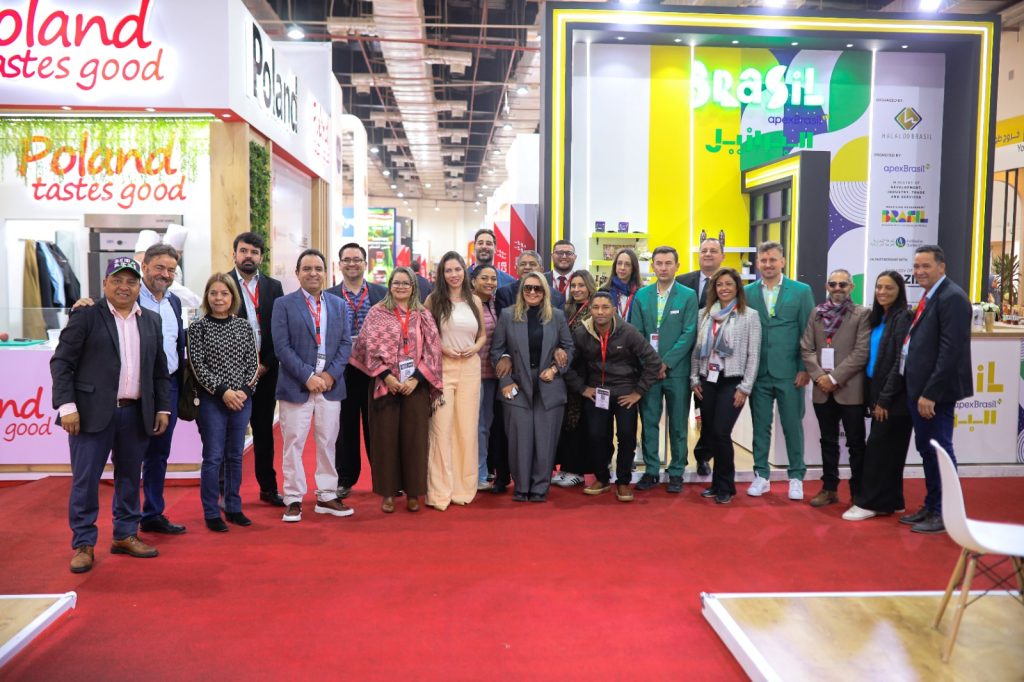
“The results this year were more than double last year’s, even with fewer companies, which confirms my impression that the fair was very busy and very good,” said Fernanda Dantas, Internationalization Projects manager at the Arab-Brazilian Chamber of Commerce (ABCC), who accompanied the Brazilian participation.
The companies exhibited at Food Africa through the Halal do Brasil project, spearheaded by the ABCC and the Brazilian Trade and Investment Promotion Agency (ApexBrasil) to promote the supply of halal foods produced in Brazil to markets with Muslim consumers. Halal products are those made according to Islamic rules and certified as such.
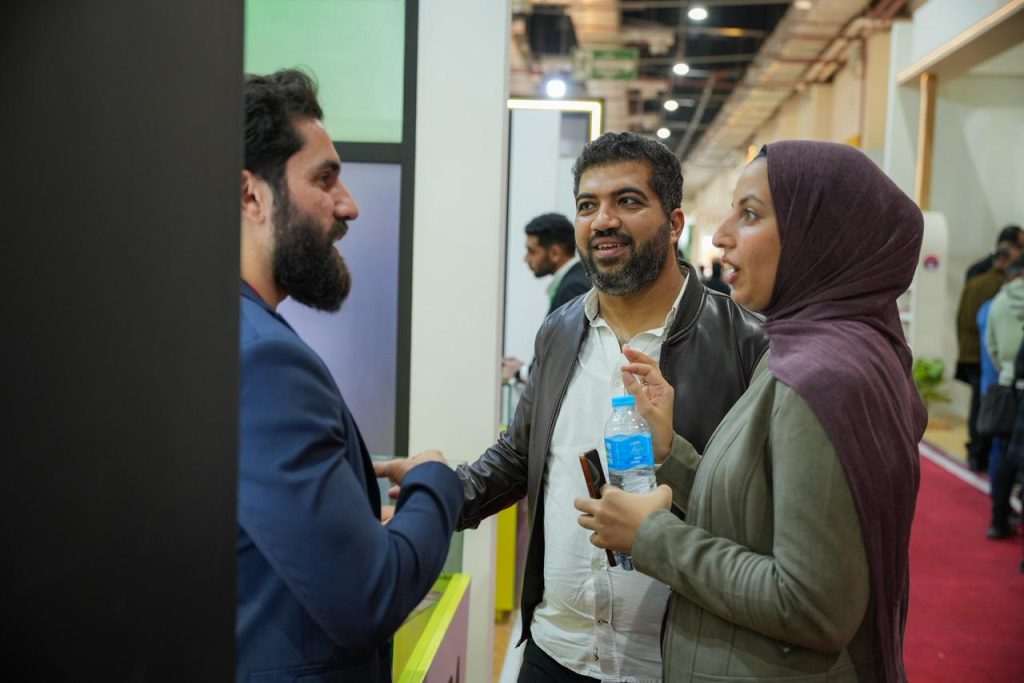
Also through the project that promotes this trade, ten companies took part in last year’s edition of the fair in Egypt, generating USD 7.59 million in deals during the event and an expected USD 34.08 million in sales over twelve months. While 475 business meetings were held last year, this edition saw Brazilian exhibitors report 578 commercial connections made at the fair.
Exhibitors included BRA Commodities, Aurea Internacional, Stefenoni Interagrícola, Coperaguas, Neoking Foods, NG Trade, Usibras, and the Cooperativa Agrícola Mista da Alta Paulista (Camap). Brazil’s Ministry of Agriculture and Livestock joined the stand and brought the National Union of Family Farming and Solidarity Economy Cooperatives (Unicafes). Brazilian chef Ana Paula Lima cooked at the fair’s cooking show area, giving Brazil even greater visibility.
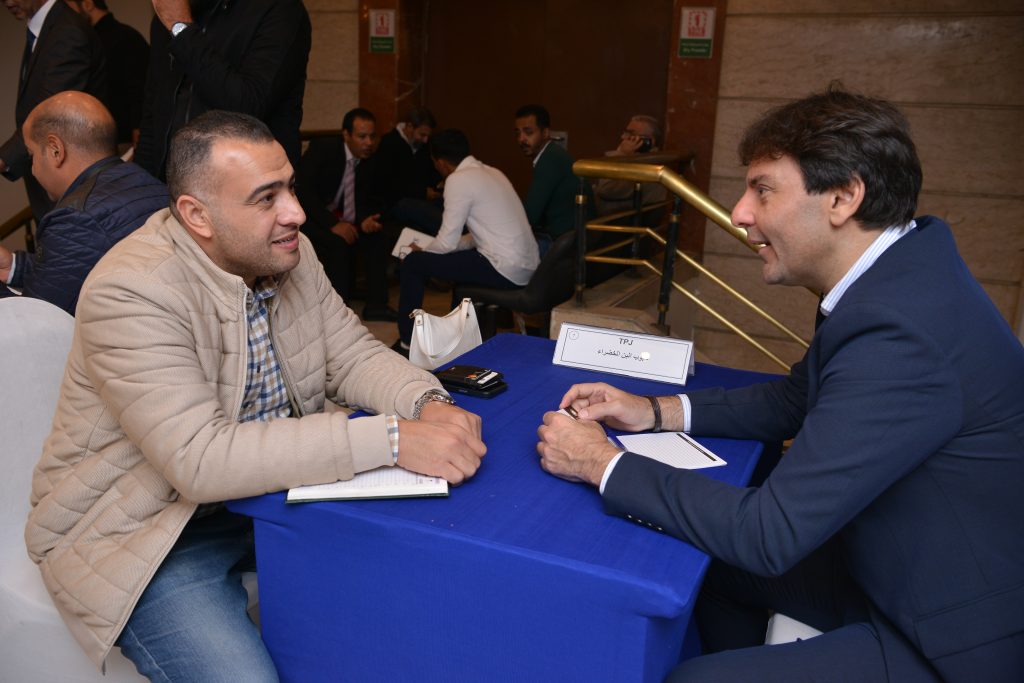
Brazilian companies also carried out a trade mission to Egypt in the first half of December, organized by the ABCC. Part of the group was made up of Food Africa exhibitors. The mission’s agenda included a seminar held with the Cairo Chamber of Commerce, B2B meetings with around 40 Egyptian buyers, a technical visit and meeting with buyers from HyperOne supermarket—where each company presented itself—and a visit to Food Africa. Participating companies included Aurora, BRA Commodities, Timbro, APS, Aurea Internacional, Manuel & Vitta, and Prime Company.
According to the ABCC’s Director of Institutional Relations, Fernanda Baltazar, who accompanied the mission, the companies were interested not only in exporting but also in importing. Egypt has a free trade agreement with Mercosur that, besides facilitating the entry of Brazilian products into the country, also benefits Egyptian exports to Brazil. The agreement will fully eliminate import tariffs in 2026. “Egypt’s market has been growing significantly,” Baltazar said, noting the agreement and highlighting that the country also serves as a trade hub with Africa.
“The mission aimed to understand the market, meet with potential new clients, distributors, and key stakeholders in the region, as well as to get to know this new trade show, thereby gaining a clearer view of the country’s potential,” Baltazar said. The mission’s schedule also included a cultural immersion, based on the idea that a deeper understanding of a country’s culture helps foster commercial ties. Another goal was to highlight the growth of tourism as a driver of local consumption.
Leadership engagement
Another front in strengthening ties between Brazil and Egypt was the series of meetings held by ABCC leaders in the country in early December. The institution’s president, William Adib Dib Jr., and the Vice President of International Relations and secretary-general, Mohamad Orra Mourad, accompanied by the ABCC’s Cairo office director Michael Gamal and international relations coordinator Rania Mohamed Hagrass, held meetings with both public and private sector representatives in Egypt.
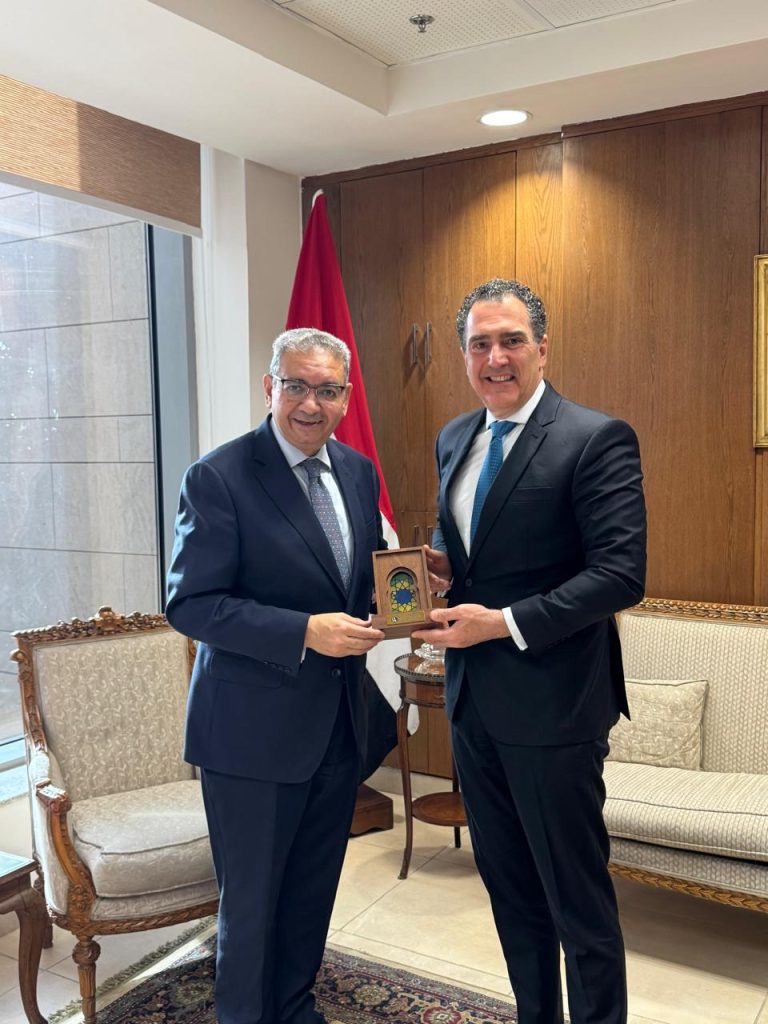
One of the meetings was with Khaled Azmy, Director of Americas Affairs at Egypt’s Ministry of Foreign Affairs, with whom they discussed trade and air connectivity between Brazil and Egypt. They also met with Sarah El-Gazzar, advisor to the Union of Arab Chambers, and Usama Pasha, secretary-general of the Federation of Egyptian Chambers of Commerce, and discussed the creation of a hub for Brazilian companies in Egypt’s port zones for distributing products across the African continent.
They also held meetings with Emad El-Sewedy, president of the Egypt–Brazil Business Council, to discuss reactivating the council; with Moustafa Shaikhon, vice president for investment and promotion of the Suez Canal Economic Zone, about establishing a space for Brazilian companies in the zone; and with Ahmed Amawy, head of the Egyptian Customs Authority, regarding the implementation of the ABCC’s Ellos platform to digitize trade procedures between Brazil and Egypt.
“Because of the Mercosur–Egypt trade agreement, everyone sees Brazil as a very important destination for Egyptian exports,” Mourad told ANBA, giving his overall impression of the meetings in Egypt. According to the secretary-general, Egyptians are interested not only in the Brazilian market itself, but also in making the country a trade hub with Latin America.
Read more:
Seminar fosters partnership between Brazil, Egypt
Translated by Guilherme Miranda
