



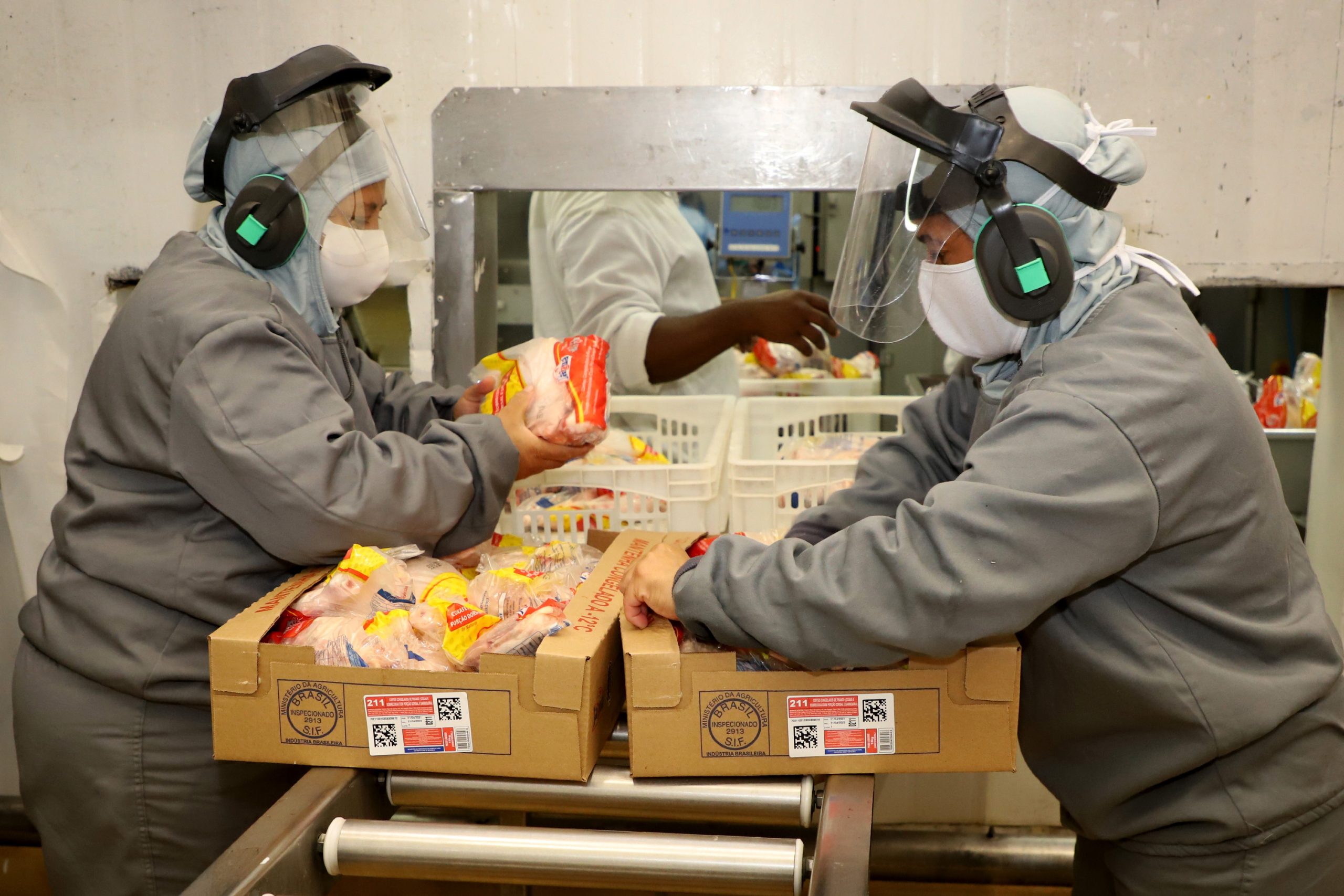
São Paulo – Despite the conflict affecting the Middle East, Saudi Arabia increased its imports of Brazilian chicken meat in April. According to period data released on Friday (8) by industry group ABPA, Brazil exported 35,800 metric tons to Saudi Arabia in April, up 5.2% from the same period in 2025. The country was the third-largest destination for the product, behind China and Japan.
The country was the third-largest buyer of Brazilian chicken meat in April, according to results released by ABPA. Due to the situation in the region, shipments bound for other Gulf countries were routed through Saudi Arabia, which has ports outside the conflict area.
Saudi Arabia has ports in the Gulf, where the Strait of Hormuz is located and has been closed by Iran in retaliation for attacks by the United States and Israel, but it also has ports on the Red Sea, which is not directly affected by the conflict.
Sales to another major buyer of Brazilian chicken meat, the United Arab Emirates, fell 52.7% to 19,100 tons in April compared to the same month last year. Only a small portion of the Emirati coastline lies outside the Strait of Hormuz region. Despite the decline, the UAE remained the eighth-largest destination for the product.
Speaking to ANBA, ABPA Markets Executive Manager Estevão Carvalho said there is a “significant” logistical redirection underway, and that part of the shipments destined for the Gulf are being routed to Saudi Arabia.
“In this case, the bill of lading (BL), indicates Saudi ports as the final destination of the shipment, and the containers are later forwarded to other markets, such as the UAE, Qatar, Bahrain, and Kuwait. This helps explain the increase in Brazilian exports to Saudi Arabia during the period, while direct shipments to other Gulf destinations declined,” Carvalho said.
According to ABPA, chicken meat exports totaled 1.943 million tons in the year to date, up 4.3% from the first four months of 2025. In terms of value, exports rose 6.1%, reaching USD 3.704 billion.
In a statement, ABPA President Ricardo Santin said the situation is “highly dynamic” and that sales to some Middle Eastern markets are being rearranged but noted that the data recorded through April point to a positive outlook for the sector’s global exports. “Even with the conflict in the Middle East, the sector was able to meet the region’s demand, supporting food security in Gulf countries,” he said.
Read more:
MBRF creates Sadia Halal with Saudis, plans IPO
Brazil’s MBRF reroutes to serve Middle East
JBS: Flows to Middle East remain unchanged
Translated by Guilherme Miranda
