



São Paulo – The Brazilian balance of trade ran a US$ 2.350 billion deficit in November this year. According to results released this Monday (1st) by the Brazilian Ministry of Development, Industry and Foreign Trade, exports fetched US$ 15.646 billion, down 25% from November 2013 based on daily average figures. Imports amounted to US$ 17.996 billion, down 5.9% from November 2013.
According to data from the Ministry, exports declined for all three product categories: manufactured goods, semi-finished goods and basic goods. Manufactured goods exports were down 31.7% year-on-year in November, especially for fuel oils, cargo vehicles, refined sugar, passenger cars, tractors, engines and generators.
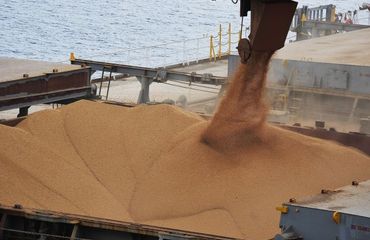
Semi-finished goods exports were down 6.2% mostly due to lower sales of cast iron, semi-finished gold, raw sugar, ferroalloys and crude soybean oil. Basic goods exports were down 25% year-on-year in November, highlighting soybean, iron ore, tobacco leaves, soy bran, maize, copper ore, crude oil, beef and poultry.
Middle East imports decline
The only destinations whose imports from Brazil have increased were the United States and Eastern Europe. Exports from Brazil to the Middle East were down 11.6%, mostly due to smaller sales of soy bran, poultry, beef and maize. Conversely, exports from the Middle East to Brazil were up 35.5%. Highlight products were oil, urea, aviation kerosene, fuel oils, plastic polymers, insecticides and acyclic alcohols. Exports from Brazil to Africa were down 14.5%. Brazil’s imports from Africa were up 16.4%, mostly due to oil and its products.
Year-to-date
Year-to-date, Brazil is also running a trade deficit. The country has exported US$ 207.611 billion worth of products, down 5.7% from the comparable year-ago period. Imports have amounted to US$ 211.832 billion, down 3.9%. The resulting deficit is US$ 4.221 billion. In the comparable year-ago period, the country had run a US$ 268 million deficit.
According to information from the Brazilian Ministry of Development, Industry and Foreign Trade released by the government news agency Agência , this is Brazil’s worst trade deficit ever for November and the worst year-to-date deficit since 1998. The ministry has ascribed the poor performance to three reasons: the plummeting prices of commodities such as maize and iron ore, the economic crisis in Argentina, which led the country to reduce importation from Brazil, and the increased domestic demand for oil in Brazil, alongside a scheduled reduction in output, which led the country to import more oil and oil products than usual.
*Translated by Gabriel Pomerancblum

