



São Paulo – The Food Price Index calculated monthly by the Food and Agriculture Organization of the United Nations (FAO) declined for the second consecutive month in May. According to the results released by the organization this Thursday (5th), in Rome, the international prices dropped by 1.2% last month to 207.8 points. In April, the index had reached 210.3 points and, in March, when it registered the highest prices in a ten month period, it went to 213 points. In May last year, the index stood at 214.8 points.
In the FAO’s evaluation, the prices decline was driven by the large supply of food in the period. Moreover, the organization observed an inclination toward good cereal crops this year. The price decline in May can be mapped back to a drop in the prices of dairy products, cereals and oils. The organization, however, observed an increase in the price of sugar while meat price remained stable.
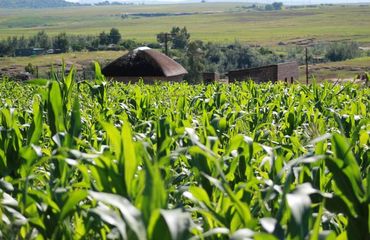
The cereal price index registered 204.4 points in May, 1.2% lower than April’s and 13% below the registered in May last year. According to the FAO, there is an outlook of large supply of maize. As regards wheat, there was a small reduction while rice changed little.
Vegetable oils prices dropped by 1.8% in comparison to April, according to the FAO, due to decline in costs of palm, soy and canola oils. Milk products prices amounted to 238.9 points in May, 5% lower than April. Meat price index amounted to 189.1 points and remained unchanged over April. Sugar, on the other hand, reached 259.2 points in May, an increase of 3.7% over April, due to forecasts of weather-related decline in commodity production.
The FAO claimed that by the end of 2015’s crop, cereal stock piles should reach a ten-year high, at 576 million tonnes. According to the organization, this year’s cereal crop should amount to 2.48 billion tonnes, or 1.3% below the registered in the last crop.
The index calculated by the FAO is based on the price variation of foodstuff in five commodity categories: cereals, meat, dairy products, sugar and oils.
*Translated by Rodrigo Mendonça

