



São Paulo – The International Monetary Fund (IMF) estimates that Middle East and North Africa countries will grow by 2.6% this year, a higher rate than 2013’s 2.3%, according to the Regional Economic Outlook report released this Monday (27th). The organization believes the region’s Gross Domestic Product (GDP) may accelerate to 3.9% in 2015, ‘if security conditions improve.’
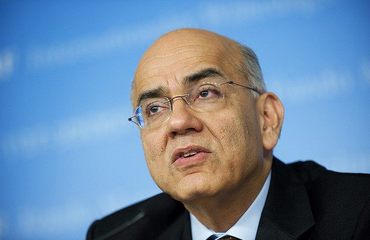
“Intensifying security problems, including from the deepening conflicts in Iraq and Syria, pose downside risks to the outlook. The regional economic impact has been limited so far, but an estimated 11 million of displaced persons are already putting pressure on budgets, labour markets and social cohesion in neighbouring countries,” said the IMF’s Middle East Department director, Masood Ahmed, according to a press release from the organization.
Oil exporting countries should grow by 2.5% this year, according to the Fund, a lower rate than the regional average, due to instability in major oil industry players such as Libya and Iraq. According to the report, growth may pick up to 3.9% in 2015, but deteriorating security conditions may prevent the estimate from proving true.
Furthermore, the IMF advises countries to rein in spending due to the plummeting international prices of oil. “On current fiscal policies, oil exporters’ fiscal surpluses are set to vanish by 2017,” the report asserts. “The marked decline in oil prices by 20% over the last two months adds to fiscal risks,” it adds.
Ahmed remarked that if oil prices remain low for long, then the region’s oil exporters may shift from fiscal surpluses to deficits as early as next year. Thus, the Fund cautions governments to cut spending. The bulk of government spending in the Middle East and North Africa consists of wage payments and fuel subsidies.
The organization notes that the growth model of the region’s oil exporting countries is too dependent on growing public spending, funded by rising oil prices over the last few years. The IMF advises a transition into a more diverse, private sector-oriented model.
Importers
The Fund points out some “positive trends” in the region’s oil importing countries, such as a gradual improvement in exports, tourism and foreign direct investment flows. The report also sees progress in containing energy subsidy bills in Egypt, Jordan, Mauritania, Morocco, Sudan and Tunisia. The organization advocates the rechanneling of these funds into measures designed to “support growth” and “reduce poverty,” such as social programs and investment in infrastructure, healthcare and education. Some of these countries are using part of the funds to curb their fiscal deficits.
Despite this trend, the Fund remarks that these countries are plagued by deep-seated socio-political tensions, structural bottlenecks and the effects of conflicts in nearby countries, which prevent them from attaining a level of growth that could drive down high unemployment.
The IMF believes the region’s oil importing countries will grow by 3% this year, close to 2013 levels, and by 4% in 2015. The most significant risks to these countries are spillovers from regional conflicts, setbacks in political transitions resultant from the Arab Spring and lower-than-expected growth in key trading partners.
The Fund also warns that these countries’ debts are increasing. Their gross external financing needs should be as high as US$ 100 billion come next year.
“For most people in the region, improvements in their living standards are not being felt yet as some reforms take time to bear fruit,” said Ahmed.
*Translated by Gabriel Pomerancblum

