



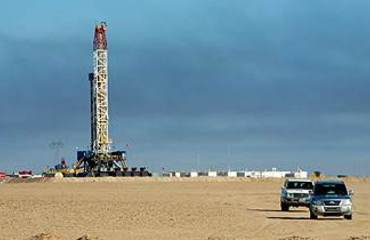
São Paulo – Oil should ensure a 9% increase in Iraq’s Gross Domestic Product (GDP) in 2013, to US$ 233.3 billion. Per capita income, which stood at US$ 6,305 in 2012, may reach US$ 6,708 this year. Still, an assessment of the country’s economic performance released last Tuesday (21st) by the International Monetary Fund (IMF) indicates that Iraq is overly dependent on oil revenues, and advises authorities to strive for diversifying their sources of income.
The IMF study notes that Iraq’s per capita income went from US$ 1,300 in 2004 to US$ 6,305 in 2012 due to oil revenues. According to the study, production of the commodity went from 2.38 million barrels per day in 2010 to 3.3 million last year, and should average at 5.7 million by 2018. The increase will depend on investment, a safer environment, and the timely implementation of oil exploration projects.
Even though it benefits from oil reserves, Iraq must diversify its economy by means of a business environment that will attract private investment. It must improve its fiscal system, increase security, and strengthen its banks. The country also needs to invest in social assistance networks to the poor population.
The IMF advises Iraq to cut spending by reducing energy sector subsidies, fund transfers to state-owned companies, and the hiring of public servants. The country must fight crimes such as money laundry and financing of terrorist activities in keeping with the rules adopted by other Middle East and North Africa countries.
“Directors highlighted the importance of a stable financial sector in developing the private sector and diversifying the economy, and were encouraged by recent progress in strengthening banking supervision and restructuring the Rasheed and Rafidain banks. They encouraged the authorities to ensure a level playing field for public and private banks by opening to private banks access to government business,” according to the IMF paper.
*Translated by Gabriel Pomerancblum

