



São Paulo – The Brazilian balance of trade has shown a surplus again in the second week of June, at US$ 873 million, as per figures released this Monday (16th) by the Brazilian Ministry of Development, Industry and Foreign Trade. Month-to-date through Sunday (15th), exports exceeded imports by US$ 1.563 billion.
According to the ministry, exports averaged at US$ 940.8 million in the second week of June, down 11.6% from the average in the first week. In the two weeks combined, export revenues stood at US$ 4.704 billion. From the first to the second week, basic and manufactured goods exports declined, but semi-manufactured goods exports increased.
Imports averaged at US$ 773.4 million per working day in the second week of June, down 15.9% from the first week. In the two weeks combined, imports stood at US$ 3.864 billion.
According to the ministry, in the first two weeks of June, exports averaged at US$ 1.003 billion, down 5.1% from the same period in June last year.
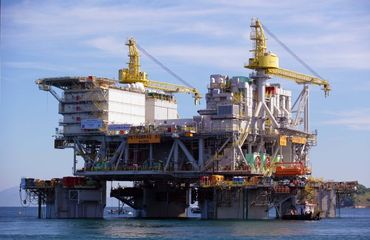
Manufactured goods exports were down 17.6% due to lower sales of oil and gas rigs, engines and generators, passenger cars, auto parts and ethanol. Semi-manufactured goods exports were down 4.5% month-to-date in June from the same period last year, as a result of reduced raw sugar and wood pulp sales. Basic goods exports were up 4.3%, driven by crude oil, pork and beef, raw sugar, coffee bean and soy bran.
In the first two weeks of June, imports averaged at US$ 846.3 million on per working day, down 10.1% from the same period in 2013. Autos and auto parts imports were down 24%, fertilizer imports were down 23.9%, electronics imports were down 22.6%, steel products imports were down 17.9% and plastics and their products imports were down 11%.
Year-to-date through the second week of June, the Brazilian trade balance is running a US$ 3.292 billion deficit. In the 112 working days thus far in 2014, Brazil exported the equivalent of US$ 100.09 billion and imported US$ 103.382 billion, as per results released by the Brazilian Ministry of Development, Industry and Foreign Trade.
*Translated by Gabriel Pomerancblum

