




São Paulo – An approach to learning whereby the student, prompted by the teacher, creates their own narrative regarding a given content, and then bears witness as the story turns into a fun animated sequence which they narrate themselves. Such is the basic premise that informs the methodology of De Criança Para Criança (DCPC, or By Kids to Kids), a company founded in 2015 as a result of a cool, homegrown concept: a father who wanted to animate a drawing his son had made. Eleven years later, the company has a branch in Finland and will be in the Qatar International School curriculum in the second half of this year.
“We wanted to have a Middle East presence because we know the region is investing heavily in education, but the only reason it worked out was because the school principal went to a trade show in Finland where we made a presentation and because afterwards, we attended events in Qatar,” recounts DCPC founder Gilberto Barroso, who’s responsible for the company’s internationalization. He recently went to a major education event in Egypt, and this is opening doors in the country as well.
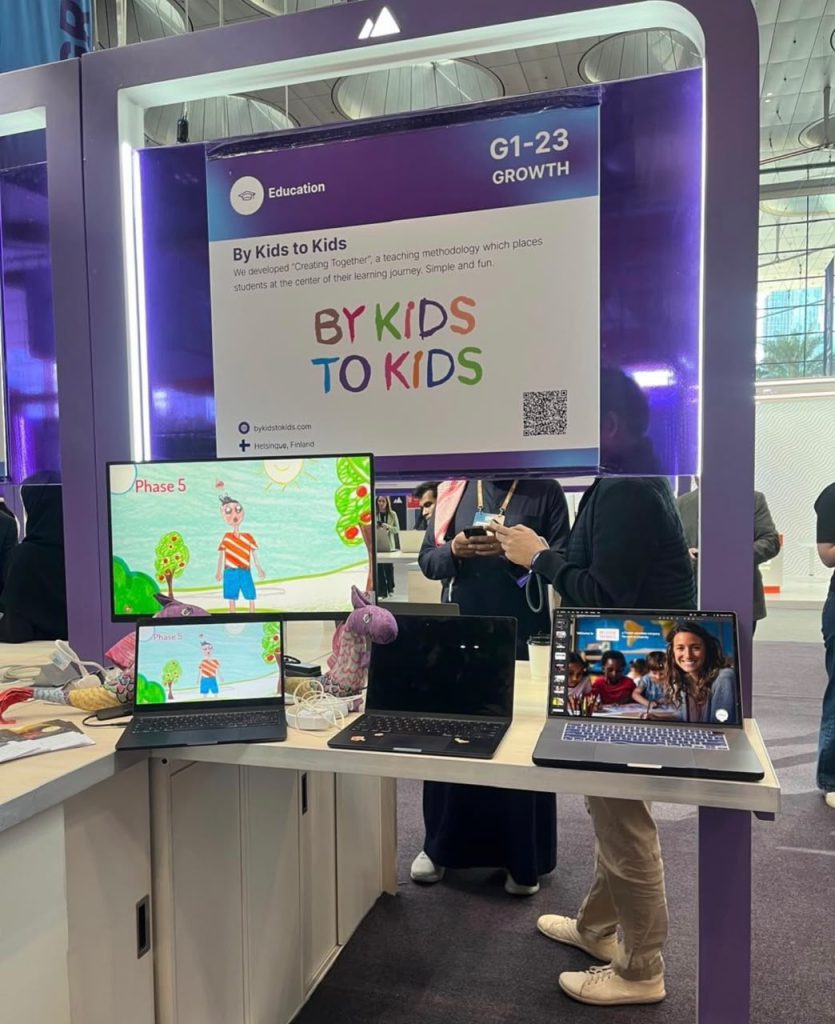
Now, thanks to its Finland branch, the company found its way into European countries such as Spain, Germany, Denmark, and Ukraine. The partners had been hoping to go international, as they knew the methodology could be applied anywhere in the world. “Of course, we must adapt to local realities, translate the content into local language, and make adaptations, but our being outside Brazil is proof that what we’ve come up with is universal,” says Gilberto, who’s been living in Finland for three years now. He finds that internationalization has brought an unprecedented wealth of knowledge.
Going to Finland was the first step, and it only happened because years ago, Gilberto delivered a presentation about DCPC in the country. The local government was intrigued, and inquired whether they would supply the methodology to Finnish schools – Finland is a global powerhouse when it comes to education. “It is a great recognition of the quality of our work, no doubt,” says the business owner. “But it hasn’t been easy. It’s a super demanding country. They do a lot of testing before they approve what goes into their schools.”
Another remarkable accolade has been the Edtech Impact label, which has evaluated 200,000 companies around the world. According to Gilberto, his point of contact at Edtech said DCPC was certainly one of the three best they had ever looked at. “We have the recognition; now, we need to do more prospecting work,” he ponders.
How it all began
Gilberto worked in the pay TV industry when his friend and future partner had the idea to turn his son’s drawing into an animated sequence. What looked like a good line of content for children’s channels, a space he was familiar with, ended up becoming an educational strategy when they discussed the idea with the principal at the school both their children went to. “She thought it would be a brilliant an educational tool,” he recalls.
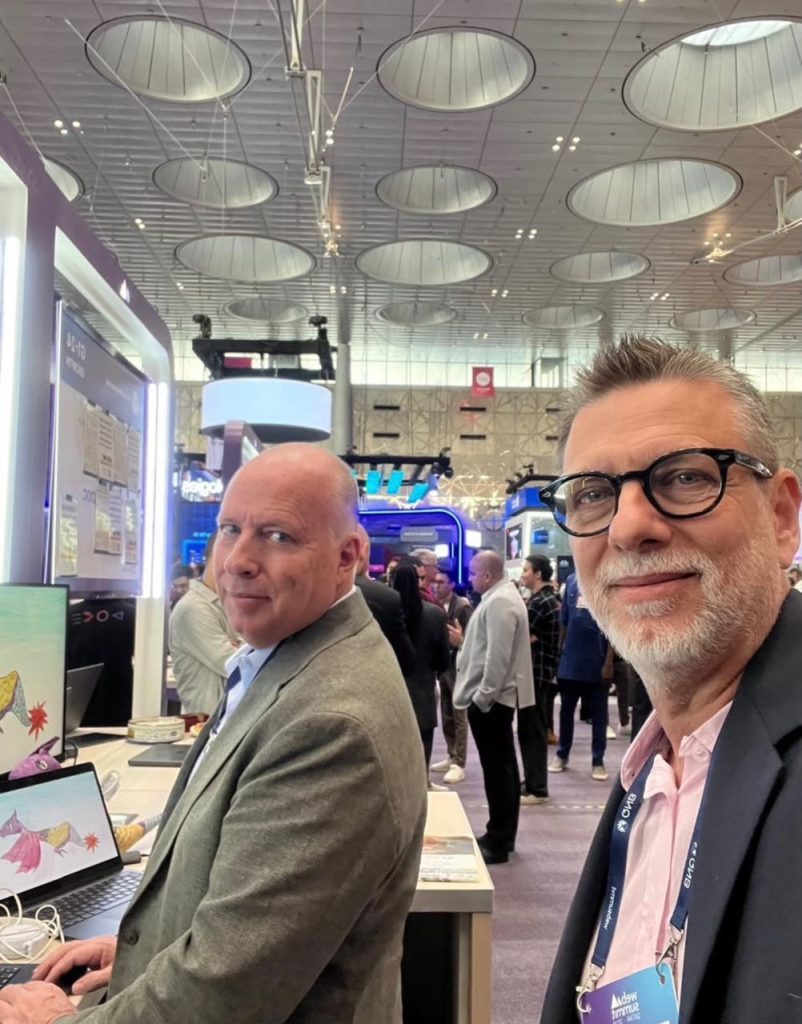
Soon enough, the school’s owners, who are partners at a school group, joined in as investors in DCPC, which spread quickly to Brazilian public and private schools alike. “These days, education revolves around content, and we put the child front and center. That’s what sets us apart,” says Gilberto. “When they create a story based on what the teacher said, and then they make a drawing and tell that story, they become a protagonist, and they assimilate the content in a much easier way than the tired, old memorization-based approach.”
He says the strategy works even when it comes to harder sciences like math and physics. However, knowing that teachers of these subjects would have a harder time putting the methodology to work, the company created an AI-based training tool to help teachers tailor their classes. Also available to educators is Enciclokids, a streaming platform containing the 5,000-plus DCPC videos made so far in schools the world over. “Teachers can watch one of these videos to get inspired and create their own project.”
Besides covering every school subject, the DCPC method caters to students ages 5 to 18, although most of its target audience is between 8 and 14.
Find out more:
De Criança para Criança website
Reporting by Débora Rubin, in collaboration with ANBA
Translated by Gabriel Pomerancblum
