



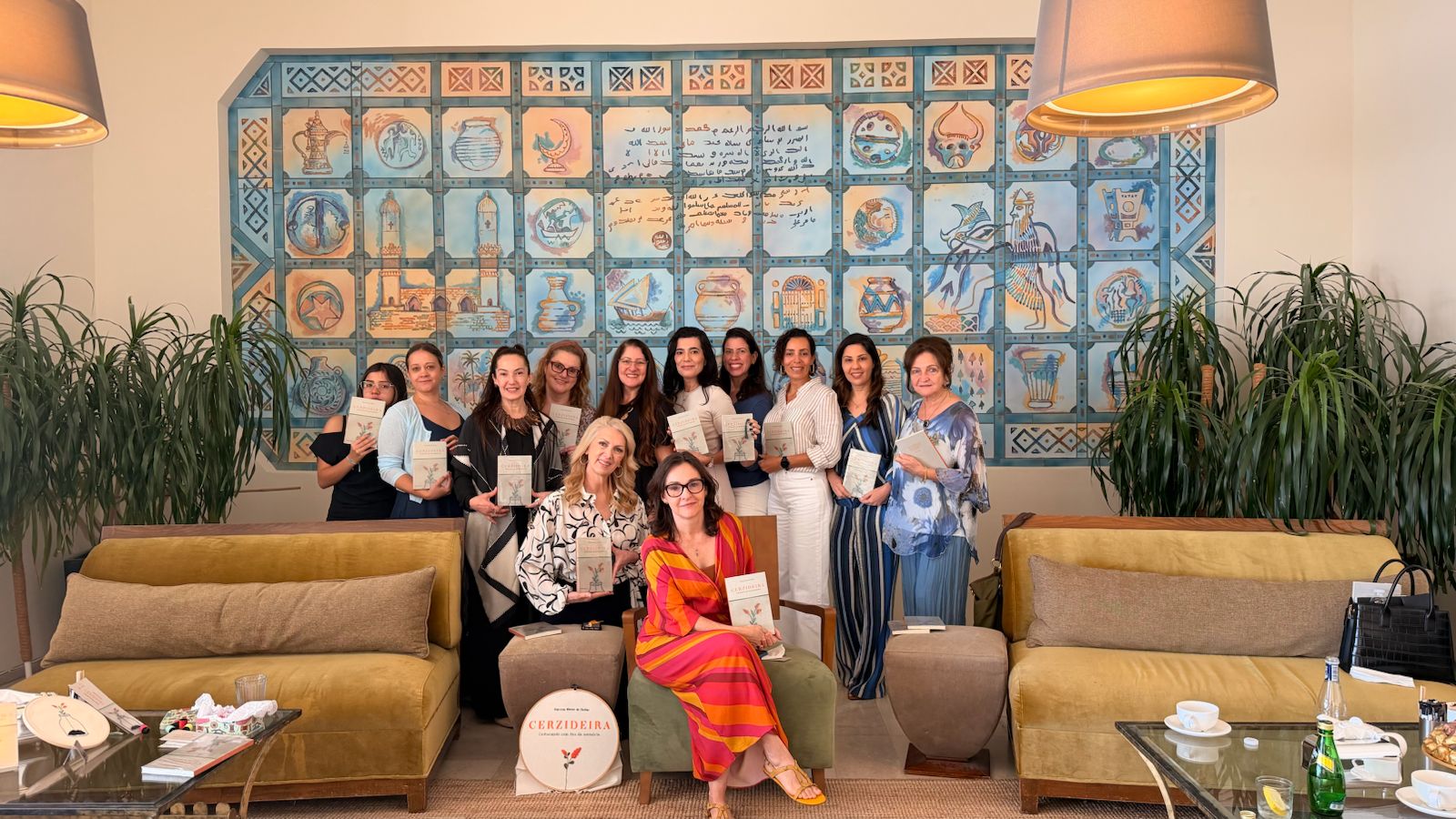
São Paulo – Brazilian journalist Patricia Matos de Farias launched her book, Cerzideira—costurando com fios da memória [Cerzideira—Stitching with Threads of Memory], earlier this month in Manama, Bahrain, where she lives. Published in Brazilian Portuguese, the book explores themes of feminine heritage and identity. The launch took place at the café of the Bahrain National Museum and was aimed at the Brazilian community living in the country. The book had previously been presented to Brazilian audiences in Dubai, United Arab Emirates, and in Rio de Janeiro, Brazil.
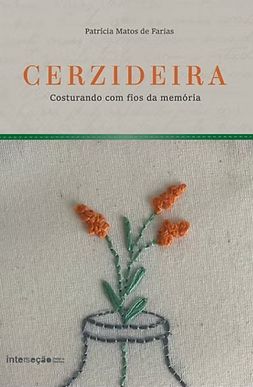
Cerzideira is Farias’ first book. According to her, it is an autobiographical account spanning three generations of women, exploring her experiences and roles as a granddaughter, daughter, woman, and mother. The book’s title serves as a metaphor for a narrative about memory, belonging, and feminine heritage.
“Women who mended fabrics with such delicacy that the repairs became almost invisible,” the author says in her promotional materials, describing the craft of cerzir [Portuguese for darning], from which the book takes its title.
The book is based on the author’s personal research, which included photographs, letters, and diaries that helped her trace her ancestry as part of a journey of self-discovery, according to information released by the author. It also reflects on her experience undergoing cancer treatment.
The book’s title was inspired by old business cards bearing the words “invisible darner,” which Farias’ great-grandmother used to write poems at a time when paper was scarce.
The book was published by Interseção Design de Histórias, with a foreword flap written by chef Roberta Sudbrack. A Brazilian journalist by training, Patricia Matos de Farias later specialized in theological culture after moving to the Middle East. Before settling in Bahrain, she lived in the UAE for 15 years.
Although the book is currently available only in Brazilian Portuguese, the author is seeking opportunities to have it translated and published in Arabic.
“I believe this is an important narrative for Arab women readers to discuss issues of womanhood, memory, and ancestry,” she told ANBA.
The book is available through the publisher’s website and other e-commerce platforms.
Read also:
Egypt: An Arab home to Brazilian books
Translated by Guilherme Miranda

