



Brazilian travelers are undergoing a significant transformation, one that is already reshaping the way they choose destinations, experiences and even how they travel. This is not simply a shift in preferences or a passing trend. Rather, it reflects a deeper evolution in people’s relationship with travel. Increasingly, travel is no longer just a break from everyday life but a meaningful expression of personal values, interests and lifestyles.
Travel has never been just about going somewhere else. But in recent years, that idea has taken on a new dimension. Travel is no longer viewed as a product, but as an experience that creates memories, fosters connections, encourages learning and drives personal transformation.
This shift is evident in the latest edition of Olhar Braztoa 2026, a study that captures the perspectives of Brazil’s leading tour operators on the trends shaping the travel industry. The report shows that Brazilian travelers are increasingly seeking authentic experiences, closer contact with local culture, nature, wellness and experiences that reflect the unique identity of each destination.
For destinations seeking to strengthen their presence in the Brazilian market, such as the Arab countries, understanding this transformation is no longer a competitive advantage but a strategic imperative for developing products, positioning and communications that align with the expectations of this new generation of travelers.
This does not mean that beaches, major cities or traditional destinations have lost their appeal. On the contrary. What has changed is the way travelers want to experience them. They now seek stories, people, flavors and experiences that make each trip unique.
Authenticity has become a competitive edge
Among the strongest trends identified by tour operators are nature tourism, local cuisine, cultural experiences and an appreciation for artisanal products.
Brazilian travelers want to explore traditional markets, learn local recipes, interact with residents, visit small producers and understand the history behind each place. The more authentic the experience, the greater its perceived value tends to be.
This search for authenticity presents a significant opportunity for destinations that have preserved their cultural identity. The Arab countries, for example, offer a rare combination of historical heritage, hospitality, cuisine, architecture, handicrafts and living traditions that align closely with this new profile of traveler demand.
They want to understand the culture that has shaped these destinations.
Accommodation has also become part of the experience
Another important shift observed in the Brazilian market is the changing role of accommodation. Hotels are no longer seen simply as places to sleep. Today, they are an integral part of the travel experience.
Boutique hotels, riads, charming inns, nature-integrated accommodations and properties that showcase local architecture, design and identity are playing an increasingly important role in travelers’ booking decisions.
Travelers seek places that tell a story, offer personalized hospitality and provide an immersive connection with the destination.
This trend particularly benefits destinations whose accommodations reflect their culture, making the stay an integral part of the travel experience.
Luxury means exclusivity, not extravagance
The concept of luxury has also evolved. Increasingly, luxury is no longer associated with excess but with access to exclusive, personalized experiences that are difficult to replicate.
Having dinner prepared by a local family, taking part in a traditional ceremony, exploring a lesser-known region, or enjoying an itinerary designed for small groups can offer far greater value than grand facilities or standardized services.
This trend creates greater opportunities for destinations that can offer distinctive, high-value experiences.
The rise of interest-based travel
The Brazilian travel market is also seeing growing demand for trips organized around groups of people who share common interests.
These itineraries are designed for travelers who share a passion for gastronomy, photography, sports, nature, wellness, history, culture, music, or spirituality.
This trend makes it possible to develop far more targeted products tailored to the interests of specific audiences, creating greater value across the entire tourism value chain.
Opportunities for Arab destinations
The changes in Brazilian travelers’ preferences align naturally with what Arab countries have to offer.
At a time when Brazilian travelers are seeking more authentic, immersive, and transformative journeys, the cultural richness of the Arab world stands out as a genuine advantage. These destinations offer a unique blend of history, heritage, hospitality, cuisine, traditions, craftsmanship, and ways of life that have preserved a distinct identity—providing exactly what today’s travelers are looking for: discovery.
Discovering a culture different from one’s own, walking through ancient cities, experiencing new flavors, learning traditions passed down through generations, admiring landscapes that range from deserts and mountains to oases and coastlines, and experiencing forms of hospitality deeply rooted in local culture transform a trip into something far greater than a sightseeing itinerary. It becomes a truly memorable experience.
At the same time, Brazil and the Arab countries have been drawing increasingly closer. Whether through stronger trade ties, greater cultural exchange, improved connectivity, or a growing interest in international experiences, Brazilians are becoming more curious about destinations that remain relatively undiscovered yet are all the more captivating because they are different, surprising, and authentic.
This may well be one of the greatest strengths of Arab destinations. In a market where many places strive to create a sense of authenticity as a tourism strategy, Arab destinations embody authenticity in their very essence. Their culture, traditions, architecture, cuisine, and landscapes do not need to be adapted to meet the trends of contemporary travel. They already offer, in a genuine way, exactly what Brazilian travelers have come to value.
These destinations offer stories to be lived, connections to be forged, and experiences that remain with travelers long after they return home.
The findings of the Olhar Braztoa report show that tourism is moving toward a model increasingly driven by experiences, human connection, and meaning. For destinations, this represents a strategic opportunity: to recognize that their greatest competitive advantage lies not in resembling other places, but in embracing what makes them unique.
Because in today’s tourism industry, what is truly authentic is also what travelers seek most.
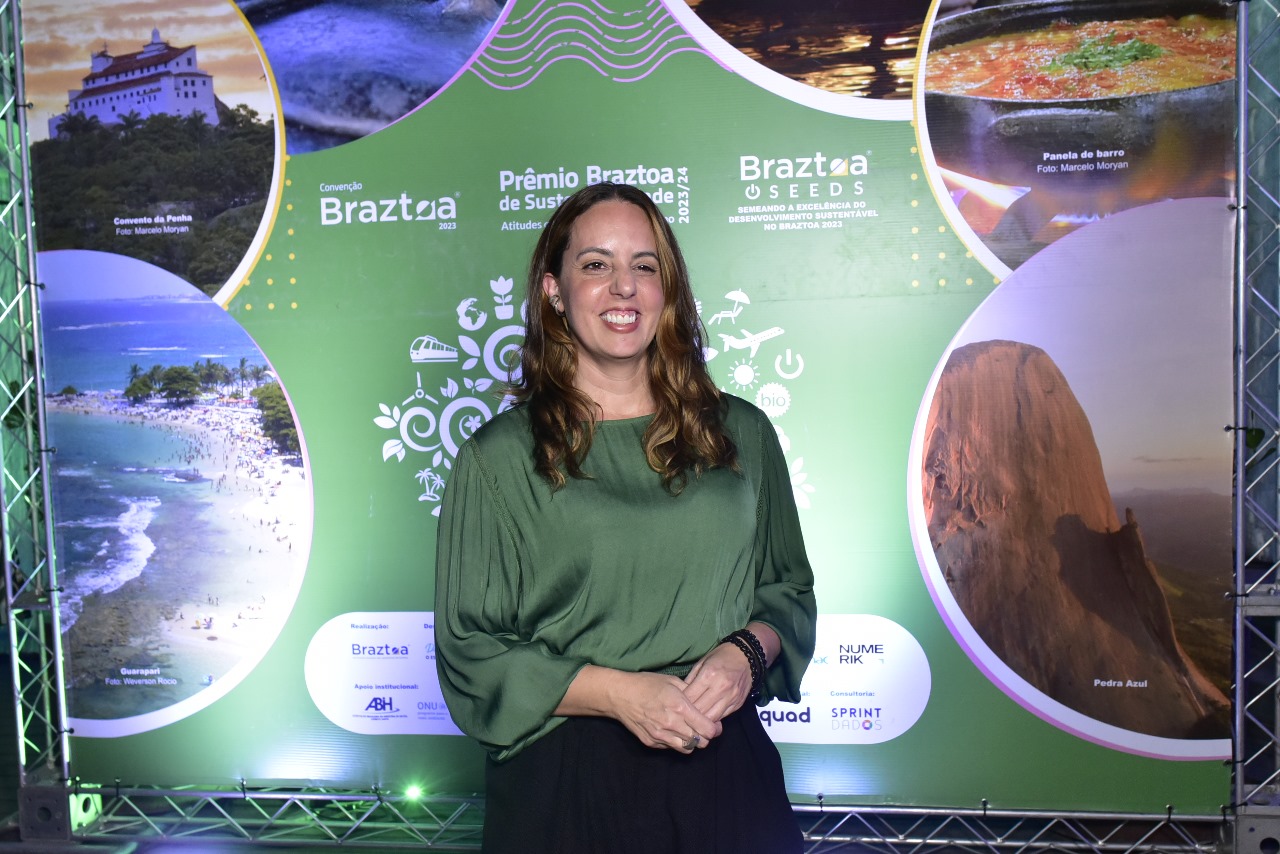
*Marina Figueiredo is Chief Executive Officer of Braztoa
The opinions expressed in opinion articles are those of the authors
Translated by Guilherme Miranda

