



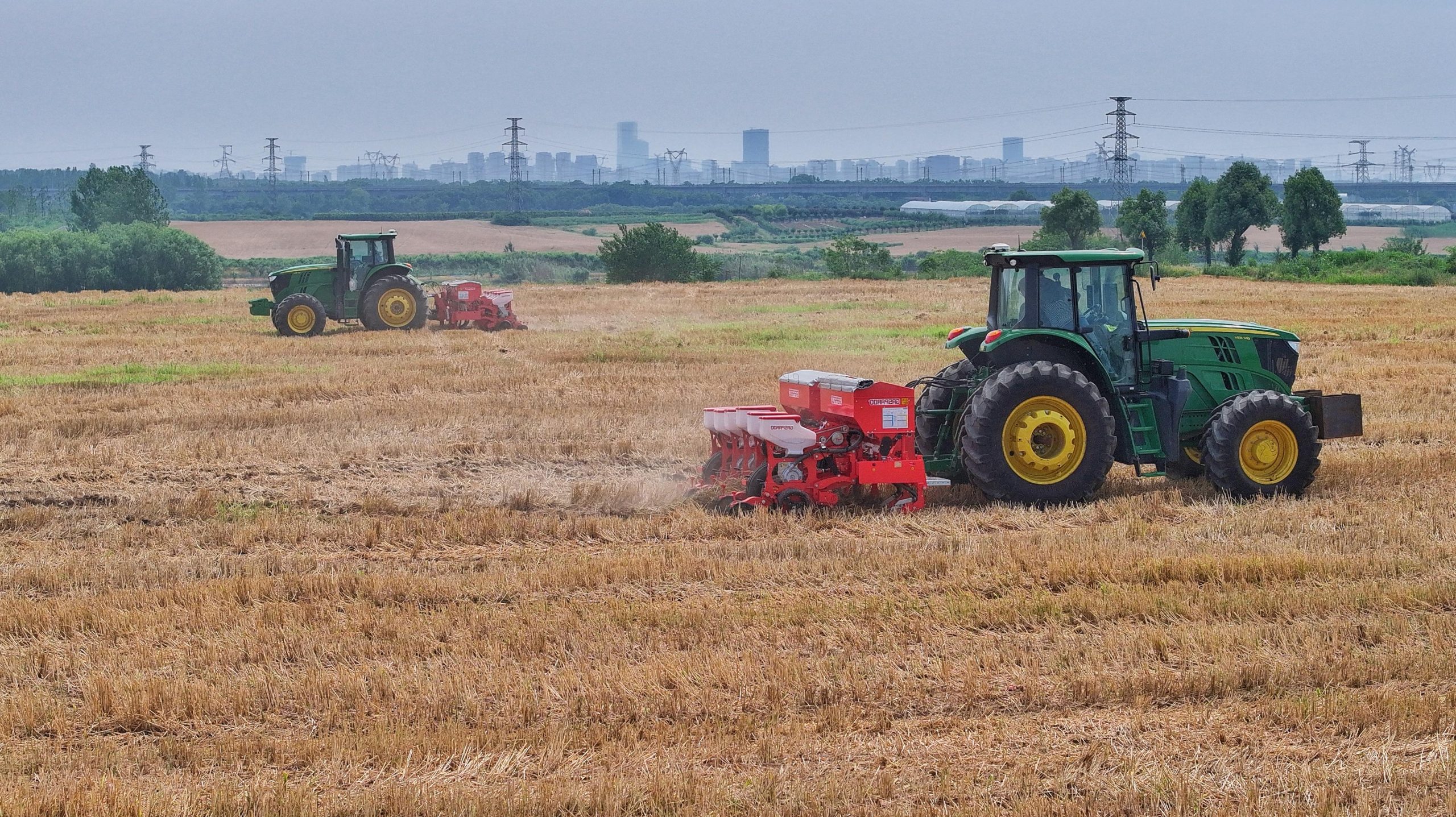
Paris – Global trade in fertilizers crucial to agriculture harvests worldwide have slumped 30% since the start of the year, as the Middle East war sent prices soaring and led several countries to restrict exports, the UN’s Food and Agriculture Organization said Thursday (18).
Many farmers have delayed or forgone purchases as supplies tightened with the effective closure of the Strait of Hormuz, blocking shipments of the raw materials and liquefied natural gas (LNG) used in fertilizer production. At the same time, some of the main producer countries have limited exports to protect their domestic markets.
Prices on average jumped 25% between February and May, according to FAO data released in its biannual Food Outlook report.
As a result, trade volumes fell to 41 million tonnes in the first four months of this year, down from 58 million tonnes in the period last year.
Even if the strait reopens under a deal signed by the US and Iran this week, “recovery across nitrogen, phosphates, and sulfur-linked inputs would be slow and uneven, keeping prices historically elevated,” the FAO warned.
A third of the world’s fertilizer supply passed through the Strait of Hormuz before the war that erupted on February 28, and officials have warned that farmers could face shortages during the summer growing season.
Brazil, one of the world’s largest food producers, depends on imported fertilizers and counts Arab countries among its suppliers.
Reproduction of this content is prohibited
Translated by Guilherme Miranda

