



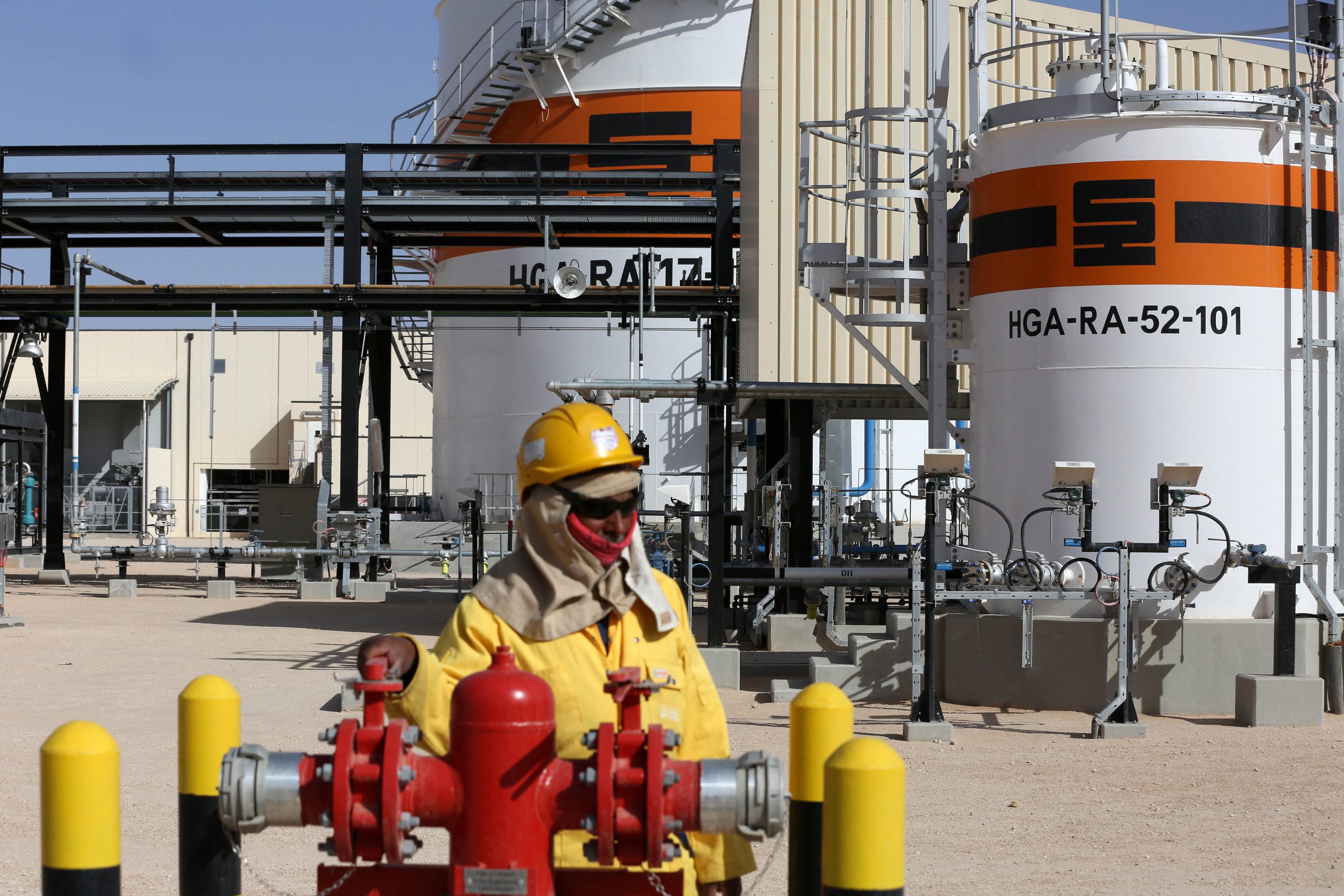
São Paulo – The Algerian government has been making efforts to spur growth and generate income from other sectors of the economy, but it still depends on oil and needs to press ahead with reforms. That is the assessment of a delegation from the International Monetary Fund (IMF), which visited Algiers from June 16 to 30 to review the North African country’s macroeconomic data. According to the IMF, although gross domestic product grew by about 3.9% last year and is expected to expand by 3.8% this year, further structural reforms are still needed.
The IMF delegation said the short-term outlook is “broadly positive,” as higher hydrocarbon prices are expected to boost exports. The current account deficit is projected to narrow, inflation may edge up slightly, and the fiscal deficit is expected to remain high.
“Over the medium term, the mission expects that growth will moderate, while continued high deficits would continue to increase public debt and gradually reduce reserves. The outlook depends on reforms to strengthen fiscal sustainability, diversify the economy, and boost private investment,” the report said. The mission was led by Charalambos Tsangarides.
The diversification and stronger economic momentum advocated by the IMF are expected to support growth in other sectors, but Algeria also needs to reduce the interdependence between state-owned enterprises and public banks and implement structural reforms to promote private sector-led growth.
“Priorities include improving the business climate, leveling the playing field between SOEs and the private sector, reducing trade restrictions and regulatory barriers, enhancing goods and labor markets flexibility, and reducing informality through digitalization and tax-regime reform,” the IMF report said.
The Fund also said Algeria’s geographic location and abundant energy resources could be leveraged to strengthen its role in the energy market, particularly in Europe and Africa.
Read more:
Iraq aims to produce 4.3 million barrels of oil
Translated by Guilherme Miranda

