



São Paulo — The International Monetary Fund (IMF) on Tuesday (13) released revised projections for global economic growth this year and in 2027 in Washington, forecasting slower growth in Brazil and a recession in the Middle East. The fund’s World Economic Outlook (WEO) report projects Brazil’s gross domestic product (GDP) to grow 2.2% this year, down from the 2.4% forecast in July. For 2027, GDP growth is projected at 1.9%, compared with 2.2% in July.
The fund attributed its revised forecast for the Brazilian economy to tight monetary policy aimed at bringing inflation to the midpoint of the target range, the withdrawal of fiscal policy support from the government, and global uncertainties. Brazil’s benchmark interest rate stands at 13.75% a year, one of the highest in the world.
For the Middle East and Central Asia, which includes both Arab and non-Arab countries, the IMF forecasts a 0.3% contraction this year and growth of 6.3% in 2027. Its previous projections were for growth of 0.7% this year and 6.5% in 2027. The closure of the Strait of Hormuz is cited as the main reason for the downgrade to the region’s economic outlook.
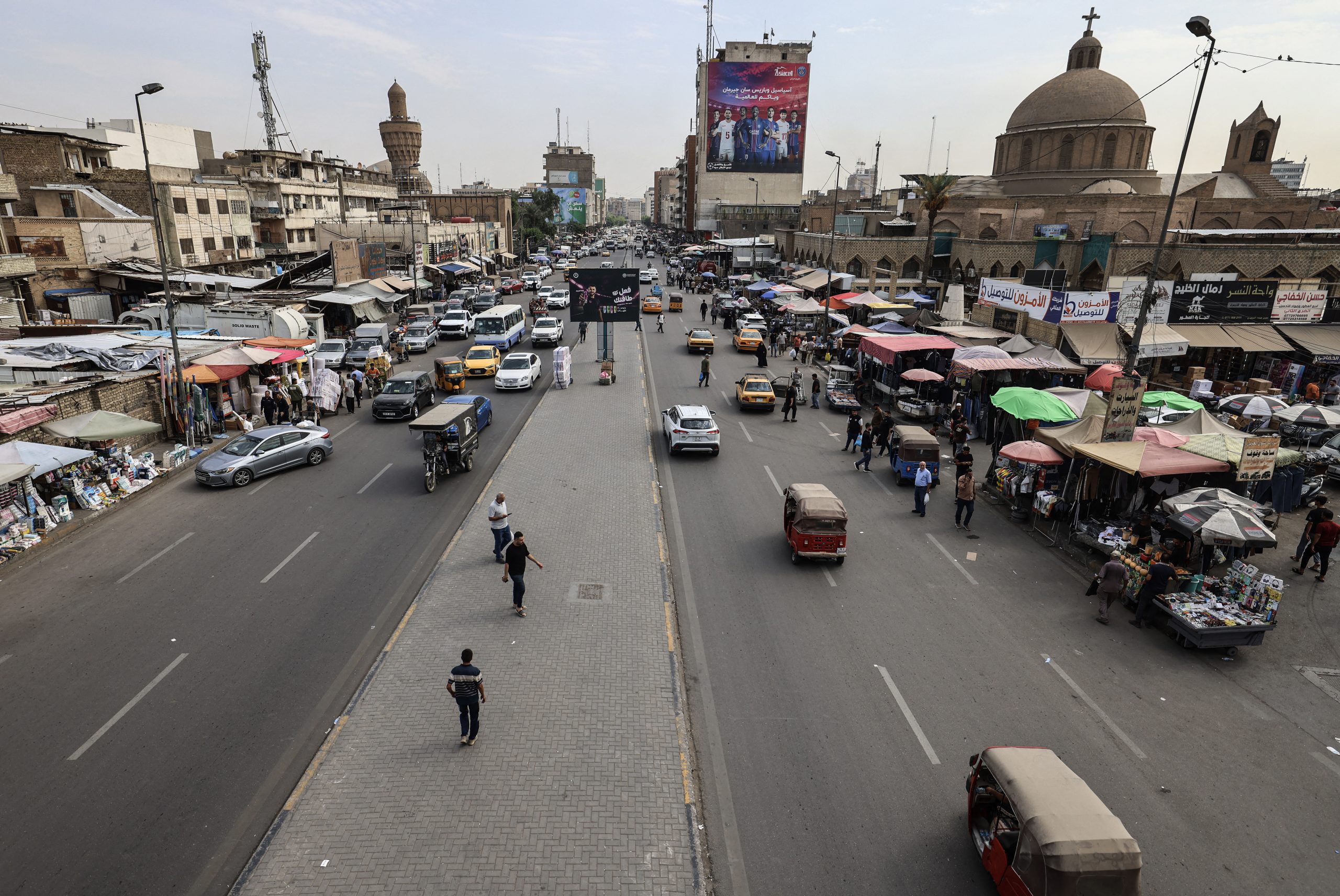
Bahrain, Iraq, Kuwait and Qatar are expected to be the hardest-hit countries due to disruptions to oil production and exports, according to the fund. The IMF forecasts “double-digit” economic contractions in these countries this year, followed by similarly strong recoveries in 2027 as production, logistics and exports return to normal.
The fund also revised its global economic outlook, projecting growth of 3.1% this year, up from its previous forecast of 3%, and 3.4% in 2027, unchanged from its July estimate. The IMF says two major forces—geopolitics and technology—are shaping economic performance. Their short-term effects are gradually becoming apparent, but their long-term implications remain largely unknown.
“Technology is most recently playing out as a positive demand shock powered by investment in AI and related hardware and infrastructure. Trade flows show this most strikingly,” the fund said.
Read more:
IMF: Near-term challenges weigh on Somalia’s GDP
Translated by Guilherme Miranda