



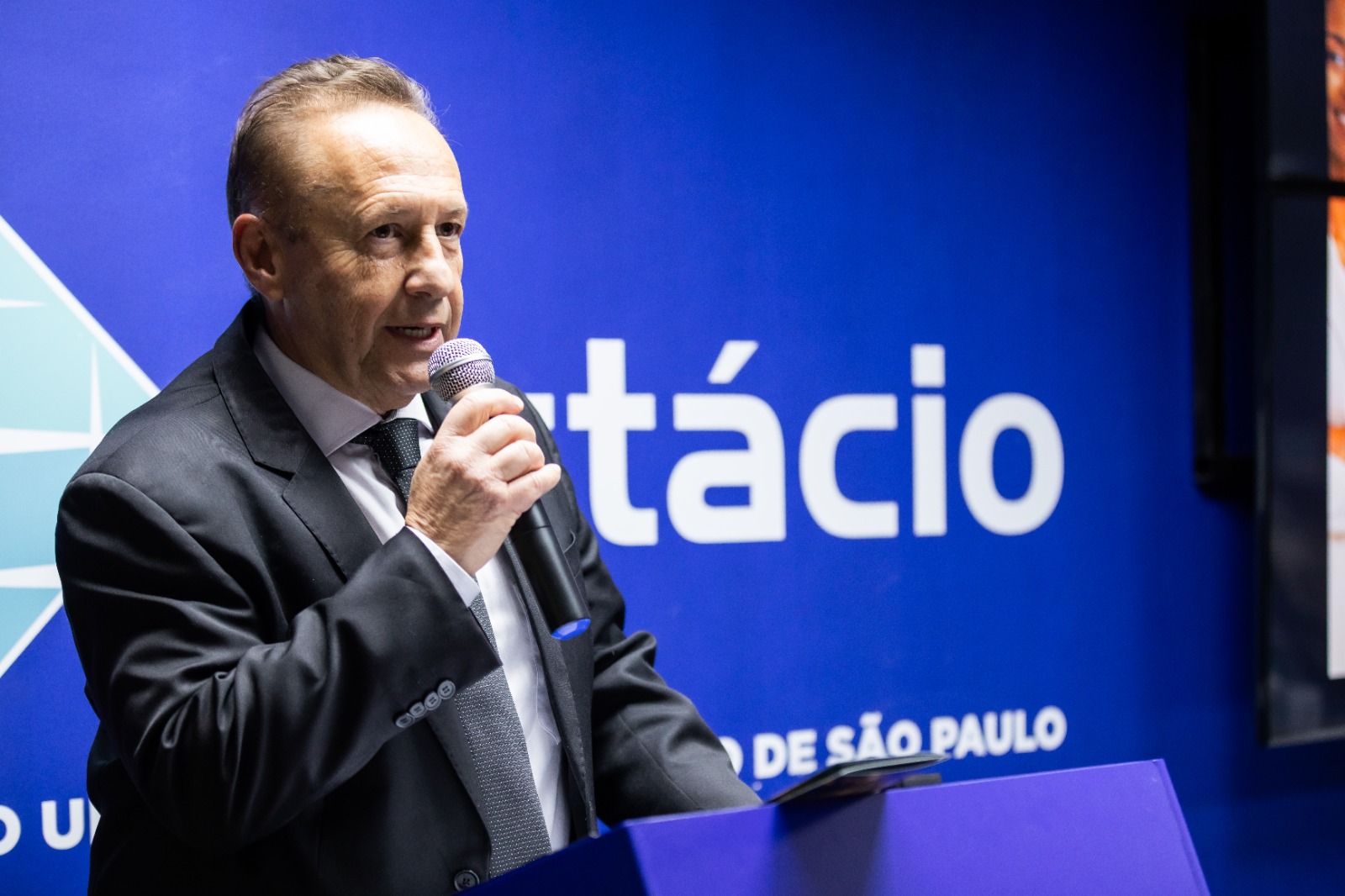
São Paulo – Brazil’s job market will soon have postgraduate professionals trained in halal standards. Classes for the MBA in Halal – Standards and Market and Business Development, offered by Estácio University São Paulo and the International Halal Academy (IHA), will begin in August. Enrollment is now open for the lato sensu postgraduate program, which will run for three semesters, or 18 months, with the first class graduating at the end of 2027 with degrees recognized by Brazil’s Ministry of Education.
Halal means “permissible” and refers to products and services made in accordance with Islamic principles. Food products, for example, must be free of alcohol and pork, among other guidelines that underpin and drive a market of nearly 2 billion Muslims worldwide. According to the program’s deputy coordinator and executive director and secretary-general of the International Halal Academy, Delduque Martins—who also serves as Director of Projects and Institutional Relations at halal certifier FAMBRAS Halal, a strategic partner of both the program and the IHA—the Halal MBA will be the first of its kind in Latin America.
The MBA will be divided into three modules. The first will focus on fundamentals and regulatory frameworks, covering topics such as global standards and regulations, conformity assessment, quality management, and cultural and Islamic issues.
The second module will focus on operations, production, and compliance, including industry and service requirements, internal and international audits, traceability, logistics, and supply chain management.
The third module will address commercial strategies and Islamic finance, covering investments, consumer behavior, marketing, international trade, as well as monitoring and regulatory oversight.
At the end of the second semester, students will be eligible to take an optional in-person international module in Egypt. The program will consist of ten days of classes, totaling 40 hours, at the College of International Transport and Logistics in Alexandria, with joint certification from Estácio University, the IHA, and the Egyptian institution.
According to Martins, the module will focus on logistics. “We really want students to gain international exposure to all these halal logistics fundamentals and principles,” he said, adding that, in addition to classroom instruction, participants in Egypt will take part in technical visits and have the opportunity to experience the local culture.
The MBA aims to serve a professional market that includes senior executives, managers, and professionals across a wide range of fields, such as production, procurement, sales, marketing, logistics, finance, administration, regulation, food engineering, agribusiness, veterinary science, and others.
Martins believes there will be strong demand for both the program and its graduates, not only within companies but also in consulting firms, institutions, the public sector, auditing organizations, and even universities for research activities.
The MBA will be offered remotely, with live online classes held at scheduled times, bringing professors and students together in a virtual classroom. Of the five courses in each module, only one will be pre-recorded and available for students to complete at their own pace.
Class sizes will be limited to a maximum of 40 students, allowing for greater interaction among participants.
The faculty will be composed primarily of Brazilian instructors. In cases where foreign lecturers do not speak Portuguese, classes will be translated. According to Martins, each course will be taught by two instructors: one with a more academic background—a master’s or doctoral degree holder from Estácio University—and another who is a specialist in the specific market or subject covered.
The program will also feature an unusual coordination structure, with a deputy coordinator (Delduque Martins) and an honorary coordinator (Ali Zoghbi, vice president of FAMBRAS Halal), in addition to an academic coordinator, who has yet to be appointed.
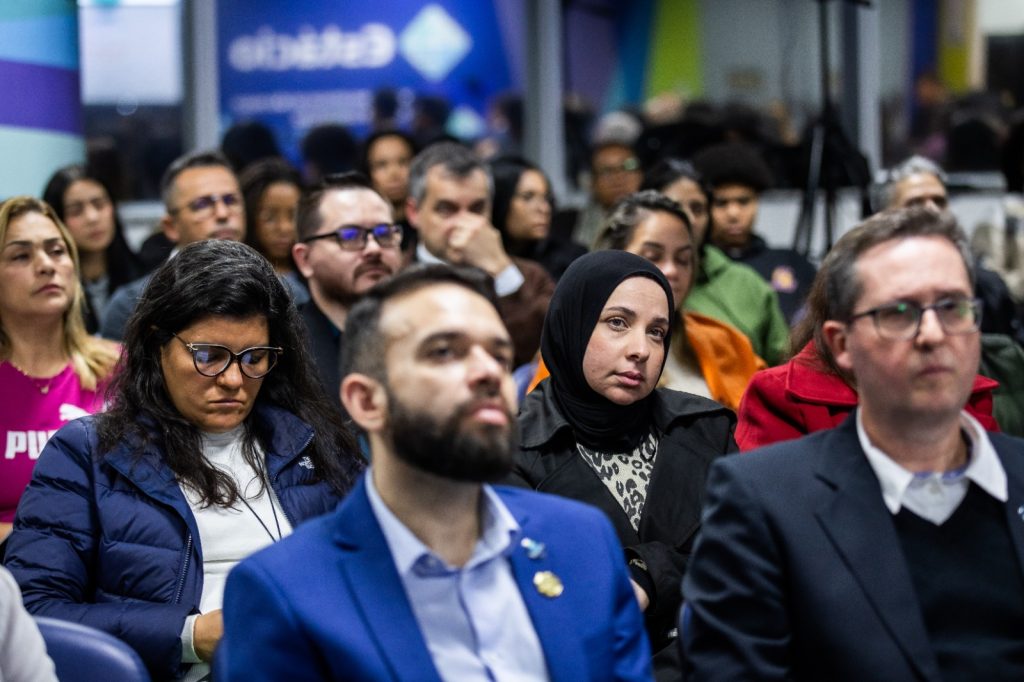
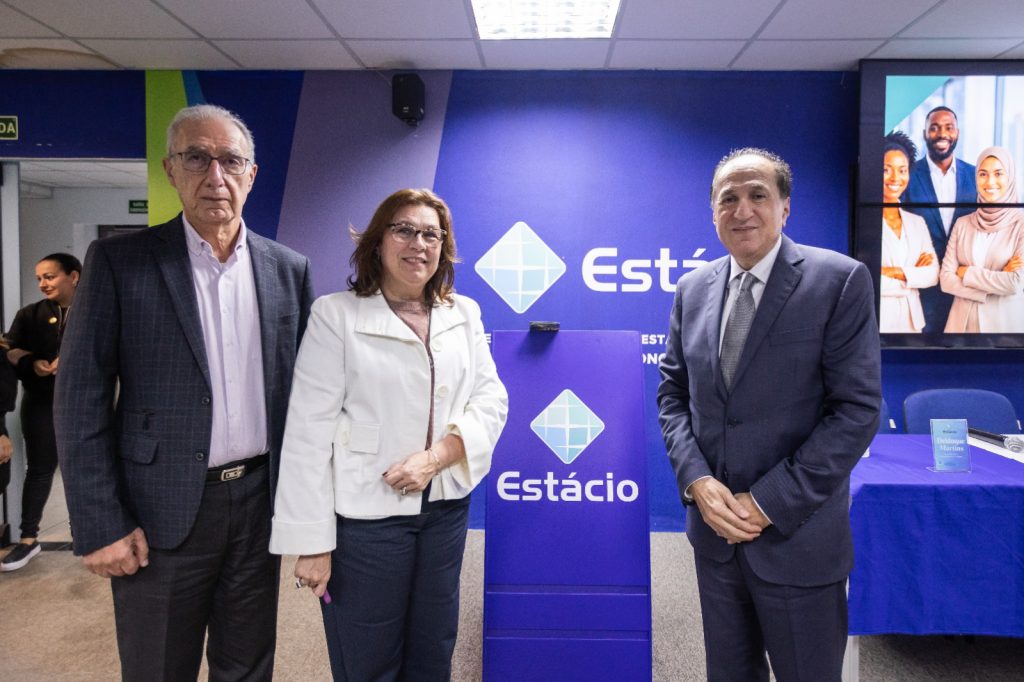
On Tuesday evening (16), the MBA was officially launched at the auditorium of Estácio University’s Conceição Campus, in the Jabaquara district of São Paulo. Among the attendees were Arab-Brazilian Chamber of Commerce (ABCC) Institutional Relations Director Alessandra Frisso, representing the organization, and former Arab Chamber president and Honorary Consul of Tunisia in Brazil, Rubens Hannun.
“This MBA comes at a time of great opportunity for Brazil. The country is already recognized as an important supplier to Arab and Muslim markets, but there’s still significant room to expand into higher value-added products and services. By training professionals who understand halal requirements, the program helps Brazilian companies sell more effectively, with greater confidence and credibility, to a growing global market,” Frisso told ANBA.
She believes the program opens doors for young professionals in a promising and still underexplored segment. “It is an initiative that brings together education, business, and the future,” she said.
Tuition fees and more information about the MBA are available here.
Translated by Guilherme Miranda
