


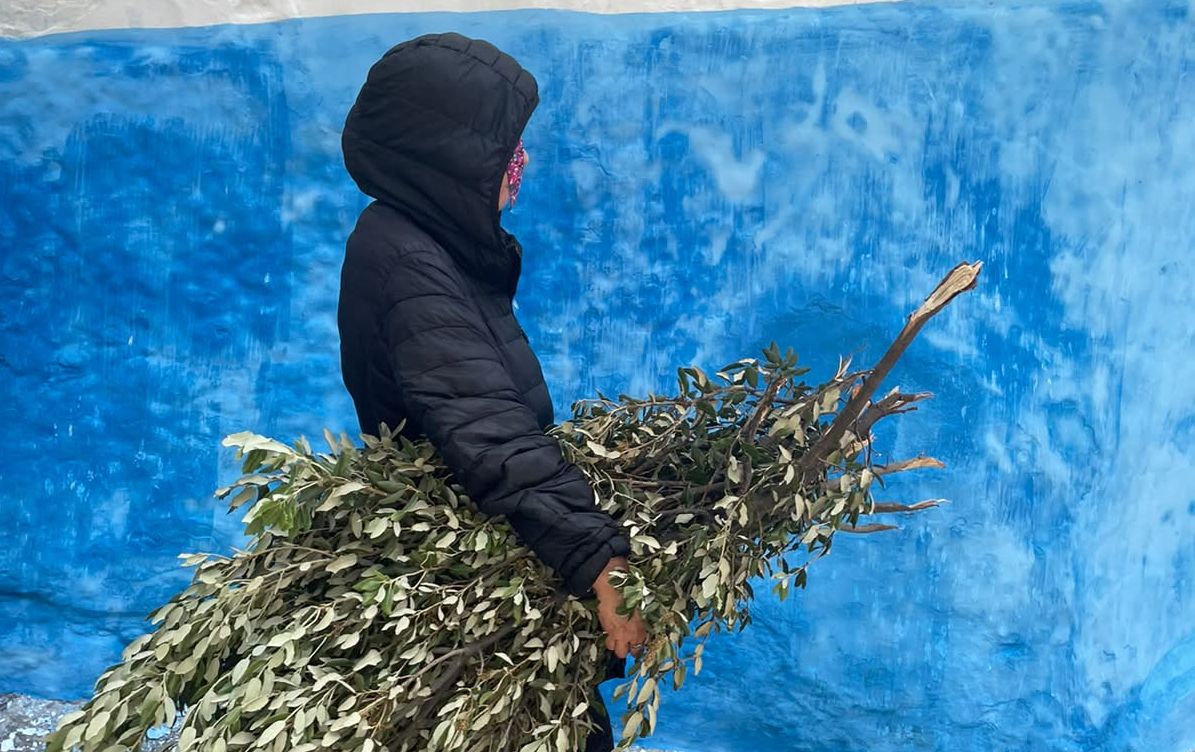
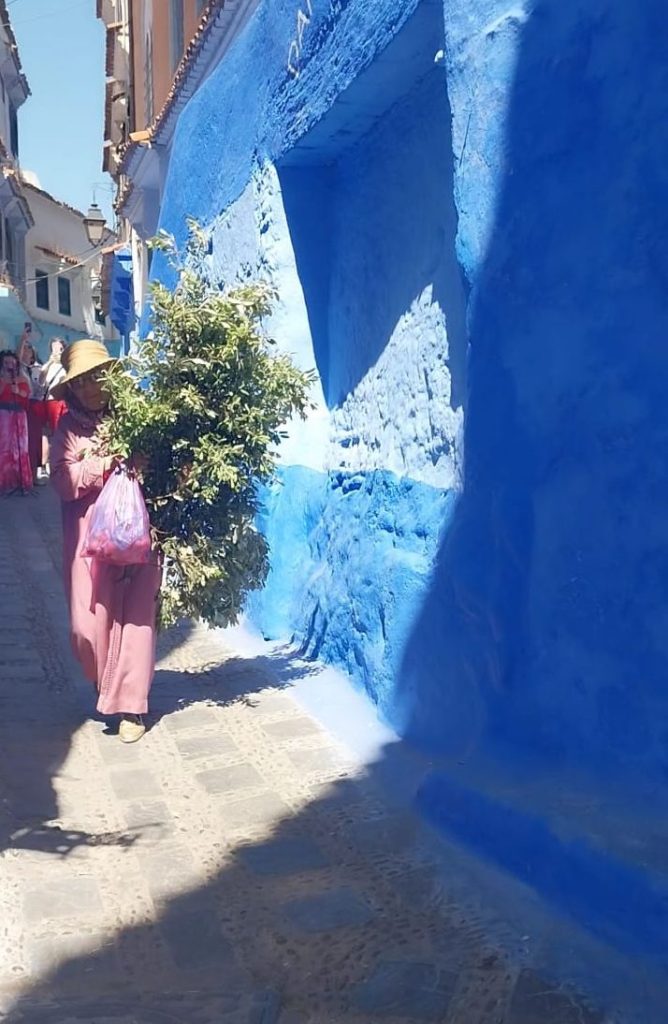
Chefchaouen – On a late May evening, while walking along a street in Tetouan, Morocco, it was possible to see groups of men offering sheep for sale. Families would arrive, choose an animal, and take it home. The following day, a similar scene unfolded in the narrow streets of Chefchaouen, also in Morocco. People walked by leading sheep they had already purchased, while others carried olive branches and various types of vegetation in their arms. The country was preparing for Eid al-Adha, the Arabic term for the Festival of Sacrifice, one of the most important holidays in Islam.
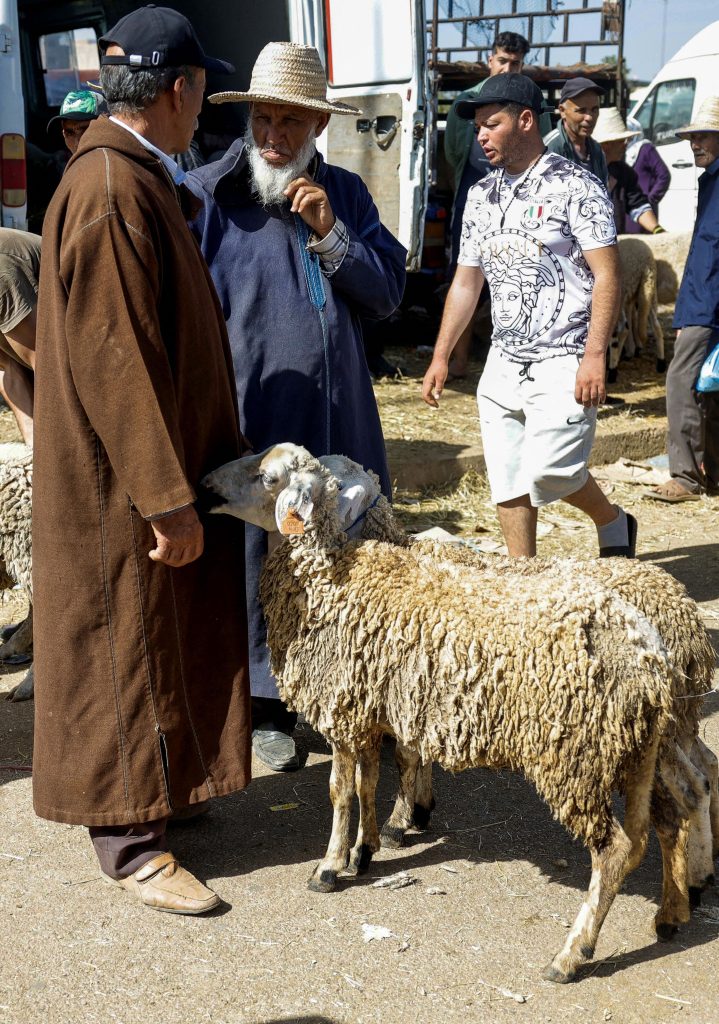
This bustle usually precedes the day when Muslims in Islamic countries commemorate the sacrifice of a sheep by the Prophet Abraham. Islam calls on the faithful to do the same, reenacting the act performed by one of its greatest prophets as a sign of faith and submission to God. Since the sacrifice is traditionally carried out at home, families gather green branches to feed the sheep until the ritual takes place. Islamic countries typically declare public holidays lasting two, three, four, or even more days for the occasion. In Morocco, this year’s holiday ran from May 27 to 29, preceded by widespread anticipation.
Explaining the Festival of Sacrifice to ANBA, Sheikh Ali Momade, religious leader of Brazilian halal certifier FAMBRAS Halal, said that Abraham received a command from God to sacrifice his son.
“At the time, Abraham had only one son and needed him to continue the work of preaching and the prophetic mission he was carrying out. Abraham was already elderly, and since Ishmael was his firstborn, God wanted to test Abraham’s faith and steadfastness,” he explained.
According to Momade, Abraham decided to carry out the sacrifice after receiving a second divine message in a dream. “From that moment on, he understood it was a command from God and that he needed to obey it,” he said, describing the Islamic teaching.
At the moment of the sacrifice, however, the Angel Gabriel appeared with a sheep so that the animal could be sacrificed in place of Abraham’s son. Muslims therefore reenact the act beginning on the 10th day of Dhu al-Hijjah, the last month of the Islamic calendar, which is also the period of the Hajj, Islam’s greatest pilgrimage, held in the holy city of Mecca, Saudi Arabia.
“First, the sacrifice must be made in the name of God, in the name of Allah. Second, it must be shared, meaning divided into three parts: one for the person making the sacrifice, a second for relatives, and a third for those in need,” the sheikh explained regarding the sheep’s meat.
According to him, in Islam, the redistribution of wealth—symbolized during Eid al-Adha by the sharing of meat—is a way of expressing gratitude to God, especially for those who enjoy good financial and social circumstances.
In Morocco this year, there was also an effort to share the Eid al-Adha experience with foreigners visiting the country. At the Dar Ba Sidi & Spa Hotel in Chefchaouen, guests were able to witness the sheep sacrifice, and the meat was shared at the property. A local television channel reported on the initiative as an opportunity to showcase Morocco’s culture and values to foreign visitors, as well as the tourism sector’s engagement with the holiday.
But unlike the days leading up to Eid al-Adha, which are marked by busy preparations, Moroccan cities take on a different atmosphere on the day of the sacrifice. Public spaces become quiet and largely deserted, while many businesses remain closed. Sheikh Momade explains that the day begins with a morning prayer, after which people carry out the animal sacrifice. The celebration continues through the 13th day of Dhu al-Hijjah.
“These are days during which Islam encourages Muslims to intensify their prayers, praises, and glorification of God, as well as their charitable acts,” he says. He adds that the period is also an opportunity to spend time with family and strengthen family and kinship ties.
The sheikh says that Eid al-Adha is the only time of year when all five pillars of Islam can be observed together. Fasting, the fourth pillar, is recommended for Muslims during the first ten days of the month of Hajj. The other pillars are the declaration of faith (the first), prayer (the second), charity (the third), and pilgrimage (the fifth). Islam requires every adult Muslim who is physically and financially able to perform the Hajj at least once in their lifetime.
On a bus carrying tourists to the airport in Casablanca on May 28, the second day of Eid al-Adha, the driver shared that he had sacrificed his sheep the day before. He was also pleased that Mohammed VI had extended the holiday for Moroccans.
Whether through the intense movement of sheep in the days leading up to the celebration or the urban silence that follows, being in a Muslim country during a religious holiday offers a unique way to experience the destination and gain a deeper understanding of how people live there.
Read also:
Royal Air Maroc confirms flights to Rio de Janeiro
The journalist traveled at the invitation of Royal Air Maroc, Dar Ba Sidi & Spa, and Alizés agency
Translated by Guilherme Miranda
