

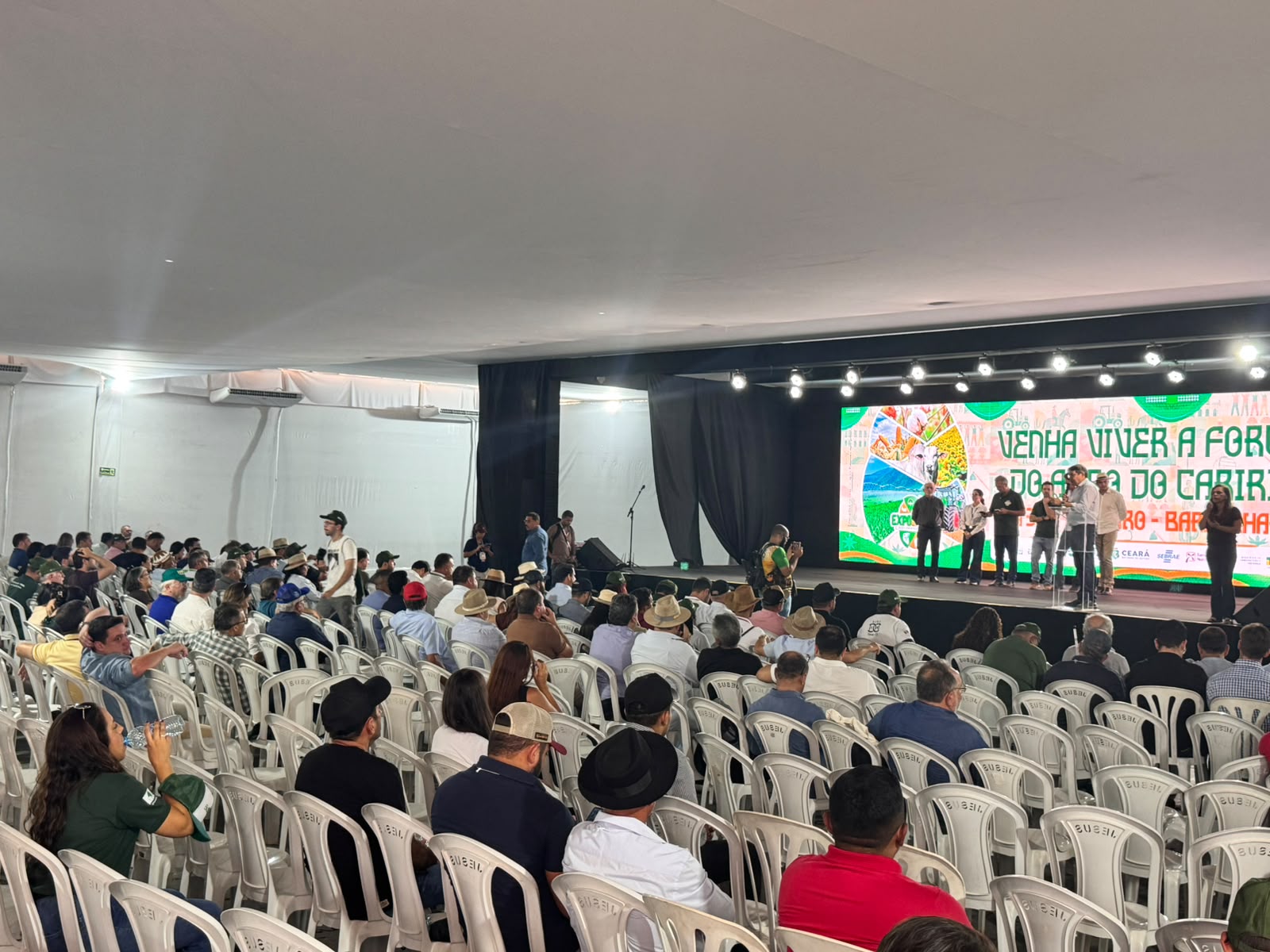
São Paulo – Arab countries imported USD 1.088 billion worth of sheep meat last year. Imports of lamb, which comes from young sheep, totaled USD 451.5 million. Imports of goat meat amounted to USD 151.1 million. These figures were presented on Thursday (29) by Fernanda Baltazar, Institutional Relations Director at the Arab-Brazilian Chamber of Commerce (ABCC), to participants at ExpoCariri, a trade fair held in Barbalha in Brazil’s Ceará state, from October 29 to 31.
Baltazar spoke at the “Agribusiness Export Caravan: Northeastern Roots, Global Markets,” held as part of the trade fair, which brought together farmers, cooperatives, agribusinesses and institutions involved in the production, processing and foreign trade of agricultural products. At the event, experts discussed export opportunities for goat and sheep meat and live animals to North Africa and the Gulf.
In addition to presenting market data on sheep and goats in Arab countries, compiled by the ABCC’s Market Intelligence Department, Baltazar outlined the institution’s services and how it can help companies in the sector build business ties with Arab markets.
Baltazar provided an overview of the Arab world, comprising 22 countries and 493 million people, and noted that the region ranks as the world’s fourth-largest importer and fourth-largest exporter. She also discussed the current level of trade between Brazil and Arab countries, which totaled USD 21.3 billion in Brazilian exports to the region last year and USD 9.9 billion in imports in the opposite direction.
In presenting data on the Arab market for sheep and goat meat, the director also highlighted Brazil’s limited role as a supplier. According to the survey, Brazil supplied just USD 4,100 worth of sheep meat in 2025. Figures for lamb and goat meat were even lower. Arab countries, however, have been increasing their imports in this sector. Australia is a major supplier.
Brazilian meat
The presentations covered a range of topics, including technical data on internationalization strategies, sanitary requirements, halal certification (a seal indicating that a product complies with Islamic requirements and may be consumed by Muslims), export readiness, trade promotion, and the characteristics of Arab and Gulf markets. The organizers said the caravan was held amid growing interest in Brazilian meat across the region.
The caravan was organized by Brazil’s Ministry of Agriculture and Livestock and Embrapa, Brazil’s leading agricultural research institute, in partnership with Ceará state agriculture federation and National Rural Learning Service (FAEC/Senar), the Barbalha City Hall, and Sebrae, which promotes the competitiveness of small businesses. Other participants included the Brazil’s National Confederation of Agriculture and Livestock (CNA), the government’s trade and investment agency ApexBrasil, and Brazilian agricultural attachés in Arab countries, among others.
