



São Paulo – The Latin American fruit market, particularly Brazil’s, has attracted companies from Egypt and Morocco to the industry fair Fruit Attraction. The event is being held at the São Paulo Expo & Convention Center in São Paulo from this Tuesday (24) through next Thursday (26).
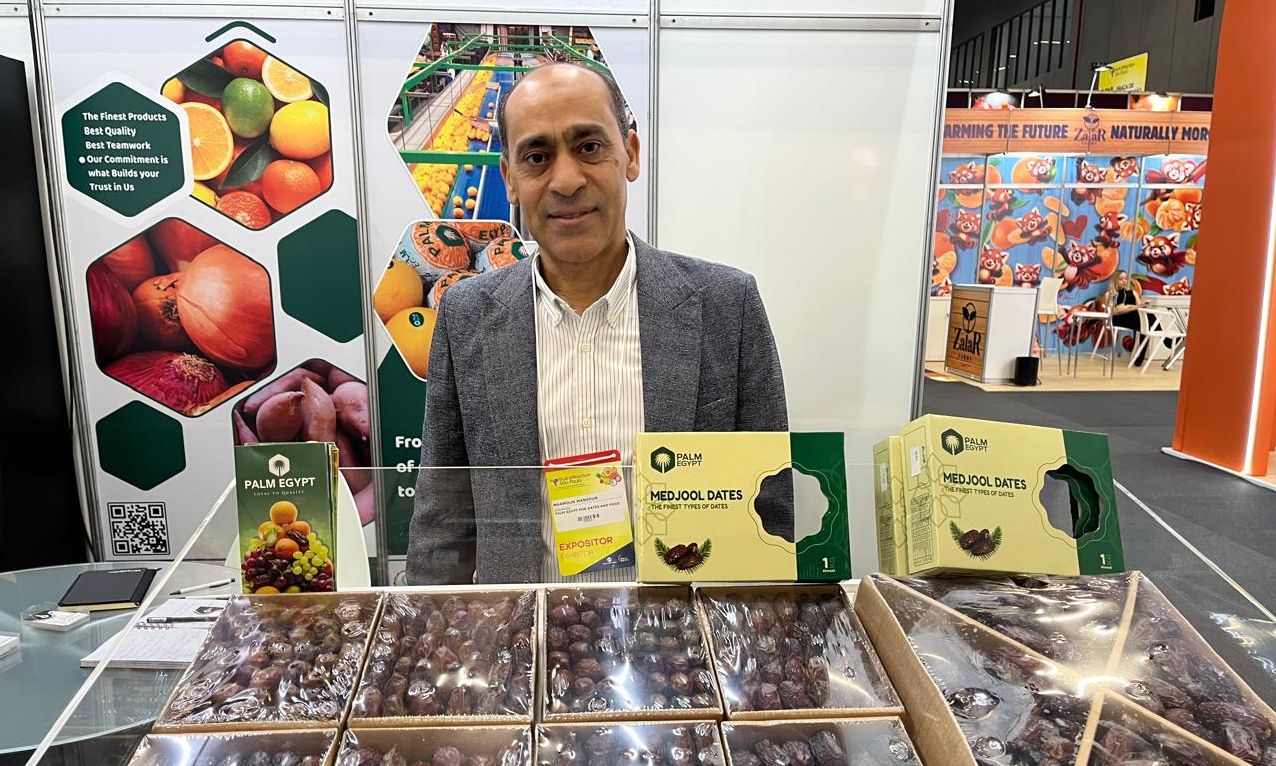
Egypt organized its own pavilion with 15 booths. One of the participants is Palm Egypt’s general manager, Maamoun Mansour. In its first participation at the event, Palm Egypt came to showcase the company’s fruits, including its flagship product: dates. Based in Menoufia, north of Cairo, the company oversees its entire production process, from cultivation to shipment.
“I’m in São Paulo for the first time. We see Brazil as the largest business environment in Latin America. I came to explore cooperation opportunities, especially in the dates market,” he said.
Palm Egypt exports 800 metric tons per year to destinations such as Turkey, Kazakhstan, Russia, Germany, Spain, France, and Canada. “Global consumption of dates is diversifying and growing, and we see Brazil as a very promising market,” Mansour told ANBA.
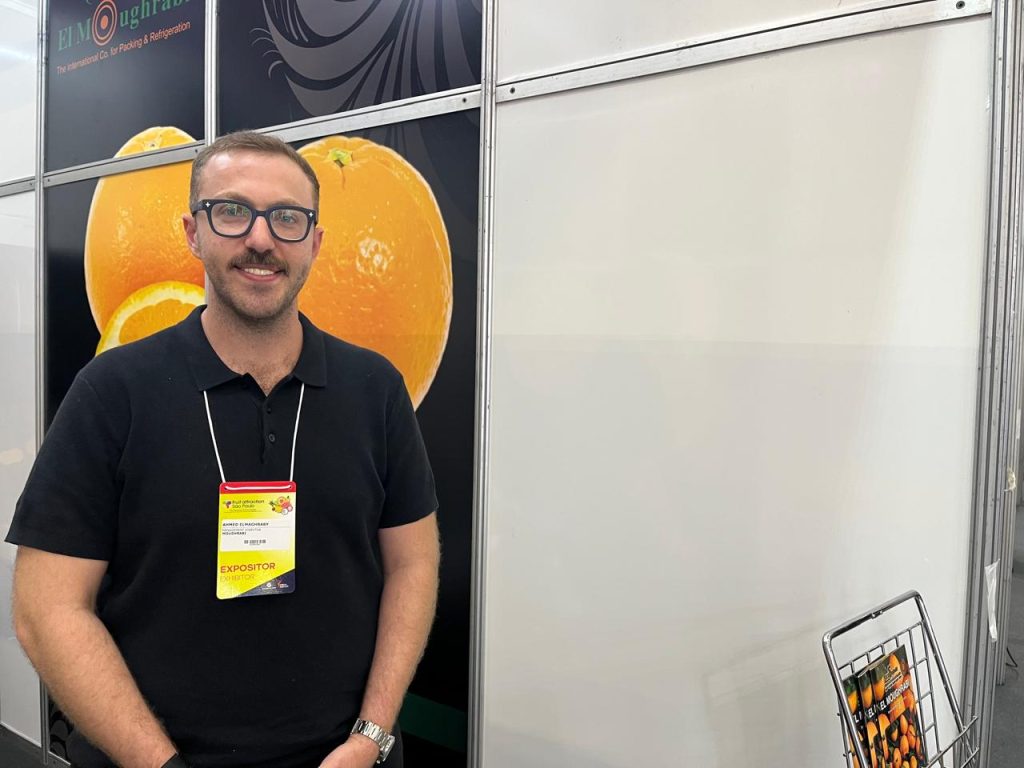
El Moughrabi’s general manager, Ahmed El Maghraby, said the Egyptian company is participating in the fair for the second time. The first was in 2025. The company already exports to Brazil, with shipments doubling each year, but volumes are still small compared to those sent to Asia and Europe.
“We want to expand our market in Latin America, especially in Brazil,” he said, noting that the country still has a “niche” level of consumption. Events like the fair, however, are opportunities to find more potential buyers for its oranges, tangerines, and lemons, El Maghraby said.
Citrus fruits are also the focus of Egypt’s Daltex. Regional commercial manager Randa El Gabry said the company attended Fruit Attraction in its first edition, in 2024, and began exhibiting the following year. It has already closed deals in Brazil and has clients across the country.
“Brazil is a large market for citrus, especially due to last year’s issues. We want to supply the domestic market during the off-season: when the harvest ends here, it begins in Egypt, and we can export here,” she said.
El Gabry and El Maghrabi cited the decline in Brazilian production as an opportunity to meet local demand. In recent years, citrus crops in Brazil have been affected by the pest known as greening. Alongside dry weather and other diseases, it has led to lower productivity.
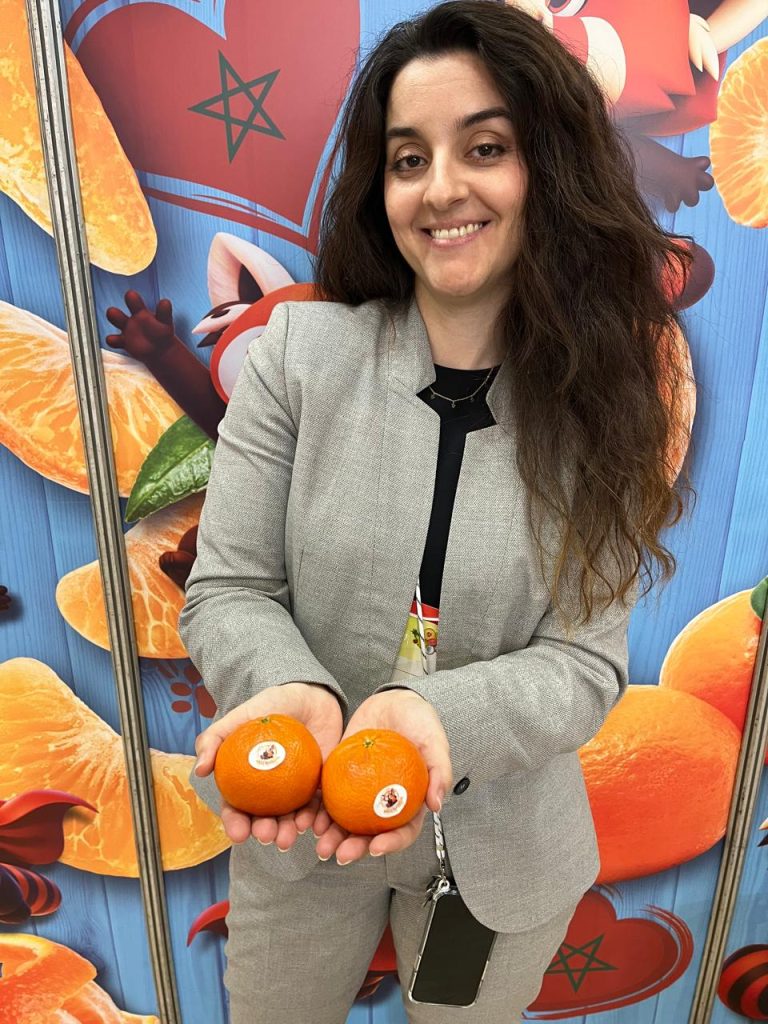
From Moroccan company Zalar Farms, Commercial and Logistics Director Imane Rincon Sanchez came to Brazil to seek more clients for the tangerines the company began selling to the country last year. In Brazil, she said, the fruit is still seen as a premium product. “The Brazilian market has enormous potential,” she said. The company exports to Brazil, on average, one container per week between mid-January and mid-April—the harvest period in Morocco—but the executive believes it is possible to increase this to five containers per week between January and April.
El Maghraby said the conflict in the Middle East has not yet affected routes from North Africa to Brazil, but it is reflected in higher insurance costs charged by shipping companies and in a shortage of containers, as many of these units are stuck in Middle Eastern ports.
Read more:
Project presents Brazil’s fruits to importers
Translated by Guilherme Miranda
