



São Paulo — The global economy has weathered the energy supply shock triggered by the conflict in the Middle East better than expected, according to the OECD’s Economic Outlook 2026 report released Tuesday (23). The organization projects global economic growth of 2.9% in 2026 and 3.0% in 2027 but warns that the evolution of the conflict in the Middle East remains highly uncertain and poses risks to the projections.
According to the OECD, the impact related to oil was mitigated by greater use of alternative supply routes, lower inventories, increased production outside the Gulf and weaker demand, particularly from China. But the organization says more persistent disruptions to energy exports from the Middle East, or weather-related supply shocks, could affect global growth.
Among the major economies, the OECD projects U.S. gross domestic product growth of 2.2% this year and 2.1% next year. For the euro area, estimated growth is 1% in both years, while China’s economy is expected to grow 4.5% in 2026 and 4.2% in 2027. Saudi Arabia, the largest Arab economy, is expected to contract 1.8% this year but grow 4.1% in 2027, according to the OECD. Brazil is projected to grow 2% this year and 1.9% next year.
Globally, the organization says persistent inflationary pressures and uncertainty continue to weigh on the short-term outlook. Inflation in the G20 economies is projected to be 4.1% in 2026 and 3.6% in 2027. According to the OECD, risks remain tilted to the downside, with rising long-term sovereign bond yields intensifying fiscal pressures on governments, rapid investment in AI increasing demand for external financing, and weather events potentially worsening existing pressures on commodity prices and driving up food prices.
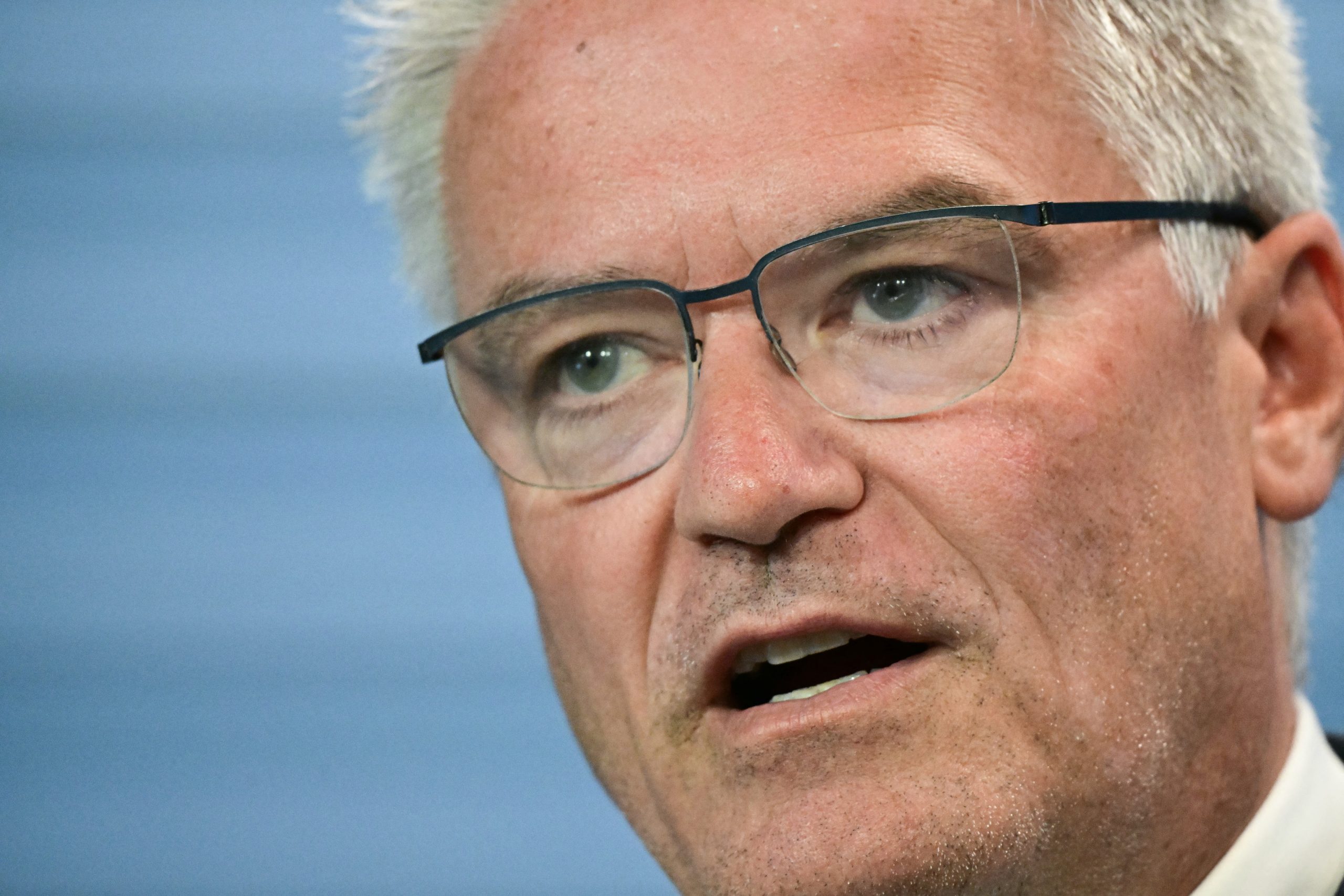
“Global growth has held up better than expected, but the buffers that absorbed the energy shock are being depleted. Growth is weaker than last year and inflation is rising again,” OECD Secretary-General Mathias Cormann said in a statement.
According to him, governments need to target support where it is most needed, put public spending on a sustainable path and build the foundations for long-term growth, with stronger skills, more diversified energy sources and faster adoption of artificial intelligence.
Read also:
Qatar advances in education, OECD finds
Translated by Guilherme Miranda

